Every time you interact with a seamless interface or benefit from an automated business process, you are witnessing the output of a specific, elite discipline. Software developers are the modern architects of our reality, but they do far more than just write code. They translate complex human problems into scalable, digital solutions.
In 2026, the lines of code powering your enterprise are the most valuable assets you own. From the algorithms that predict market shifts to the secure architectures protecting your data, the work of history’s most influential developers has set the blueprint for how we conduct business today. I believe that understanding the legacy of these innovators is the key to predicting where technology will go next. Today, I am diving into the stories of the visionaries who didn’t just build apps, but redefined the global economy through logic and execution.
Tracing Software Innovation Through the Ages
The history of software development is a fascinating journey, reaching back far beyond the sleek devices we hold today. Let’s explore the groundbreaking innovations that paved the way for the modern marvels we use every day.

The Seeds of Automation (3rd Century BC – 19th Century AD)
- Ancient Beginnings: Automation’s roots trace back to early water clocks of the Hellenistic period and programmable weaving looms from the Islamic Golden Age. These devices set the stage for machines that perform predefined tasks.
- The Analytical Engine (1842): Charles Babbage’s Analytical Engine, though never fully built, is considered the first general-purpose computer, laying the theoretical groundwork for future computing machines.
The Dawn of the Digital Age (Early 20th Century)
- The Birth of Programming: The early 20th century saw the invention of the first electronic computers, such as the ENIAC, in 1945. They relied on complex codes for calculations, marking the beginning of modern programming languages.
- Pioneering Programmers: Ada Lovelace, often dubbed the “first computer programmer,” recognized the potential of early machines for more than just numerical calculations, contributing foundational algorithms and concepts.
The Rise of Software as an Industry (Mid-20th Century)
- The Transistor Revolution (1947): The invention of the transistor replaced bulky vacuum tubes with tiny, reliable devices, enabling smaller, faster computers and spurring the mass production of computers and software.
- High-Level Programming Languages: The development of languages like FORTRAN and COBOL in the 1950s and 1960s made programming more accessible with human-readable formats.
The Personal Computing Era and the Software Boom (Late 20th Century)
- The Personal Computer Revolution: The late 20th century saw the rise of personal computers, made affordable by integrated circuits and companies like IBM and Apple, creating a booming demand for software applications.
- The Graphical User Interface (GUI): The introduction of the GUI in the 1980s, pioneered by Apple’s Macintosh, revolutionized human-computer interaction by replacing complex command lines with user-friendly icons and menus.
The Internet Age and the Rise of Modern Software (Late 20th Century – Present)
- The World Wide Web (1989): Tim Berners-Lee’s invention of the World Wide Web transformed software development, shifting it towards web-based applications and online services.
- The Mobile Revolution: The 21st century’s mobile revolution, with smartphones and operating systems like Android and iOS, led to a surge in mobile app development, changing how we interact with technology.
The Future of Software: Artificial Intelligence and Beyond
The journey of software development continues with advancements in artificial intelligence, machine learning, and cloud computing. These technologies promise to further blur the lines between human and machine interaction, leading to even more transformative applications in the years to come.
Top Software Developers in History
Our list of famous programmers will delve into the brilliant minds who revolutionized the way we interact with technology. These are the pioneers, visionaries, and architects who built the digital world we rely on:
-
Ada Lovelace: The World’s First Programmer (In Theory)

Though she never built a physical computer, Ada Lovelace is recognized as the world’s first programmer. She theorized about the capabilities of Charles Babbage’s Analytical Engine, writing detailed algorithms and envisioning future applications. Her work laid the groundwork for the fundamental concepts of modern programming.
-
Alan Turing: Codebreaker and Father of Theoretical Computer Science
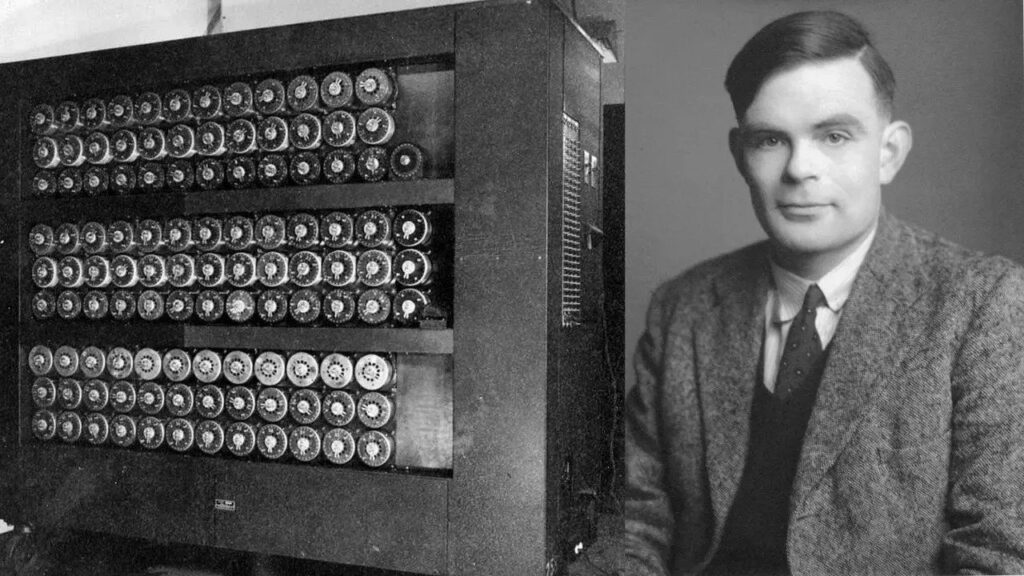
Alan Turing’s contributions transcended codebreaking during World War II. He conceptualized the Turing machine, a theoretical model underpinning the very foundation of modern computers. His work also made significant advancements in artificial intelligence and cryptography, shaping the future of these fields.
-
Grace Hopper: Democratizing Code with the First Compiler

A US Navy Rear Admiral and computer science pioneer, Grace Hopper developed the first compiler for a computer programming language – COBOL. This compiler revolutionized programming by allowing code in a more human-readable format, making it more accessible and paving the way for other famous software developers.
-
Vint Cerf & Robert Kahn: The Architects of the Internet

The internet we know today wouldn’t exist without Vint Cerf and Robert Kahn. They developed the TCP/IP protocols, the cornerstone of Internet communication. Their work enabled the creation of a global network of interconnected computers, forever transforming information sharing on a worldwide scale.
-
Bill Gates: The Software Visionary Who Brought Computing to the Masses

Bill Gates’ vision and leadership with Microsoft revolutionized the personal computing industry. MS-DOS and later Windows OS became dominant platforms, propelling software from a niche field to a mainstream industry. Gates’ influence ensured that personal computers became an accessible reality for millions.


-
Steve Jobs: Design Guru and Champion of User Experience
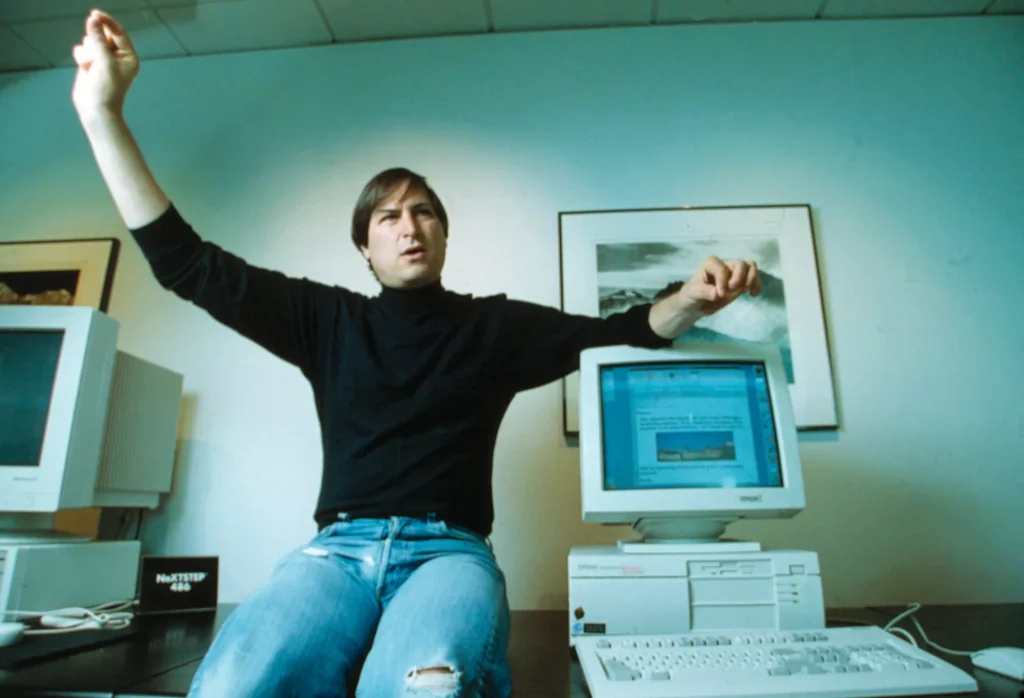
Jobs, a visionary leader alongside Steve Wozniak, co-founded Apple. His relentless focus on user experience and elegant design made Apple products like the Macintosh and iPod hugely successful. Jobs’ influence extended beyond software, shaping the entire hardware and software ecosystem for personal computing, prioritizing aesthetics and user-friendliness.
-
Linus Torvalds: The Open-Source Champion with the Linux Kernel

Linus Torvalds is the creator of the Linux kernel, the core of the Linux operating system. This open-source software provided a powerful and free alternative to proprietary systems, influencing software development for servers, personal computers, and even embedded devices. Linux’s open-source nature fostered collaboration and innovation within the software community. -
Tim Berners-Lee: Weaving the World Wide Web
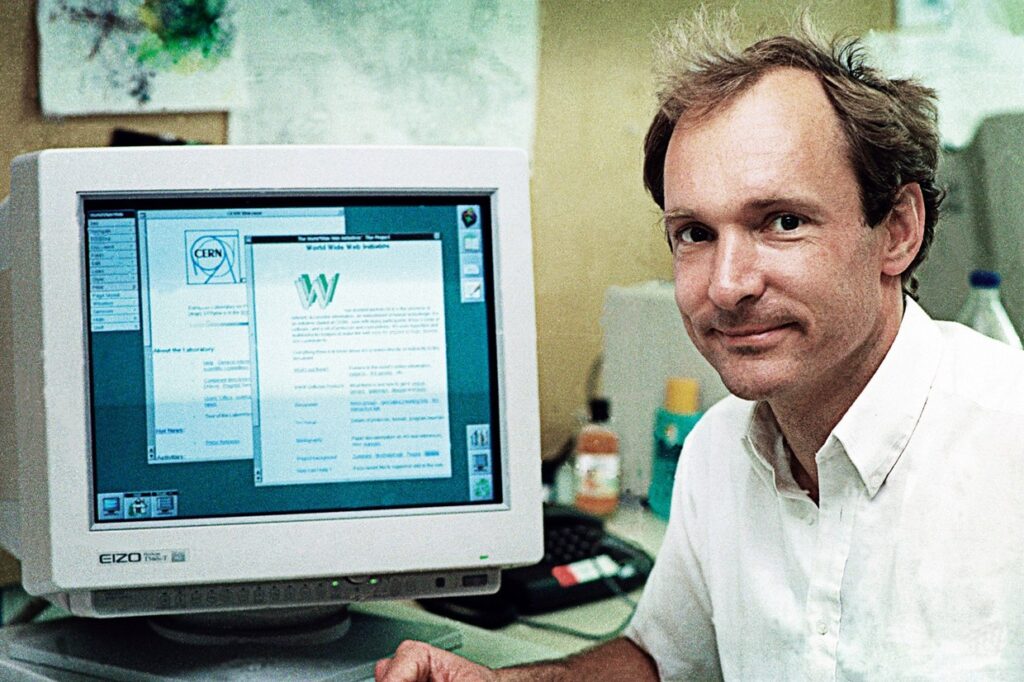
Tim Berners-Lee is credited with inventing the World Wide Web in 1989. His vision of a hypertext system with interconnected documents transformed information access and laid the groundwork for the Internet as we know it today. The development of the Hypertext Transfer Protocol (HTTP) and HTML further revolutionized how information is shared and accessed globally.
-
Satoshi Nakamoto: The Anonymous Enigma Behind Blockchain

The identity of Satoshi Nakamoto, the creator of Bitcoin and blockchain technology in 2008, remains a mystery. However, their innovation sparked a revolution in digital currencies and secure data management. Blockchain technology offers a decentralized and transparent approach to transactions, with the potential to disrupt various industries beyond finance.
-
Guido van Rossum: Making Programming Accessible with Python

Guido van Rossum, who created the Python programming language in the late 1980s, emphasized readability and simplicity. This has made Python a widely used language in web development, data science, and machine learning. Python’s user-friendly nature has also allowed more people to enter the field of software development.


Becoming a Best Software Engineer in the Future
To thrive in the future of software development, individuals should focus on developing a strong foundation in programming languages, algorithms, and data structures. Additionally, staying up-to-date with emerging technologies and trends will be crucial for long-term success.
Here are some specific steps aspiring software developers can take to prepare for the future:
- Learn foundational programming languages: Start with languages like Python, Java, or JavaScript to build a solid programming base.
- Explore emerging technologies: Stay up-to-date with the latest advancements in AI, ML, cloud computing, cybersecurity, blockchain, and other emerging fields.
- Contribute to open-source projects and startups: Participate in open-source projects and startups to gain practical experience and collaborate with experienced teams of top developers.
- Build a portfolio of personal projects: Showcase your skills and creativity by building personal projects that demonstrate your problem-solving abilities and technical expertise.
Making a Significant Contribution as a Software Developer
The best software developers have the power to make a significant impact on the world by creating innovative solutions that address real-world problems:
- Developing sustainable technologies: Create software that promotes energy efficiency, reduces environmental impact, and supports sustainable practices.
- Improving healthcare: Build applications that enhance medical diagnosis, treatment planning, and patient care.
- Expanding access to education: Develop educational tools and platforms that make learning more accessible and personalized.
- Promoting financial inclusion: Create fintech solutions that empower individuals and communities with access to financial services.
- Enhancing cybersecurity: Develop innovative security solutions to protect individuals, businesses, and governments from cyber threats.
Final Note
Software development is no longer just a technical back-office function. It is the purest form of modern innovation, where human creativity meets high-performance engineering. When we look back at the journey from Ada Lovelace’s first algorithms to the profound breakthroughs of Alan Turing, we see a clear pattern. Software does not just support the world, it transforms it.
However, as we navigate 2026, the role of the developer has shifted. In an era of sophisticated cyber threats, these professionals have become the primary guardians of our digital sovereignty. Building a product is no longer enough. You must build a fortress. Data privacy and transparent, secure architectures are the new baseline for any successful enterprise.
Looking toward the horizon, we are entering a phase of total immersion. Technologies like spatial computing, augmented reality, and blockchain are moving from the fringes to the core of global industry. These are not just trends, they are the building blocks of a decentralized and interactive future.
At a Glance: The Pillars of Modern Development
| Focus Area | Core Priority | Why It Matters Today |
| Security | Zero-trust architecture | Protects against evolving AI-driven cyber attacks |
| Privacy | Ethical data handling | Builds essential trust with a skeptical consumer base |
| Connectivity | Blockchain and decentralization | Removes the middleman and secures global transactions |
| Immersion | AR and VR interfaces | Creates the next generation of human-computer interaction |
The evolution of code is the evolution of how we live, work, and connect. The developers who understand this shift are the ones who will define the next decade of progress.
Conclusion
The history of software is a story of solving the impossible. As we move into an age of decentralized systems and immersive realities, the demand for visionary code has never been higher. For businesses and creators alike, the goal is simple: use the lessons of the past to build the infrastructure of tomorrow.