








Key takeaways
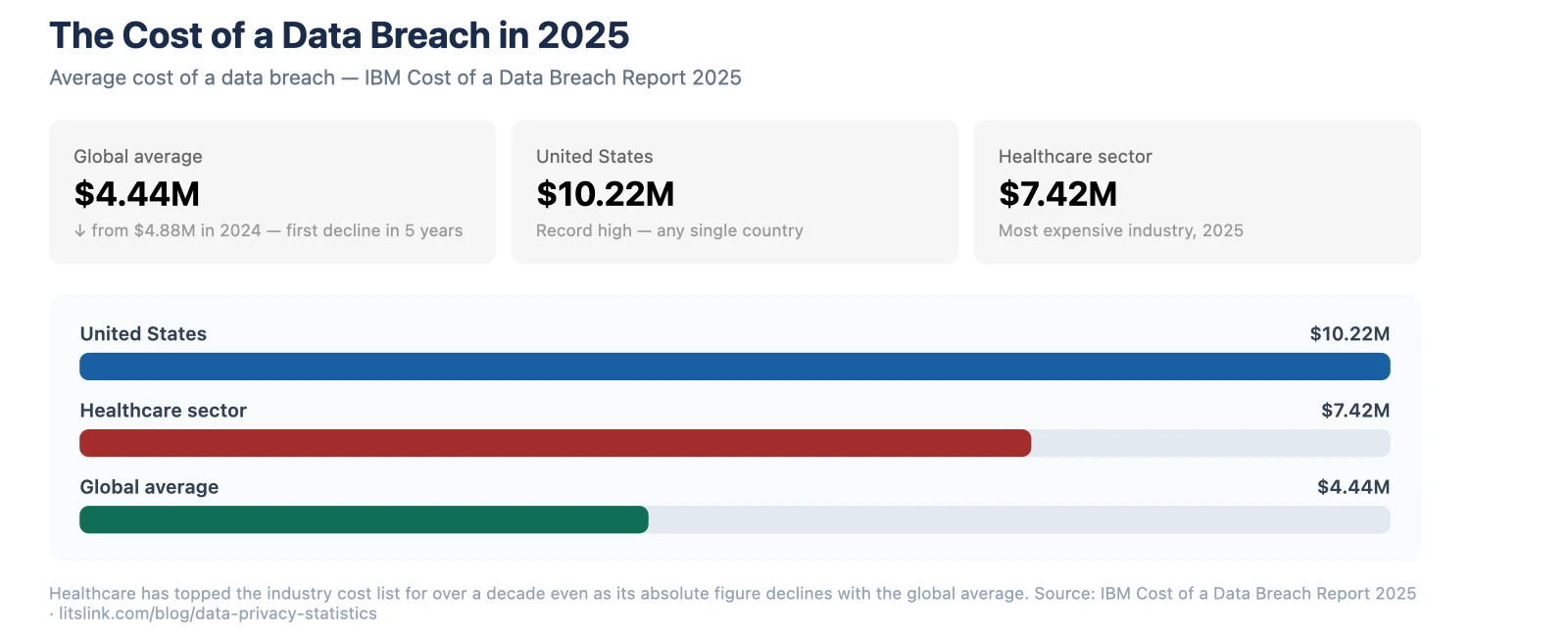
- The 2025 global average data breach cost fell to $4.44 million — its first decline in five years — yet the U.S. average hit a record $10.22 million (IBM Cost of a Data Breach Report 2025).
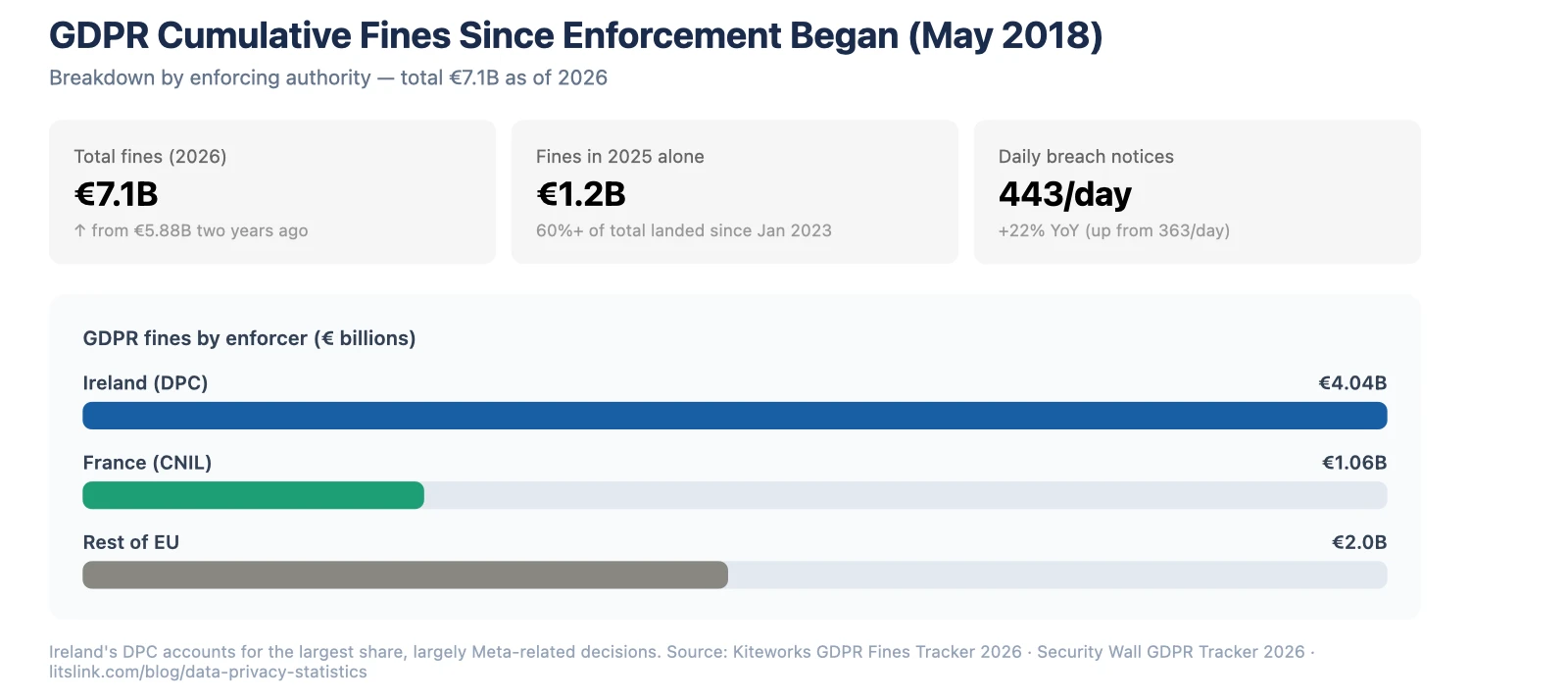
- GDPR cumulative fines have now passed €7.1 billion since 2018, with about €1.2 billion issued in 2025 alone.
- European regulators now receive 443 breach notifications per day — a 22% year-over-year jump from 363.
- 19–20 U.S. states now enforce comprehensive privacy laws, with Indiana, Kentucky, and Rhode Island added on January 1, 2026.
- Shadow AI added $670,000 to the average breach, and 13% of organizations suffered a breach involving AI models or apps — 97% of them lacked AI access controls.
- California regulators issued the largest privacy penalty on record in 2025: a $12.75M GM OnStar settlement for selling driver data without consent.
What is the real cost when companies fail to protect personal information? The answer hurts. In 2025, the global average breach cost is $4.44 million, a first decline in five years, while in the U.S., the average has hit a record $10.22 million. These numbers show why data privacy statistics are not just figures on a page.
They represent broken trust, angry customers, and heavy bills. Breaches do not only mean money lost but also business relationships destroyed. In this blog, we explore the biggest data privacy statistics for 2026 that decision-makers must know.
Start strengthening your data strategy today!
Rising Global Privacy Laws and Regulations
The world now runs on data, and regulators understand this better than ever. In 2026, 144 countries will have national data privacy laws, covering more than 6.64 billion people. That equals 82% of the global population. Each year brings stricter laws and stronger fines.
For example, GDPR fines have already crossed €7.1 billion since 2018, with about €1.2 billion added in 2025 alone. More than 60% of that total has landed since January 2023, and Ireland’s DPC accounts for €4.04 billion of it. This is not slowing down. Companies cannot ignore these rules, because regulators act fast and fines bite hard.
GDPR Fines Still Rising
Europe continues to lead enforcement. GDPR requires quick notification of breaches. Regulators now record about 443 breach notifications daily — a 22% year-over-year increase from the 363 reported a year earlier. Nations such as the Netherlands, Germany, and Poland top the charts. This spike in reporting shows how businesses feel the pressure to comply.
U.S. State Laws Grow Stronger
The U.S. now counts 19–20 states with comprehensive privacy laws in force as of January 2026, with Indiana, Kentucky, and Rhode Island joining on January 1, 2026, and nine existing states amending their laws in 2025. While there is no single federal privacy law yet, state-level action proves that consumer demand pushes lawmakers forward.
DORA Expands Compliance Costs
In the European Union, the Digital Operational Resilience Act (DORA) raises the bar for financial firms. 70% of organizations expect permanent increases in operating costs to meet compliance requirements. This is not a temporary budget hit. Companies now spend more just to stay legal.
Privacy Laws Drive Trust
Regulations are not only about penalties. According to Cisco, 86% of organizations say privacy laws actually improve customer trust. This is a surprising and important fact. Companies that meet the rules do not just avoid fines, they also gain loyal customers who feel safe.
Data Privacy Statistics Show Enforcement Power
The growth of privacy laws shows how enforcement shapes markets. When companies weigh compliance budgets, they cannot rely on guesswork. They must track statistics on data privacy and understand how regulations shape the cost of doing business. For companies building with AI, that tracking now extends to every model and dataset in their stack. Maintaining an AI-BOM (AI Bill of Materials) helps teams catalog third-party AI components, flag privacy risks early, and show regulators exactly what’s running under the hood.
Secure your data compliance now!
Enforcement Spotlight 2025: Record Privacy Fines
Enforcement stopped being theoretical in 2025. U.S. state regulators handed down the steepest privacy penalties in the country’s history, and most of them targeted data practices the article above warns about — selling data without consent, mishandling children’s data, and ignoring consumer opt-outs.
| Penalty | Amount | What happened |
| GM OnStar (California AG) | $12.75M | Largest CCPA settlement ever — GM sold driver geolocation and driving-behavior data to brokers without consent |
| Disney (FTC) | $10M | Collected children’s data from kid-directed YouTube videos without parental consent |
| Cognosphere / Genshin Impact (FTC) | $20M | COPPA violations involving children under 13 |
| Healthline Media | $1.55M | Privacy violations settlement, July 2025 |
| Tractor Supply (CPPA) | $1.35M | Largest California Privacy Protection Agency fine to date |
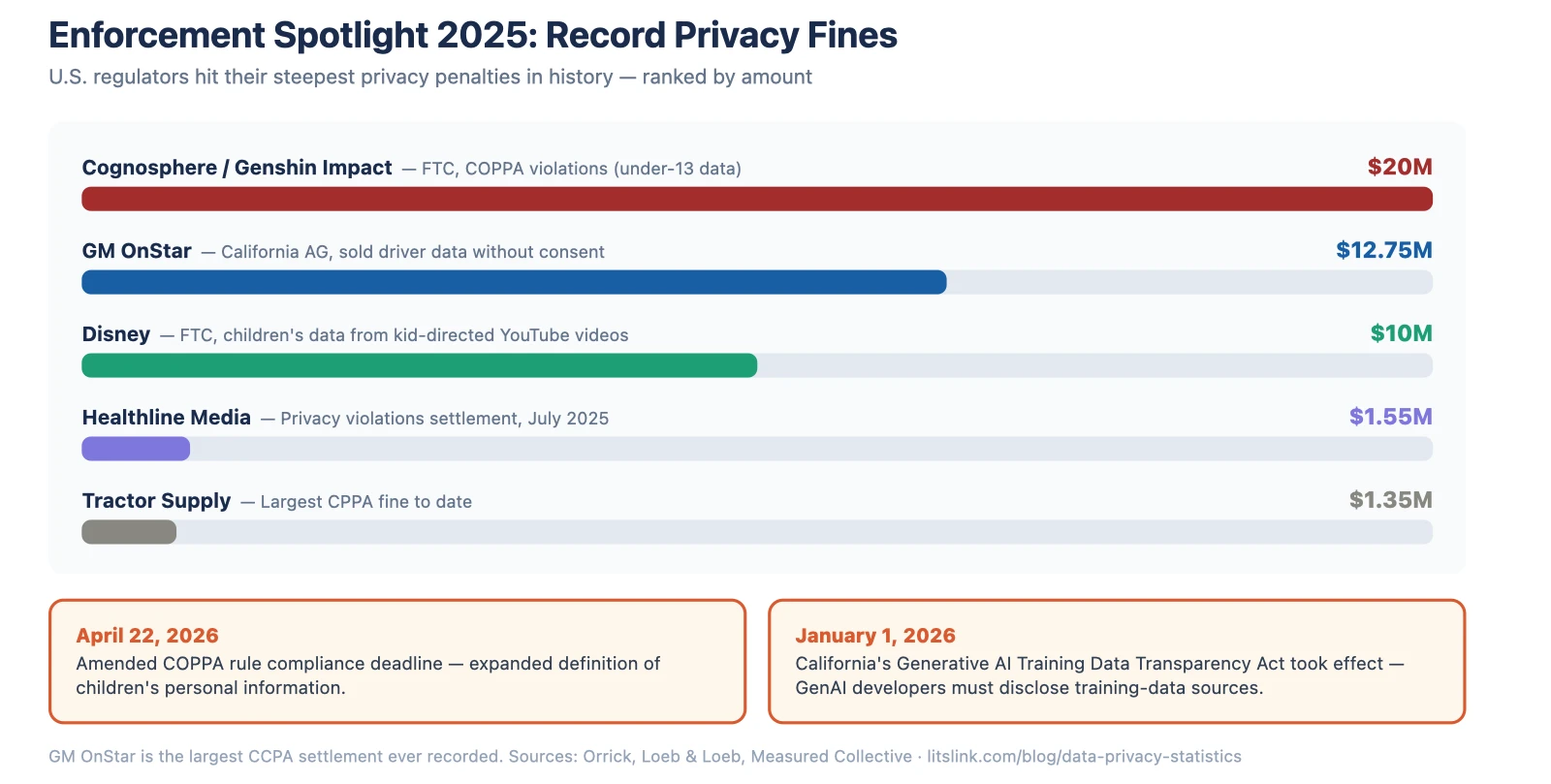
Two regulatory deadlines make 2026 a hard cutover. The amended COPPA rule carries an April 22, 2026 compliance deadline with an expanded definition of personal information, and California’s Generative AI Training Data Transparency Act took effect January 1, 2026, forcing GenAI developers to publicly disclose their training-data sources. Sources: Orrick, Loeb & Loeb.
Consumer Privacy Concerns and Behavior Shifts
People now see personal data as something precious. Breaches change how people buy and whom they trust. Cisco research finds that 95% of consumers refuse to buy if they think a company fails to protect information.
Another 99% say external privacy certifications matter when choosing a vendor. These numbers show that facts about data privacy shape behavior directly.
But what percentage of people are concerned about how companies are collecting data about them? Surveys show that a large majority express worry. Consumers ask not only how much personal data is collected every day, but also how long it stays stored and who can access it. For businesses, ignoring these questions means losing sales.
Shifts in behavior also connect to awareness. Consumers understand that ransomware appears in 44% of breaches. They read headlines about ransom demands and worry their own information will end up in the wrong hands. When they hear that median ransom payments reach $115,000, they realize how big the stakes are even for small businesses.
For consumers, trust is fragile. They can switch to a competitor with one click. If a firm suffers a breach, especially through third-party partners, which now cause 30% of breaches, consumers feel cheated. They expect full transparency. If they do not see it, they walk away.
This is where consumer data privacy concerns, statistics 2026, speak loudly. They explain not just what consumers think but how they act. Privacy is no longer a nice extra; it is a demand. Every industry must listen.
The Consumer Trust Deficit in Numbers
The trust gap is wider than most boards assume. Only 14% of consumers feel confident their data is handled responsibly, and no major brand — not even the most trusted, PayPal at 45% — cracks 50% consumer trust. That distrust costs revenue directly: 69% of Americans have abandoned a transaction because they didn’t trust the company with their data, and 60% have used a fake name, email, or burner account on a site they didn’t fully trust.
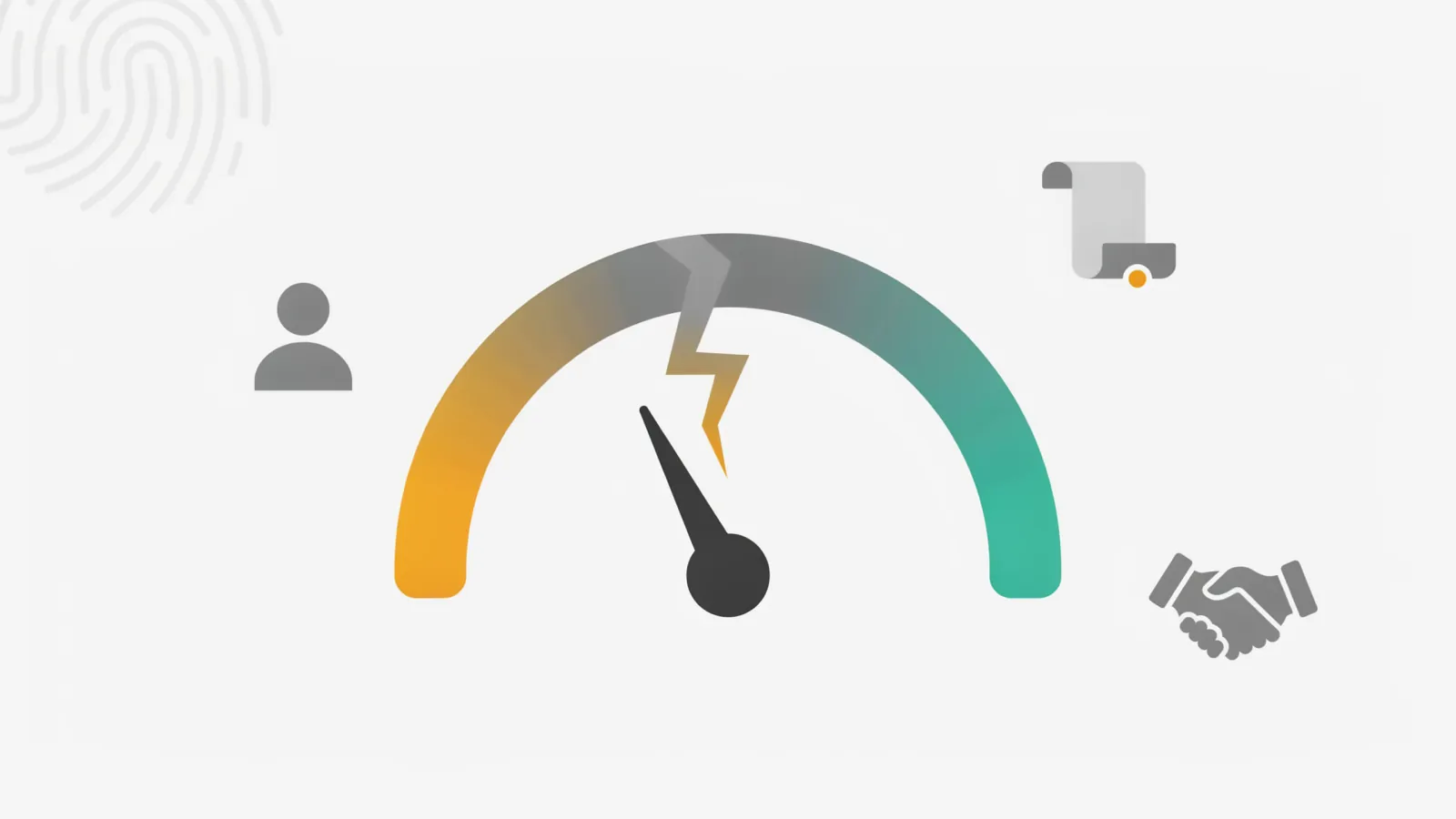
The flip side is a clear playbook. 66% of consumers say they would trust a brand more if it were transparent about why it collects data, 55% if it only collected what it needs, and 87% say it’s very or extremely important that companies disclose past breaches. Sources: LiquidWeb Digital Trust Report, Termly.
Partner with us to safeguard your business today!
The Impact on Businesses and Industry Trends
Breaches no longer hit only IT teams. They strike revenue, brand, and operations. IBM reports that the average breach lifecycle is 241 days, the lowest in nine years, but still long enough to cause huge harm. Healthcare feels the worst.
The average breach cost in healthcare is $7.42 million, with a lifecycle of almost 279 days. That means months of damage control. Financial services follow at $5.56 million, industrial at $5 million, energy at $4.83 million, and technology at $4.79 million.
These data security privacy statistics prove that every industry carries risk. No one is safe. And costs climb fast when shadow AI enters the picture. Reports show that about 20% of organizations suffer breaches from unauthorized AI tools. Worse, shadow AI incidents can add $670,000 to breach costs.
Rising Costs for U.S. Firms
Although global costs dropped, the U.S. average breach cost jumped to $10.22 million. For companies already managing inflation and economic pressure, this figure signals a serious risk.
Revenue Impact Through Lost Customers
Cisco research confirms that companies that fail to protect data lose buyers. Almost all customers prefer vendors with trusted certifications. Privacy is now part of the sales process.
Budget Shifts Toward AI Risks
99% of organizations expect to shift privacy budgets toward AI in 2026. This means less money for old programs and more attention on AI risks. Businesses must balance compliance, innovation, and cost control.
Cross-Border Data Friction
When companies store data locally, 90% believe it is safer. But 91% still trust global providers more, and 88% admit localization increases costs. This contradiction shows how the companies struggle between security and expense.
Industry-Level Disruption
Trends show privacy laws, fines, and customer demands push industries to rethink strategy. The global cybersecurity market, valued at $245.62 billion in 2024, is projected to hit $500.7 billion by 2030 at a 12.9% CAGR. Growth is not optional; it is survival. Businesses now invest more in cloud security, blockchain security, and other advanced methods, as discussed in LITSLINK’s blockchain in cybersecurity blog.
AI and Data Privacy: The Shadow AI Crisis
Shadow AI — employees feeding company data into public AI tools no one approved — is the defining privacy risk of this cycle. The IBM Cost of a Data Breach Report 2025 found that 13% of organizations suffered a breach involving AI models or applications, and 97% of those organizations lacked proper AI access controls. Shadow AI added $670,000 to the average breach cost.
The exposure starts inside the building. 93% of employees admit pasting company data into public AI tools, yet only 17% of companies have automated controls to block sensitive uploads. Varonis, analyzing roughly 10 billion files across 1,000 real-world environments, found that 99% of organizations have sensitive data exposed to AI systems and 98% run unverified apps, including unsanctioned AI. Meanwhile, 63% of organizations still have no AI governance policy in place.
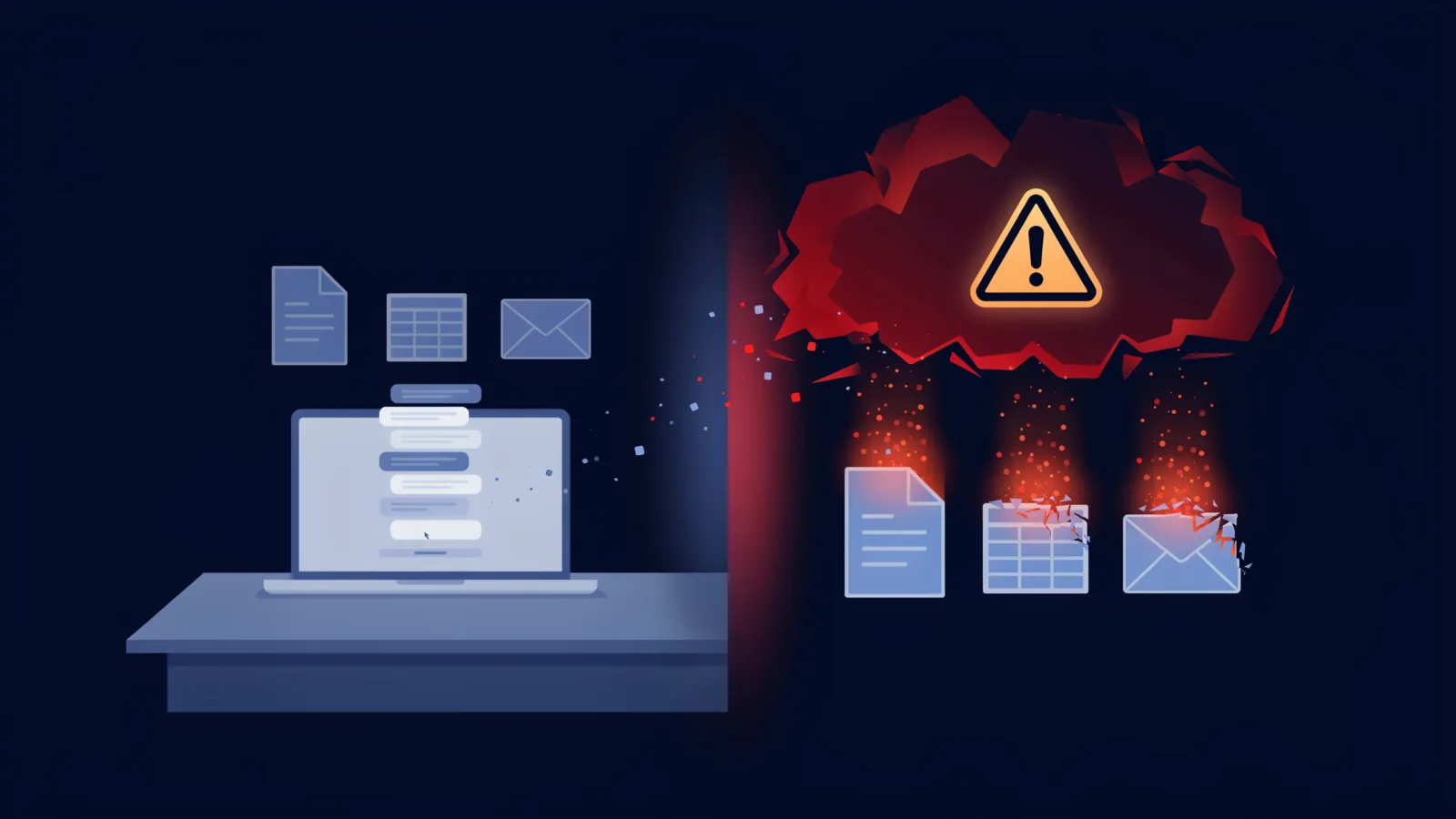
Regulators moved first. California’s Generative AI Training Data Transparency Act (effective January 1, 2026), the Colorado AI Act, and the Texas Responsible AI Governance Act all landed in the 2026 window, alongside the EU AI Act phase-in. The lesson for builders is concrete: catalog every model and dataset, enforce access controls, and write an AI-use policy before an employee writes one for you. Sources: IBM, BigID, Varonis.
Ransomware in 2025: A Record Surge
The article above notes ransomware appears in 44% of breaches; 2025 turned that trend into a record. Claimed ransomware victims rose 58% year-over-year, U.S. attacks climbed 50% in the first ten months (5,010 incidents vs. 3,335 in 2024), and more than 7,500 organizations appeared on dark-web leak sites. Double extortion — encrypting and stealing data — now defines 87.6% of claims.
| Ransomware metric | 2024 | 2025 |
| U.S. attacks (first 10 months) | 3,335 | 5,010 |
| Victims on leak sites | ~4,750 | 7,500+ |
| Median ransom paid | ~$12.7K | ~$59.6K |
| Victims who paid | ~36% | 28% (record low) |
Healthcare remains the top target, absorbing 17–22% of attacks. The Change Healthcare breach alone affected 192.7 million people — the largest healthcare data breach ever recorded — and total global ransomware damage is now estimated at $57 billion annually. Sources: DeepStrike, HIPAA Journal.

Key Data Privacy Statistics for the beginning of 2026
Numbers tell the story better than words. The following data privacy statistics infographic-style tables capture the year’s most important figures.
Breach Costs by Industry
| Industry | Avg Cost (USD) | Avg Lifecycle (days) |
| Healthcare | $7.42M | 279 |
| Financial | $5.56M | 252 |
| Industrial | $5.00M | 243 |
| Energy | $4.83M | 239 |
| Technology | $4.79M | 236 |
Global Breach Statistics for the beginning of 2026
| Metric | The beginning of 2026 Value |
| Global Average Breach Cost | $4.44M |
| U.S. Average Breach Cost | $10.22M |
| Average Breach Lifecycle | 241 days |
| Ransomware Involvement | 44% of cases |
| Median Ransom Payment | $115,000 |
Regulatory and Consumer Data
| Metric | The beginning of 2026 Value |
| GDPR Cumulative Fines | €5.88B since 2018 |
| GDPR Breach Notifications Daily | ~363 |
| Nations with Data Privacy Laws | 144 covering 6.64B people (82%) |
| Consumers refusing unsafe firms | 95% |
| Firms say laws boost trust | 86% |
Note: GDPR cumulative fines now stand at ~€7.1B and daily breach notifications at ~443 per current 2026 enforcement trackers (see updated figures above). The IAPP counts 144 countries with privacy laws; broader analyses that include sector-specific frameworks count up to 172 countries — roughly 79% of UN member states, up from about 100 in 2015. Source: Kiteworks.
These statistics about data privacy show the reality: fines grow, laws expand, and consumers refuse to forgive. Every leader must keep these numbers close when planning budgets and compliance. Cloud protection plays into this, too, and many leaders already read about strategies in LITSLINK’s cloud security blog.
Emerging Trends in Data Privacy
The future of data privacy comes with surprises. Some trends show costs falling, but new threats arrive quickly. Ransomware grows. Shadow AI brings hidden risks. Regulators expand faster than many businesses expect. These shifts shape the future of data privacy.
| Topic | Key Information |
| Shadow AI and Hidden Costs | Shadow AI breaches add about $670,000 per incident. Unauthorized AI tools increase vulnerability, risking compliance and causing higher costs. |
| AI Pressure on Budgets | 99% of firms plan to shift resources from traditional privacy tasks toward managing AI risks, tightening budgets in other areas. |
| Cross-Border Struggles | Localization raises compliance costs, yet 91% of companies prefer global providers, highlighting complexity in managing international privacy. |
| Ransomware Threat | 44% of data breaches involve ransomware; small businesses face median ransom demands around $115,000. Attack techniques keep evolving globally. |
| Market Growth in DLP | Data Loss Prevention market is expected to grow from $12.58 billion in 2024 to $26.5 billion by 2030 (13.5% CAGR), reflecting investment in sensitive data protection. |
Regional Breakdown of Data Privacy Landscape
Not all regions move at the same speed. Some push hard on regulation, while others still build legal frameworks. Statistics on data privacy prove these gaps.
| Region | Key Data Privacy Characteristics | Notable Statistics and Trends |
| Europe | Strictest regulations and highest enforcement costs | GDPR fines exceed €5.88B; 363 daily breach reports; the finance sector faces DORA compliance |
| United States | State-driven patchwork privacy laws; no federal law | 13 state privacy laws in force; complex compliance requirements |
| Asia | Rapid expansion of data privacy laws driven by digital growth | 144 countries globally have privacy laws; a continued increase in regulatory frameworks |
| Latin America | Emerging regulations and increasing enforcement | Brazil and Mexico are enhancing privacy frameworks and growing digital business enforcement |
| Middle East & Africa | Slow but rising adoption; motivated by global compliance demands | Increased pressure to meet international data protection standards |
This regional overview reflects the uneven but accelerating global movement toward stronger data privacy governance in 2026.
Future Outlook: Data Privacy in the Next 5 Years
The next five years will bring major changes in how companies handle personal information. The numbers already tell the story. In the first half of 2026 alone, the U.S. recorded 1,732 publicly reported compromises, an 11% increase year-over-year and already more than half of 2024’s full-year total.
These facts about data privacy show the pace of breaches is not slowing down. Companies must expect more attacks, higher costs, and tougher rules.
AI will shape much of the future of data privacy. Today, shadow AI exposure impacts 20% of organizations. In the next five years, this number may climb as more employees use unauthorized tools.
Businesses will need tighter AI governance, stronger access controls, and clear employee policies. Without these, data privacy stats suggest costs will grow by hundreds of thousands of dollars per incident.
Another part of the future of data privacy involves spending. Cisco reports that companies already spend $2.7 million annually on privacy programs, with a median return of 1.6×. Almost every firm, 96%, says benefits exceed costs.
Over the next five years, budgets will grow, but more of that money will shift to AI oversight. Cloud adoption will also push more firms to work with outside partners, as explained in LITSLINK’s blog on cloud application security.
Finally, consumer expectations will rise. Already, 95% of buyers refuse to purchase from companies they don’t trust. By 2030, this may reach nearly everyone. That means firms must treat privacy as part of customer experience, not only compliance.
People will continue asking what percentage of people are concerned about how companies are collecting data about them, and firms must give clear, honest answers.
Two Key Shifts Businesses Must Prepare For
Here is a table summarizing the two key shifts businesses must prepare for regarding data privacy in 2026, including examples and their strategic importance:
| Shift | Description | Additional Insights |
| Privacy as a Differentiator | Companies use certifications (e.g., CIPM, APEC CBPR), transparency dashboards, and blockchain-backed security to win customers. | Transparency and trust build brand loyalty; privacy can serve as a competitive advantage in customer acquisition. |
| AI-Driven Compliance Tools | Automated monitoring, predictive analytics, and privacy-enhancing technologies (PETs) are increasingly adopted for compliance. | AI tools accelerate privacy workflows and reduce manual task burden; strong adoption is forecast through 2030. |
The future outlook is clear: privacy remains one of the hardest challenges and one of the best opportunities. Companies that track global data privacy statistics in 2026 will be better prepared for 2030.
Key Takeaways for Businesses and Consumers
Consumers, employees, and regulators expect more accountability. The biggest lesson from current statistics about data privacy is that privacy and business growth are now tied together. Every leader must think of data protection as part of brand value.
For consumers, the numbers also send a clear message. Breaches are still frequent. 241 days remain the average lifecycle of a breach. This means that even when an attack is discovered, it can take months to resolve. Consumers should choose companies with strong certifications and transparent policies.
For businesses, the path forward is not optional. The cybersecurity market is already valued at $245.62 billion and will double by 2030. Investing in stronger controls, PETs, and trusted partners makes sense. Many are already turning to blockchain services and cloud services for scalable protection.
The biggest consumer data privacy concerns statistics 2026 show that if trust breaks, revenue follows. Businesses must monitor what percentage of people are concerned about how companies are collecting data about them and adapt to meet that expectation. That is the only way to protect both customer loyalty and long-term profit.
Frequently Asked Questions
The headline figures are a $4.44 million global average breach cost (a five-year low), a record $10.22 million U.S. average, GDPR cumulative fines above €7.1 billion, 443 daily breach notifications in Europe, and 19–20 U.S. states enforcing comprehensive privacy laws.
The global average is $4.44 million and the U.S. average is a record $10.22 million, per IBM. Healthcare is the most expensive sector, and shadow AI adds roughly $670,000 to an affected breach.
About 92% of Americans worry about their online privacy and 79% are concerned about how businesses handle their personal data. Only 14% feel confident their data is handled responsibly.
Shadow AI is the use of unapproved AI tools — like pasting company data into a public chatbot. In 2025, 13% of organizations had a breach involving AI, 97% of them without AI access controls, and 93% of employees admit feeding company data into public AI tools.
As of January 2026, 19–20 states enforce comprehensive consumer privacy laws, with Indiana, Kentucky, and Rhode Island taking effect on January 1, 2026. There is still no single federal privacy law.
Why LITSLINK is the Go-To Software Development Partner in 2026
Strong privacy protection requires more than tools. It requires trusted partners who understand technology, regulation, and business needs. That is why many companies choose LITSLINK. Our team helps firms build secure digital products with the right balance of compliance and innovation. We already guide businesses on topics like Zoom data leakage, blockchain in cybersecurity, and cloud data security.
Artificial intelligence now sits inside every project. In 2026, outsourcing partners rely on AI tools to speed up coding, testing, and project management. It no longer feels like an experiment; it works as a normal part of delivery.
We believe privacy is not just about reducing fines or meeting regulations. It is about building systems that customers trust. With threats like ransomware, shadow AI, and third-party breaches, businesses cannot stand still. They must act now.
The future of data privacy belongs to organizations that take action today. So the real question is: are you ready to strengthen your systems before the next breach hits? If you want to protect your business and win consumer trust in 2026 and beyond, reach out to LITSLINK.
Begin your privacy initiative today!