







Key Takeaways
- Apps built with Flutter now run well beyond phones: the 2026 Toyota RAV4 powers its infotainment system with Flutter, and Google, BMW, Alibaba, and Nubank all ship it in production.
- Flutter is the #2 mobile SDK on both the App Store and Google Play, with 1.5 million monthly developers — a 50% jump in a single year.
- Roughly 30% of new free iOS apps used Flutter in 2024, up from about 10% in 2021.
- Enterprise proof: BMW runs about 300 Flutter engineers across 47 countries, and Nubank serves more than 100 million banking customers on it.
- eBay Motors shares 98.3% of its code across iOS and Android, and 100% of its developers said Flutter was at least twice as fast as native.
In 2026, cross-platform development is dominated by Flutter, and with good reason. It has enabled both tech giants and startups to release stunning, useful apps using a single codebase, thanks to its rapid deployment and excellent performance on both iOS and Android. This technology is a wise choice for scalable mobile development, given the increasing number of apps built with Flutter.
We’ll look at 12 top Flutter app examples in this guide, including both international giants and cutting-edge LITSLINK projects. This list will give you a clear picture of Flutter’s practical impact, whether you’re looking into which apps use it or are organizing your project.
Why Companies Choose Flutter
Before diving into the list, here’s why so many companies spend money on apps made with Flutter:
- Faster Time-to-Market with one codebase for Android, iOS, web, and desktop
- Cost-Efficiency by eliminating the need for separate development teams
- Hot Reload feature to accelerate iteration
- Customizable UI with consistent performance across platforms
For companies that prioritize their products, Flutter is more than just a tool; it’s a strategic decision. It is a top choice for businesses looking to provide seamless cross-platform user experiences because of its performance, flexibility, and capacity to shorten time-to-market. Flutter enables teams to innovate swiftly and effectively, from startups releasing their first MVP to enterprise-level platforms streamlining their development processes.
Don’t miss our comprehensive post showcasing 10 incredible apps built with Flutter if you’re interested in learning more about other top-performing apps created with the framework. It offers more information about how Flutter is influencing the direction of mobile app development in different industries.
Flutter Apps Examples in 2026: The Numbers Behind the Boom
Before the list, here is the scale these Flutter app examples add up to in 2026. At Google I/O 2026, Flutter was confirmed as the second most popular mobile development SDK on both the App Store and Google Play, with 1.5 million monthly developers — up 50% in a single year. Adoption on Apple’s platform tells the same story: Flutter grew from about 10% of tracked free iOS apps in 2021 to nearly 30% in 2024.
| Metric (2025–2026) | Figure | Source |
| Mobile SDK rank (App Store + Google Play) | #2 | Flutter blog, I/O 2026 |
| Monthly Flutter developers | 1.5 million (+50% YoY) | Flutter blog, I/O 2026 |
| New free iOS apps using Flutter (2024) | ~30% | Flutter blog |
| pub.dev packages | 57,885+ | Flutter ecosystem |
| pub.dev downloads (30 days) | 1.3 billion | Flutter blog, I/O 2026 |
| Stack Overflow 2025 usage | 13.55% | Stack Overflow Survey |
The takeaway: Flutter is no longer the scrappy newcomer. It is a default choice, which is exactly why the apps below span banking, retail, automotive, and healthcare.
1. Shiftrx – Healthcare App by LITSLINK

The Shiftrx case study from LITSLINK demonstrates how Flutter can support healthcare applications that need to be quick, secure, and compliant. By streamlining digital prescription tracking, the platform enhances patient-provider communication. (See the live product at ShiftRx.)
Key highlights:
- Built-in HIPAA compliance
- Flutter-based performance optimization
- Secure, scalable, and fast across platforms
One of the best Flutter apps that demonstrates the framework’s effectiveness for regulated industries is this one.
2. Switchin – Logistics Management App
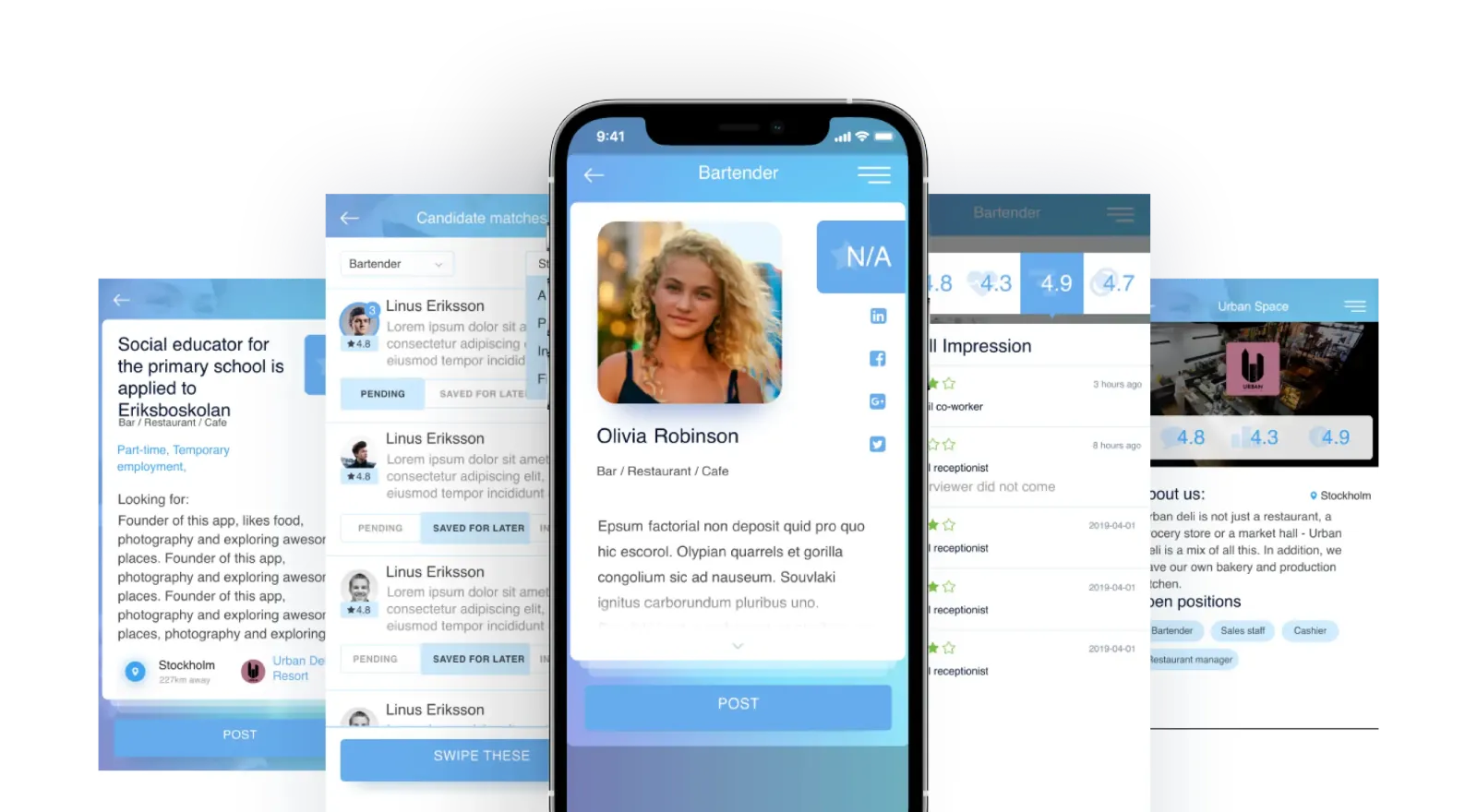
The logistics coordination app Switchin is another outstanding example from LITSLINK’s portfolio. It incorporates sophisticated tracking systems and real-time driver updates in an effort to streamline last-mile delivery.
Why it matters:
- Fully cross-platform
- Smooth UI built using Flutter’s native capabilities
- Optimized for performance and reliability
When it comes to apps that use Flutter, this logistics app exemplifies the flexibility this technology provides for products that require a lot of operations.
3. Google Ads
Google Ads is the ideal endorsement for a Google app built with Flutter. Marketers can manage campaigns, keep an eye on budgets, and view performance metrics while on the go with Google Ads’ mobile version.
For a busy app, Flutter lowers maintenance costs while maintaining a consistent user experience across iOS and Android. Developers can fix bugs on both platforms at once and deploy updates more quickly with a single codebase, which drastically reduces long-term support expenses. In addition to ensuring faster release cycles, this efficiency aids in maintaining feature parity and performance consistency, two critical components for attracting new users and remaining competitive in the rapidly evolving app market.
4. Alibaba
Alibaba improved the functionality and user experience of its Xianyu app, which has millions of users at the moment, by utilizing Flutter. The development team ensured a seamless, native-like experience on both iOS and Android while accelerating deployment by utilizing Flutter’s rich UI capabilities and single codebase.
Alibaba was able to add sophisticated features and maintain high performance without adding more time or money to development, thanks to the framework’s quick rendering and widget-based architecture. Consequently, Xianyu has maintained its responsiveness and scalability despite the rapid growth of its user base.
Alibaba, one of the most popular apps built with Flutter, shows how the framework scales even for e-commerce at the enterprise level.
5. BMW My BMW App
BMW selected Flutter to create and manage its international car app across several geographies. In a single, elegant interface, users can check the battery level, lock and unlock their vehicles, and schedule services.
One of the best Flutter app examples in the automotive industry is this one.
The commitment runs deep: BMW’s Flutter and Dart team has grown to roughly 300 engineers — one of the largest Flutter teams in the world — and the rebuilt My BMW app launched across 47 countries at once instead of staggered regional releases (Very Good Ventures).
6. Reflectly
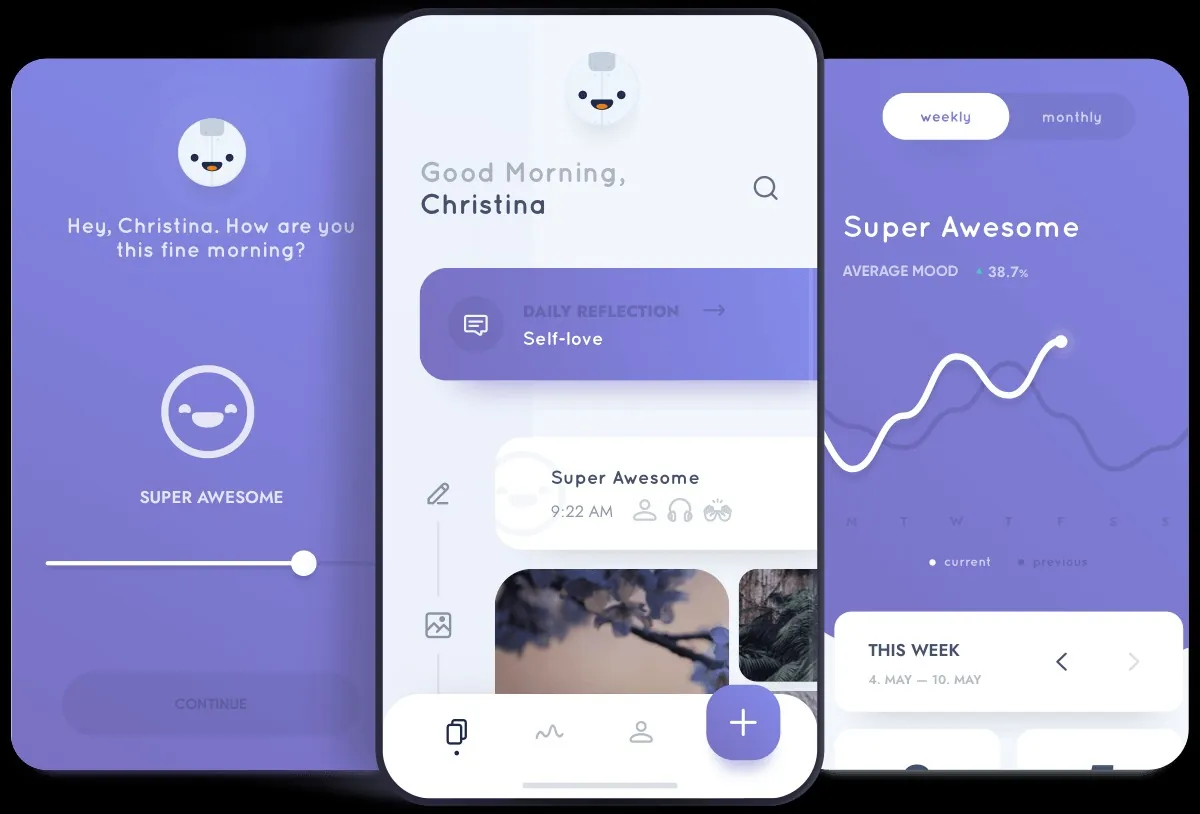
Reflectly is an AI-powered personal journaling app. Flutter is responsible for both its performance and its beautiful interface.
It is among the top wellness-related Flutter apps and has established a design benchmark that many new businesses try to meet.
7. eBay Motors
eBay’s Motors app, which allows users to buy and sell cars through a photo-heavy, highly interactive platform, was redesigned using Flutter.
It demonstrates that the framework functions flawlessly even for intricate transactional systems and is a well-known Flutter app example.
The numbers back it up: eBay Motors shares 98.3% of its code between iOS and Android, shipped its beta in three months, and 100% of the developers surveyed said Flutter was at least twice as fast as building natively (FBIP).
8. Google Pay
Another example of a Google app built with Flutter is Google Pay, which offers a quick and simple user experience while handling sensitive financial data across devices and OS versions. Google Pay must guarantee optimal security, a consistent user interface, and faultless cross-platform performance because millions of transactions occur every day. Google Pay can maintain feature parity between iOS and Android and provide consistent updates thanks to Flutter’s single codebase, which is essential for financial applications.
Additionally, Google Pay offers a slick, user-friendly interface that adjusts well to various screen sizes and user preferences thanks to Flutter’s powerful rendering engine and configurable widgets. Flutter is a perfect fit for fintech apps like Google Pay because of its ability to effectively manage security and user experience, demonstrating the framework’s strength in high-stakes, data-sensitive settings.
9. Hamilton Musical App
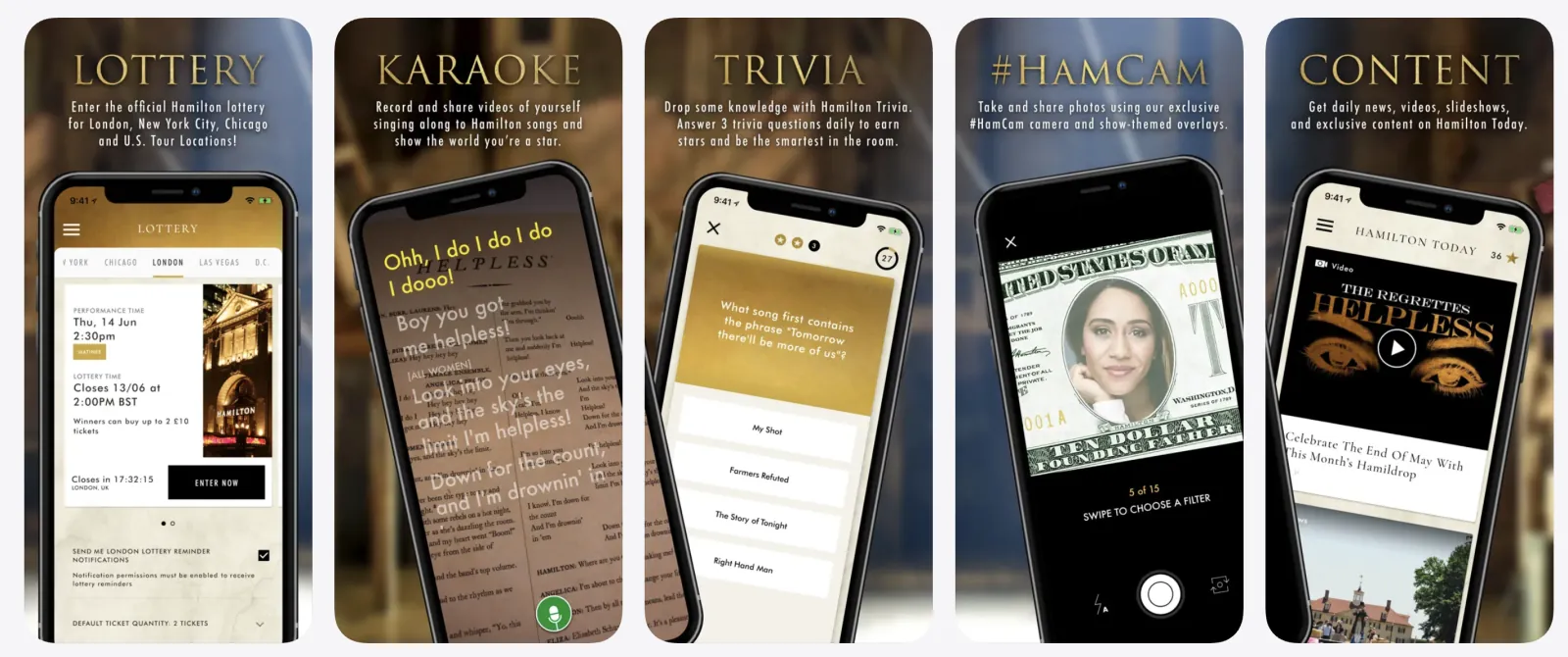
The Hamilton app, which was created with Flutter, is essential for anyone who enjoys the well-known Broadway production. News, unique videos, a trivia game, and access to merchandise are all included.
One of the more imaginative Flutter apps that demonstrates the framework’s adaptability beyond utility apps is this one.
10. Nubank
More than 100 million clients are served by Nubank, a significant digital bank in Latin America, using Flutter.
It ranks highly among the best Flutter apps for fintech because of its capacity to handle sensitive data, facilitate real-time transactions, and provide a responsive user interface.
Standardizing on Flutter paid off in speed: Nubank shipped a complete life-insurance product in three months — previously such launches took over a year — and reported a 30% better merge success rate versus native platforms (Flutter showcase).
11. Realtor.com

To improve feature testing with hot reload and provide a faster browsing experience, Realtor.com integrated Flutter into some of its tech stack components.
This is an excellent illustration of a Flutter app for managing and searching real estate.
12. Philips Hue
The Hue lighting app’s user interface was redesigned by Philips using Flutter. It now provides a seamless and engaging smart light control interface.
As one of the more practical apps that use Flutter, it shows how Flutter excels in IoT and smart home integration.
Flutter Beyond Mobile: Automotive, Desktop, and Web
The biggest shift since this list first ran is that Flutter outgrew the phone. The clearest proof is on the road: the 2026 Toyota RAV4 — premiered at Google I/O 2026 — runs its in-car infotainment on Flutter, and Toyota went a step further by open-sourcing Fluorite, a 3D game engine built on Flutter that brings Vulkan-grade graphics to the dashboard (Toyota Flutter showcase). Rollout is planned to extend to the 2027 Highlander and Lexus TZ.
On the web, Flutter’s WebAssembly (WASM) compilation is now stable and, in 2025 benchmarks, loaded about 40% faster than the JavaScript build while using less memory (Flutter docs). On desktop, Flutter 3.38 added Windows multi-monitor APIs, making “write once, deploy anywhere” a practical reality rather than a slogan.
What Makes Flutter Ideal in 2026?
Developers are choosing Flutter development for reasons other than speed as user expectations and competition rise.
Why Flutter stands out in 2026:
- Mature Tooling: More reliable third-party packages, libraries, and integrations than before
- Desktop and Web Support: With desktop apps built with Flutter becoming more common, you can create once and deploy anywhere
- Growing Talent Pool: Easier hiring and faster onboarding
- Backed by Google: Long-term ecosystem support guarantees stability
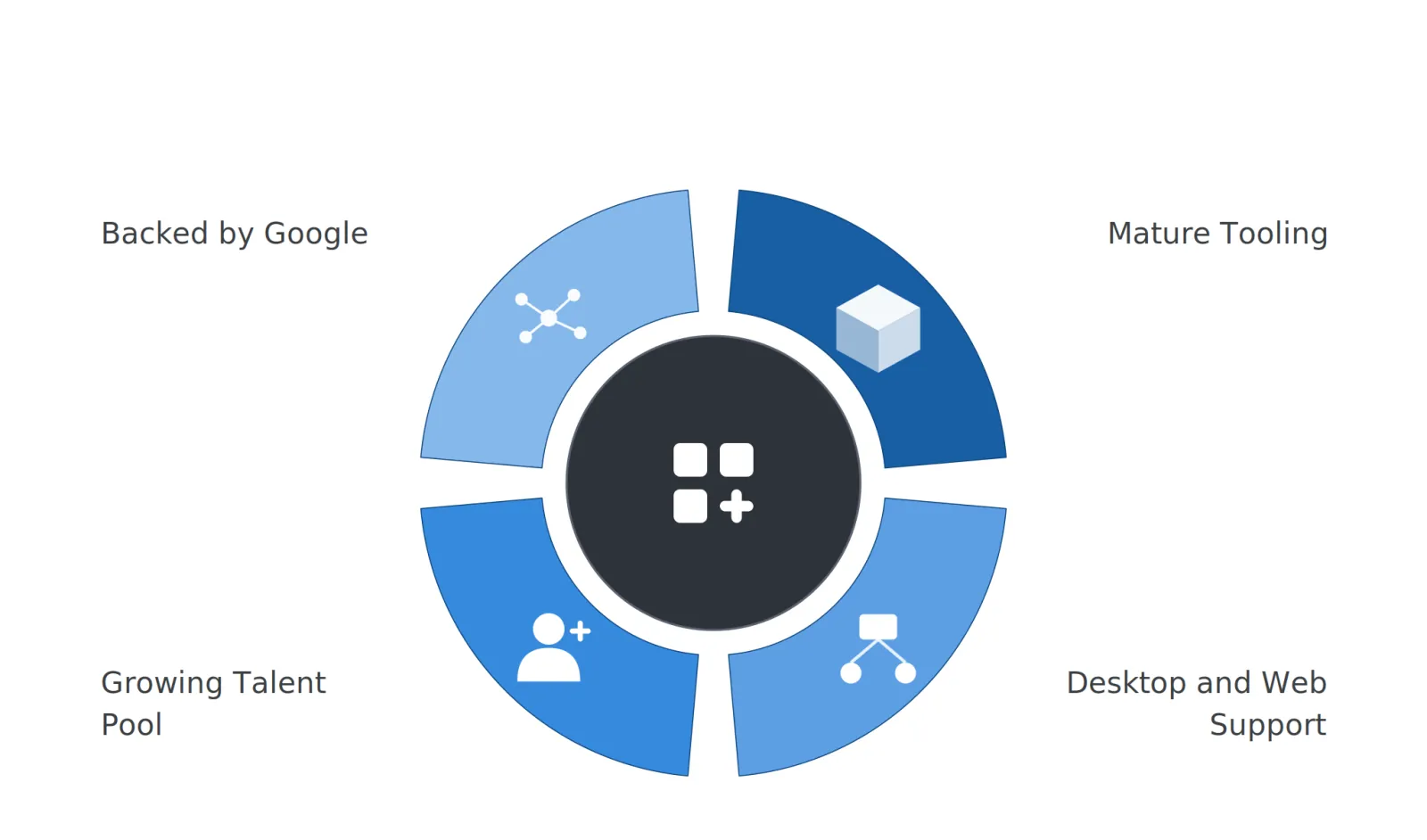
Because of these advantages, Flutter is a strong basis for contemporary app strategies, particularly for businesses that value efficiency, speed, and smooth user experiences. Flutter cuts down on development time and ongoing maintenance by allowing teams to create excellent, cross-platform apps from a single codebase.
Flutter enables companies to launch more quickly, iterate quickly in response to feedback, and maintain consistent branding across platforms in a highly competitive digital landscape where user expectations are continuously rising. Provides the performance and agility required to stay ahead, whether you’re an enterprise growing your mobile presence or a startup trying to develop your MVP.
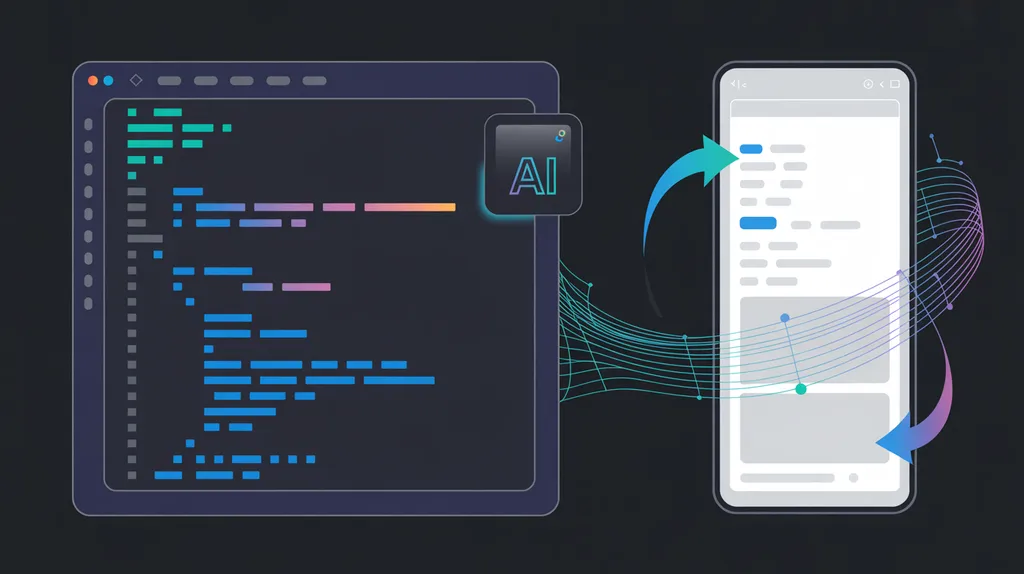
Flutter also went AI-native in 2026. The 3.44 release added Agentic Hot Reload — where AI coding agents trigger hot reloads through a Flutter MCP server — and a GenUI SDK that lets models compose real Flutter widgets at runtime, while Firebase AI Logic wires Gemini models directly into Flutter apps (Flutter 3.44).
LITSLINK: Your Flutter Development Partner
Working with a skilled Flutter team is crucial whether you’re developing an MVP or a multi-platform ecosystem.
With experience in healthcare, logistics, finance, and other fields, LITSLINK provides full-cycle Flutter development services.
Here’s what sets us apart:
- Over 300 apps delivered across industries
- Proven cases like Shiftrx and Switchin
- Rapid prototyping and launch using agile methodologies
LITSLINK can assist you in determining which apps use Flutter, calculating your budget, and achieving great results.
Planning Your Flutter App?
Here’s how to get started if these Flutter-built app examples motivate you to start your own project:
Determine your ideal users and clearly state your business objectives first. If high-performing experiences across platforms are essential to your product vision, go with Flutter as your framework.
Then, to gain a better understanding of possible investment, use our App Cost Calculator to estimate your budget. Visit our Clutch profile to learn more about our track record of success and to gain credibility.
Before you jump in, would you like to know more? To learn how Flutter fits into your product strategy, check out our in-depth guide on Flutter for App & Mobile Development.
FAQ: Apps Built with Flutter
Widely used apps built with Flutter include Google Ads and Google Pay, Alibaba’s Xianyu, Nubank, eBay Motors, BMW’s My BMW app, and — as of 2026 — the Toyota RAV4 infotainment system. On the LITSLINK side, ShiftRx (healthcare) and Switchin (logistics) are production examples.
Yes. Google ships Flutter in its own products, including Google Ads and Google Pay, and maintains the framework itself. That dual role — builder and heavy user — is part of why Flutter’s roadmap moves quickly.
The case studies answer that directly. BMW runs about 300 Flutter engineers across 47 countries, Nubank serves 100 million+ banking customers, and eBay Motors shares 98.3% of its code across platforms. These are large, regulated, high-traffic products.
Yes. The 2026 Toyota RAV4 runs its infotainment system on Flutter, and Toyota built an open-source 3D engine (Fluorite) on top of it. BMW has also extended its Flutter work toward in-vehicle interfaces.
Both dominate cross-platform development. Flutter leads on adoption and shows faster cold-start times in peer-reviewed benchmarks, while React Native keeps a smaller binary size. The right pick depends on your team’s existing stack and product needs.
Final Thoughts
The apps written in Flutter, which range from wellness startups to e-commerce behemoths, demonstrate how far this framework has advanced. It is the preferred option for anyone wishing to develop for multiple platforms without sacrificing quality because of its versatility, speed, and beautiful user interface capabilities.
With the help of professionals like LITSLINK, you can use Flutter to quickly, cheaply, and without sacrificing functionality to realise your app idea.
Fortunately, we have a lot of experience developing custom software. We can also do that for you. Let’s begin by getting in touch with us!