




Building a One-Way Video Interview Platform for Recruiters That Helps Hire 40% Faster
- 40% faster hiring cycle
- 9 days off the average time to hire
- <3 min to publish an interview
- 5 user roles, one permission model
One-way video interview software replaces live phone screens and calendar juggling with an asynchronous workflow. Recruiters post interview questions, candidates record video responses on their own time, and hiring teams review everything when it suits them. We built that workflow for a UK recruitment startup.
Project Details
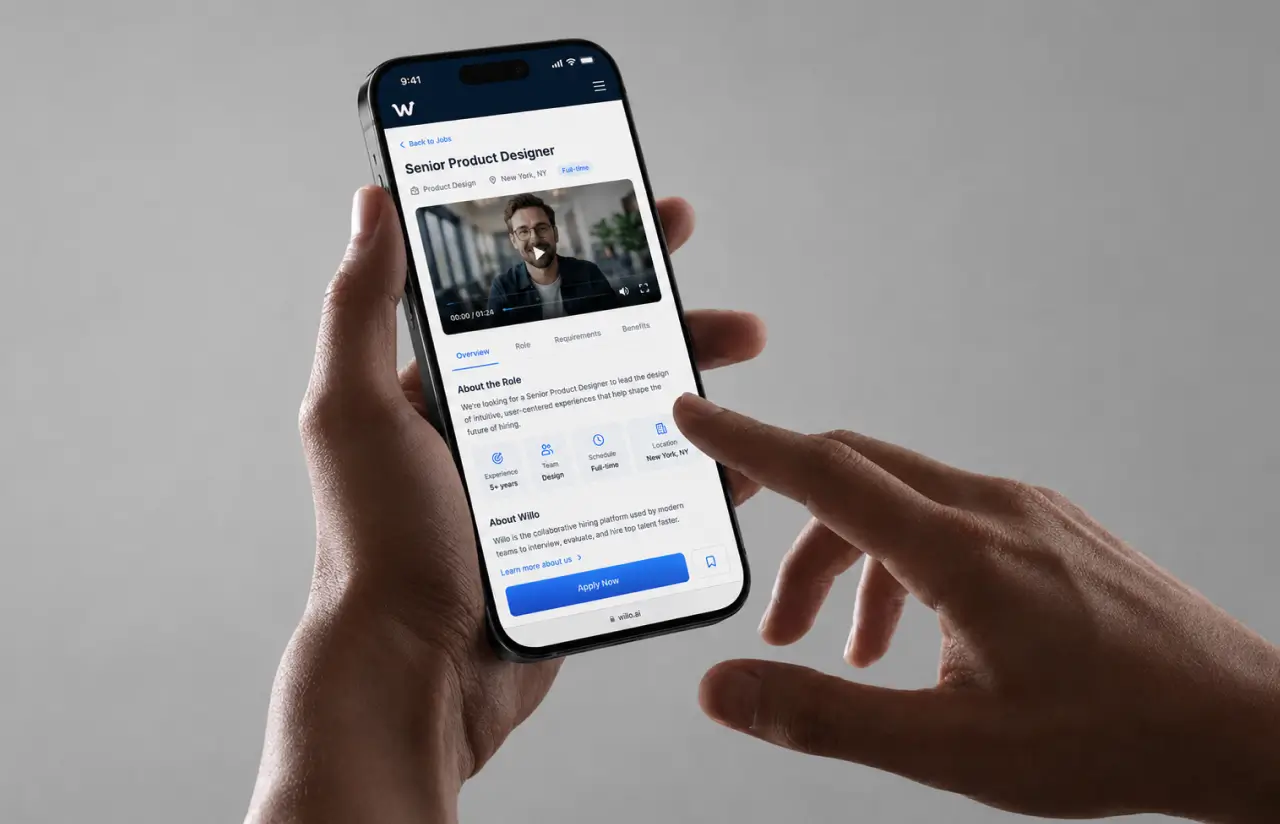
Willo is a browser-based hiring platform where a recruiter sends a set of questions, and the candidate answers them on camera whenever 20 free minutes turn up.


Business Challenge: Streamlining High-Volume Recruiting With One-Way Video Interviews
Willo came to us with a problem its own customers kept describing in the same words. Contact centers, logistics operators, and retail chains reopen the same roles every quarter, collect several hundred applications each time, then lose two or three weeks to twenty-minute phone screens.
Booking one of those calls took three to five emails. Roughly a third got moved at least once, and no-shows announced themselves as silence on the line, so a 20-minute conversation cost closer to 40 minutes of a recruiter’s day. What came out of it was hard to compare. Two hiring managers asking their own questions in their own order, notes typed up afterward from memory, and a shortlist that came down to who happened to answer the phone in a good mood. Resume screening filtered the top of the funnel, and everything after it ran on calendar availability.

Eliminating Scheduling Conflicts
Every live phone screen needed one slot two people could both keep. Three to five emails per candidate, roughly a third of calls rescheduled at least once, and interview coordination that ate more of the week than the interviews did.

Scaling Candidate Evaluation
A recruiter can hold about six live interviews in a day. Willo's customers were reviewing 200 or more applicants per opening and needed the same questions asked in the same order, or the shortlist meant very little.

Maintaining Secure Candidate Data
A video answer carries a face, a voice, and a name in one file. Storage, access rules, retention windows, and deletion requests all had to hold up before an enterprise account would put its own logo on the platform.
Technologies Behind One Way Video Interview Hiring Platform


Our One Way Video Interview Solution
One decision shaped everything after it: candidates record in the browser. No app, no download, no account to create. A candidate opens an interview link on a phone during a lunch break, reads the first question, and taps record. Companies seeking the best video interview software usually ask one thing before anything else: will candidates actually complete interviews once they start? Every architecture argument on this project traced back to that minute.
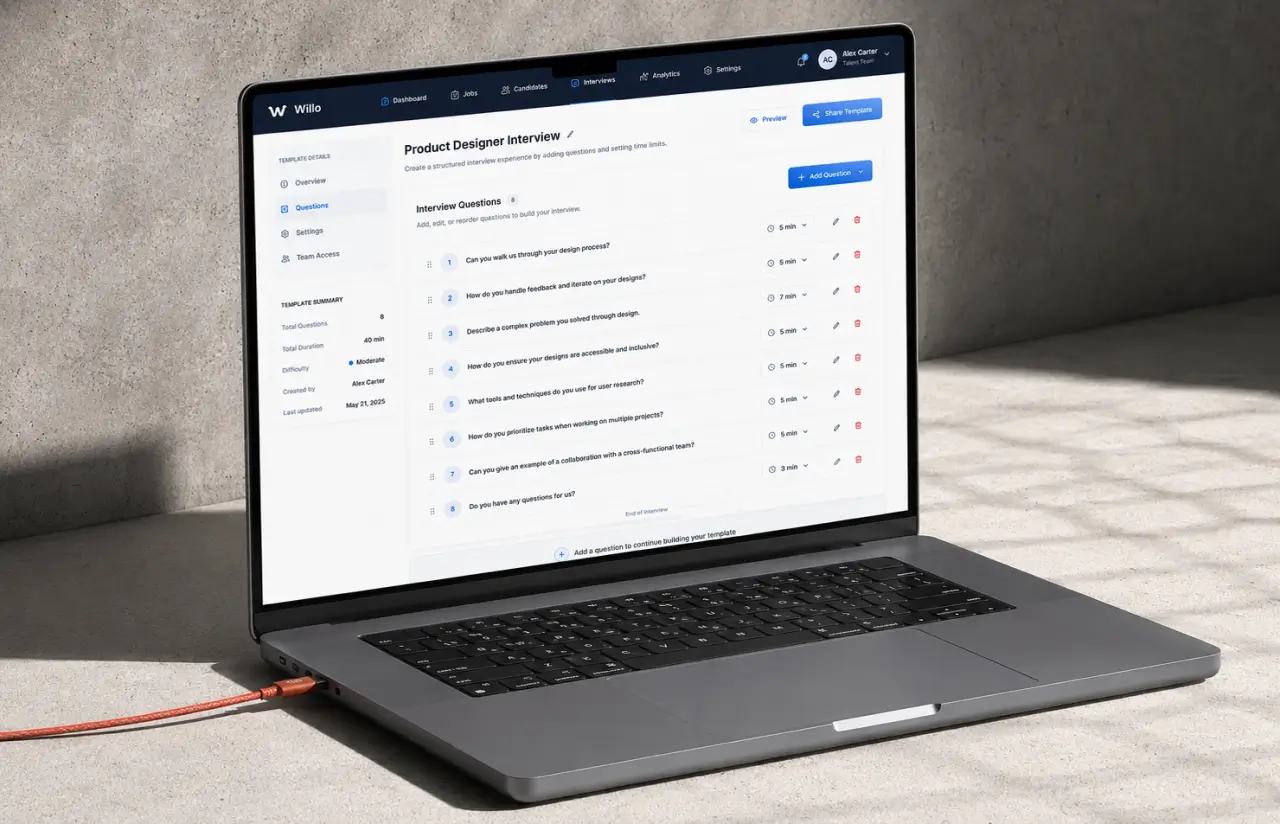
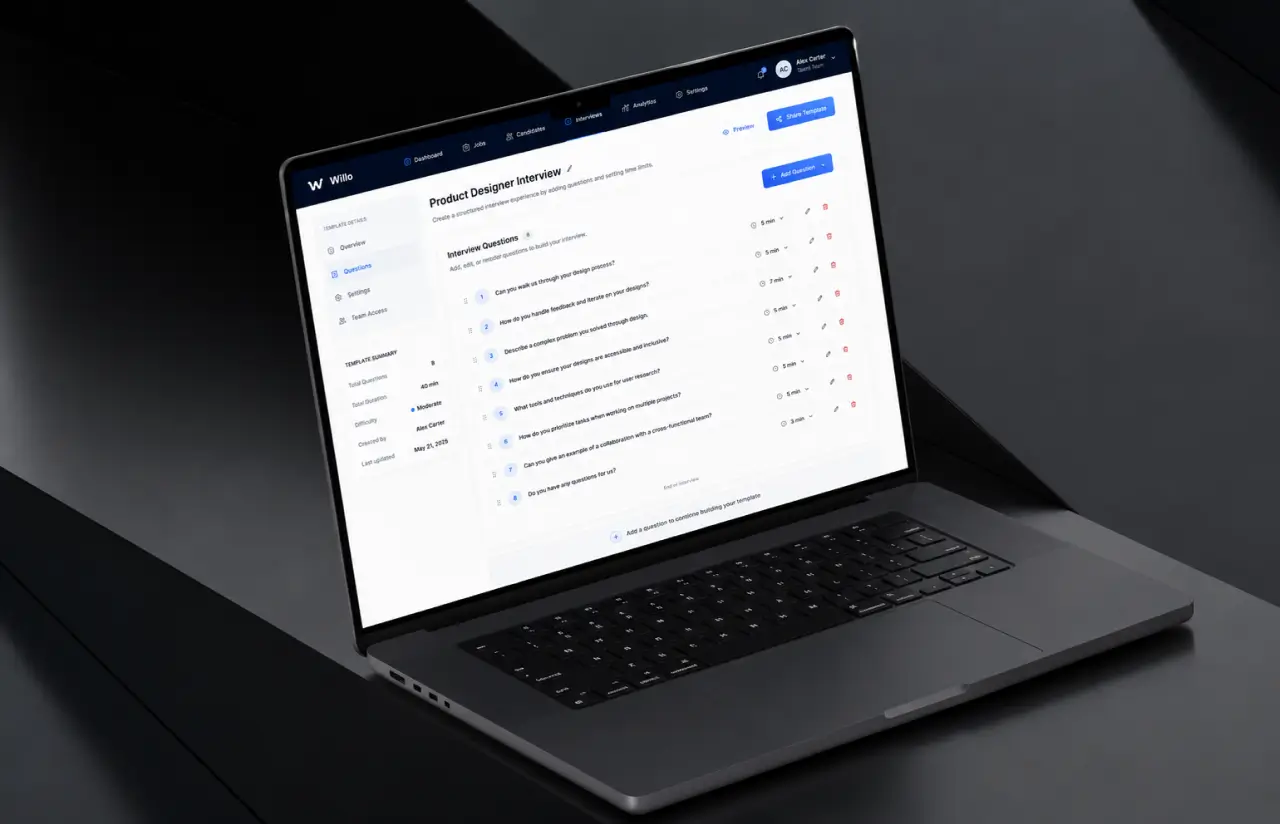
On the recruiter side, the job is the object everything hangs off. A three-step wizard covers setup, questions, and preview. Step one takes the job title, salary, company, an intro video, and a rich-text job description. Step two takes four to six interview questions, each with its own time limit and a capped number of retakes. Publishing takes under three minutes, and the question set saves as a template for the next opening, which is how one recruiter runs volume hiring across six job postings without rewriting anything.
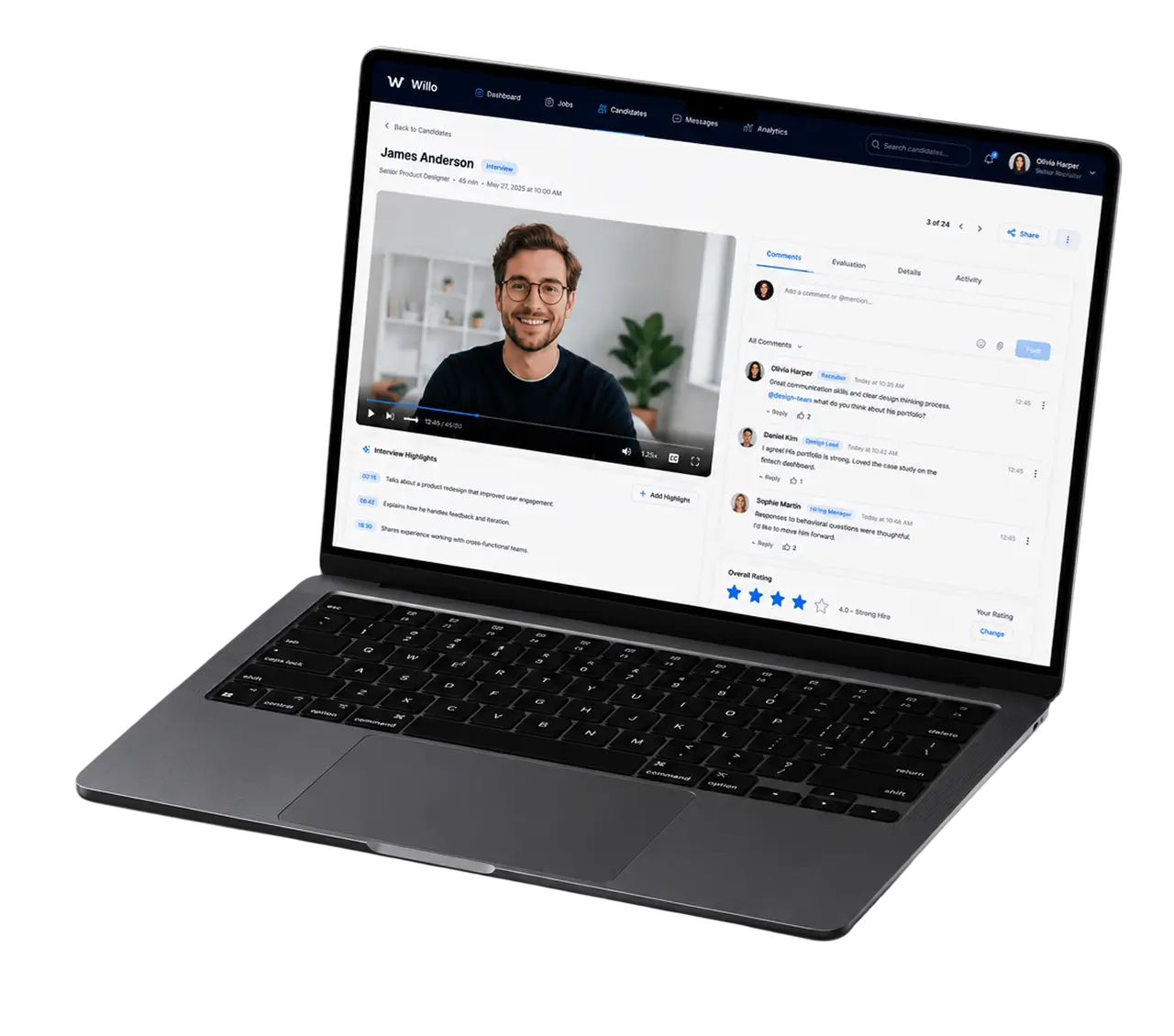
Review is where the time comes back. Five video responses at 90 seconds each play back in about eight minutes, and any of them can be shared with a hiring manager as a link rather than a meeting invite. Hiring teams watch the same answers to the same questions in one thread, comment underneath, and rate against a shared scale, which gets a reviewer through more candidates in a morning than a full day of phone screens ever allowed. Structured evaluation was never realistic while every screen was a separate phone call.
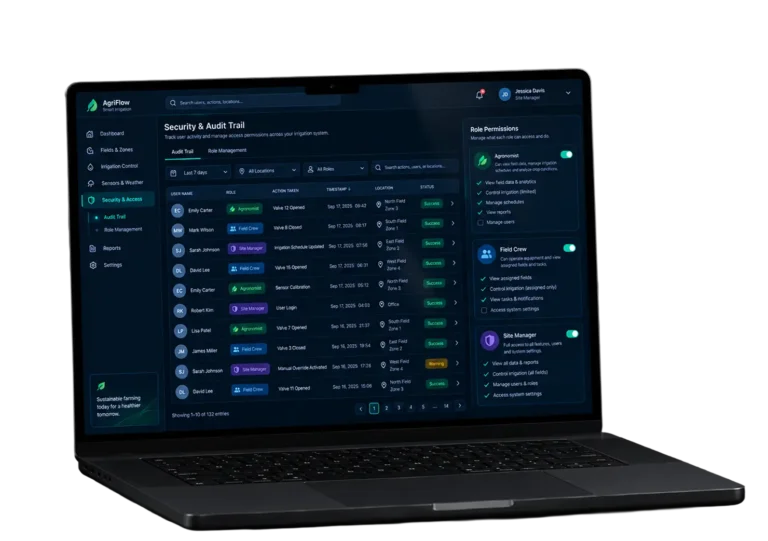
Five user roles run on one permission model: platform admin, company admin, recruiter, reviewer, and candidate. The candidate role has the smallest surface area in the product and has absorbed the most design attention because that role determines whether an interview is completed. Admin sits above all of it, tracking users per company, active job postings, the plan tier that covers unlimited interviews, and the custom branding that keeps a customer’s candidate experience on the customer’s own colors.
Asynchronous Video Interview Platform
Candidates record video responses in the browser on any device, with per-question time limits and a set number of retakes. Nothing to install, no account to create, and no slot to agree on with anyone.
Customizable Interview Templates
Recruiters build a question set once and reuse it across job postings. Interview templates carry the wording, the order, and the time limits, so every applicant for a role answers the same set under the same conditions.
Collaborative Review System
Hiring teams watch candidate responses in a shared thread, leave comments, and score against the same questions. Sharing interviews takes a link, so a hiring manager reviews without a login, a calendar slot, or a video call.
ATS Integration and Workflow Automation
A REST API and webhooks push finished interviews into applicant tracking systems, updating candidate profiles in place. Invitations, reminders, and deadline chasers send themselves, which covers most of what automated interview scheduling was doing before.
Analytics and Reporting
Every job shows invited against received with a completion rate in brackets, filtered down to the last seven days. A recruiter spots the job posting stalling at the invite stage in week one instead of at the end of the quarter.
Enterprise Security Features
Video files sit in encrypted storage behind expiring signed URLs, with role-based access, per-account retention windows, and one-click deletion for GDPR requests. Every account runs on its own branding and its own domain-level look.
Scrum Methodology
Project Journey
The platform evolved over 48 two-week sprints across more than two years, starting with recruiter tools before adding browser recording across older phones and modern laptops. Discovery defined permissions for five user roles, ensuring admins, reviewers, and candidates saw the right interview data.
How One Way Video Interview Software Works — Step-by-Step Interview Process
- Job title, salary, company, an optional intro video, and a rich-text description go into a three-step setup wizard.
- Four to six interview questions, each with a time limit and a retake cap. A test interview confirms the wording before anything goes live.
- One link per job, opening in any browser on a phone, tablet, or laptop, with nothing for job seekers to install.
- Each question gets answered on camera in the candidate's own time, reviewed take by take, then submitted when they are happy with it.
- Answers land in a shared thread. Reviewers watch, comment, and rate every applicant against the same questions.
- Scores travel with the candidate profile into the ATS, and finalists get a meeting invite from the same screen.
Scrum Process Flow
Web development on a two-sided product gets judged by whichever side has less patience, and here that was the candidate. Two-week cycles put working screens in front of Willo often enough that a recording flow nobody liked could be pulled apart and rebuilt in the next sprint instead of defended for a quarter. Three separate reviews changed the candidate interview process outright.
How We Deliver Your Project
- We define the project goal together, agree on priority features, and set a realistic delivery date and budget.
- We build a ranked list of everything the product needs, starting with what matters most to the business.
- Work is broken into 2-week cycles. At the start of each, we select the next set of features to deliver.
- The team builds, tests, and integrates features throughout the sprint.
- At the end of every sprint, you see working software and give feedback that shapes the next cycle.
- Each sprint produces a shippable piece of the product. We review what worked, adjust, and move forward.
UI/UX Design: Intuitive One Way Video Interview Experience
Two audiences with opposite needs, served out of one product. A recruiter wants density on screen. A candidate wants to stop feeling watched.
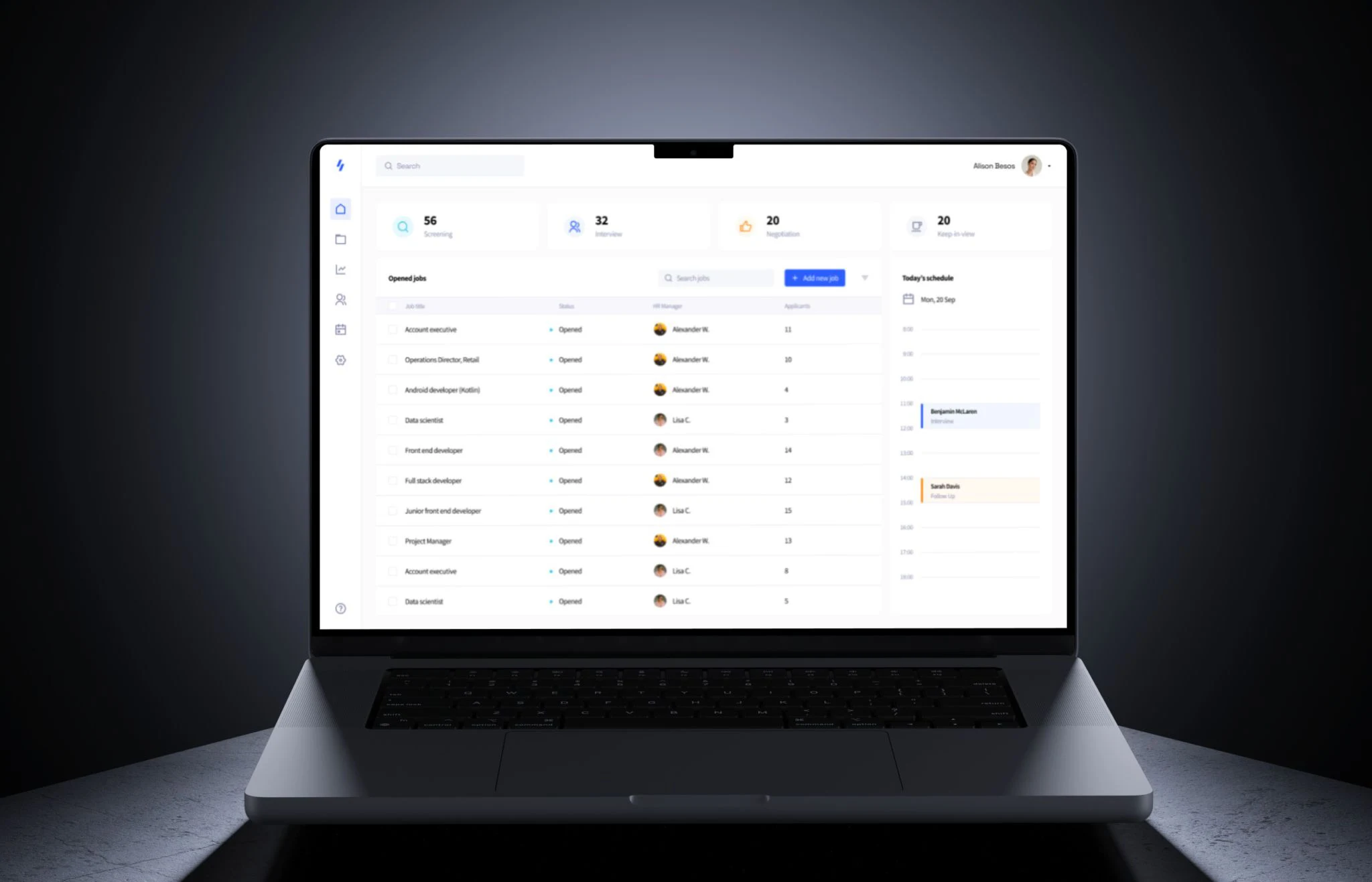
The recruiter workspace runs on a deep navy header (#001E45), purple (#5956A5) for anything actionable, and green (#48C73D) on the toggles that switch a job posting on or off. The dashboard opens on a single chart, invited against received, with a date filter defaulting to the last seven days. Job cards sit underneath: invited count, interviewed count with the response rate in brackets, start and end dates, and a switch. Four seconds on that page should be enough to identify the stalling opening.
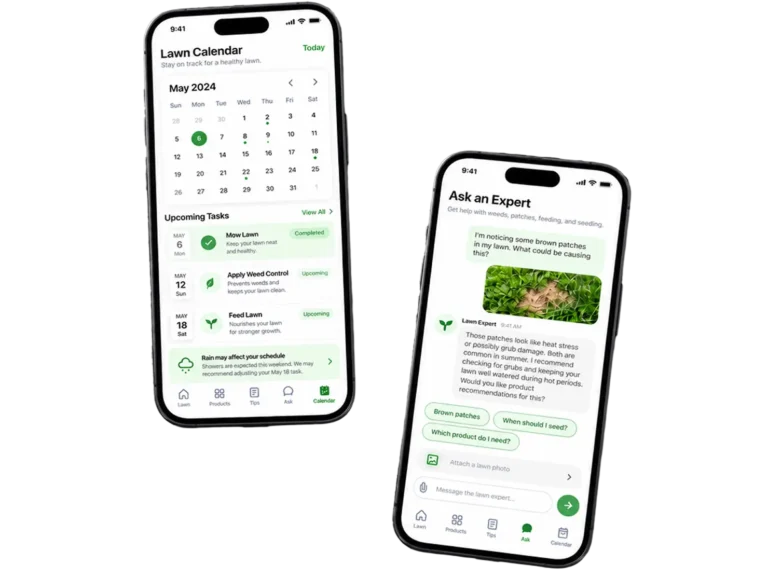
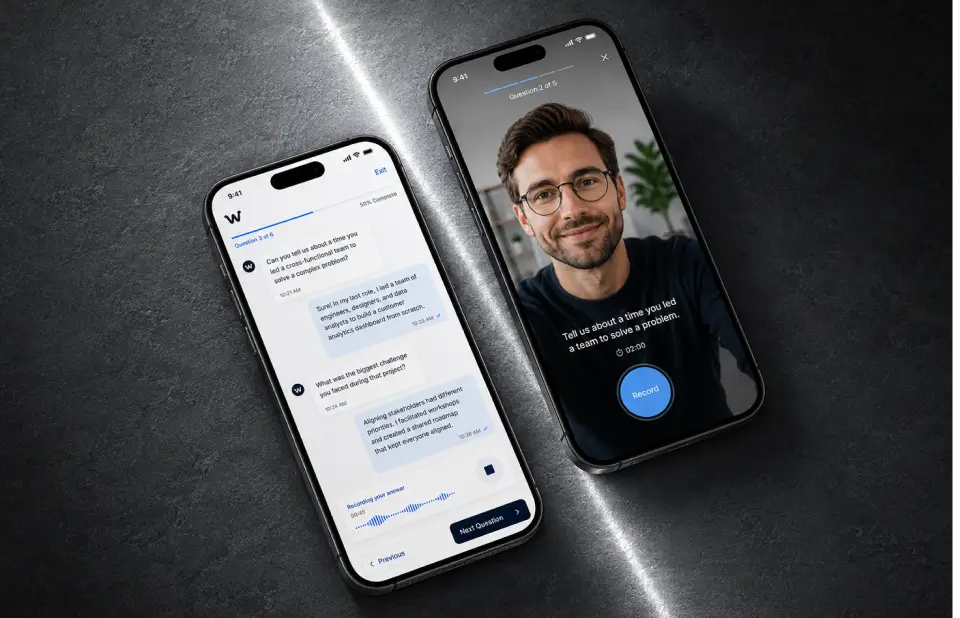
The candidate side got the opposite treatment. We built it as a conversation. A question arrives as a card in a thread, the answer posts underneath it with a timestamp, and the action sheet offers three things: record video, upload file, schedule meeting. A later refresh moved that screen to turquoise (#069f9a) on beige (#f4f1ed) with Poppins throughout, which reads far closer to a messaging app than to an exam room.
Small details carried real weight on candidate engagement and completion rates. A progress marker on every question so a candidate knows how many are left. Retakes allowed, but capped, so pre-recorded interviews stay comparable across applicants. A preview step before submission, because nobody sends a video of themselves without watching it back first.
Results
Before
- ✕20-minute phone screens booked one at a time, three to five emails per slot.
- ✕Roughly a third of calls rescheduled, with no-shows discovered on a silent line.
- ✕200+ applicants per opening, reviewed by whoever had calendar space that week.
- ✕Different questions in a different order for each candidate, scored from memory afterward.
- ✕No view of how many invitations turned into completed interviews.
After
- ✔40% faster hiring across companies running candidate screening on the platform.
- ✔9 days off the average time to hire against the phone-screen process it replaced.
- ✔Under 3 minutes to publish a job with its interview questions attached.
- ✔One shared thread where the whole hiring team sees the same answers to the same questions.
- ✔Invited-versus-received counts and a completion rate per job, on a seven-day filter.
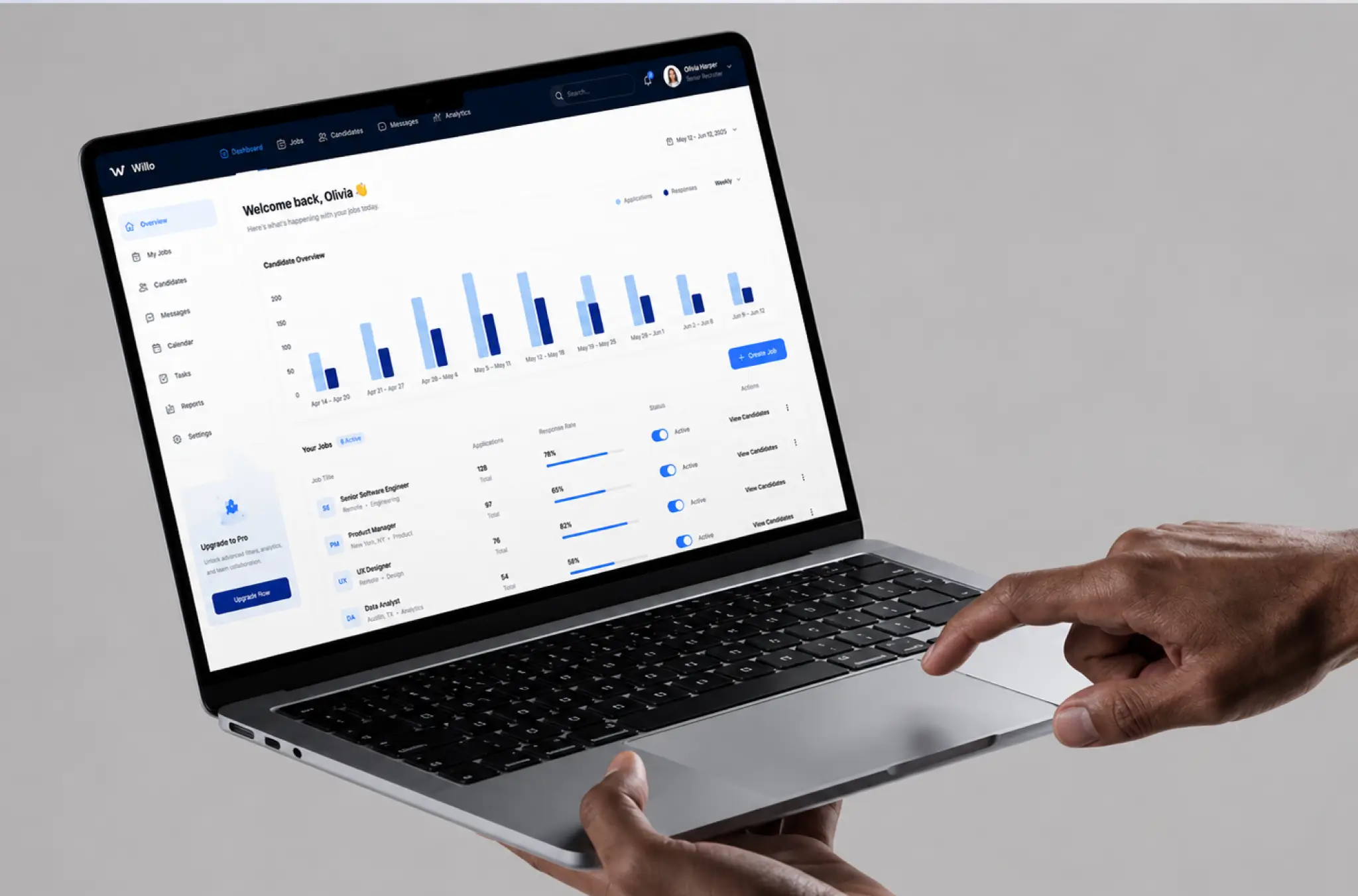
Impact of One Way Video Interview Software
Verified Reviews
Our Reputation in Software Development
LITSLINK holds a 4.8 rating on top platforms. Clients writing about our recruiting software work most often mention technical depth, steady communication across long engagements, and delivery that holds its dates.
Have an HR Software Project in Mind?
Building one-way video interview software for remote hiring, or running a hiring platform that has outgrown its first version? Tell us how your screening process works today, how many candidates pass through it each month, and which applicant tracking systems it integrates with. A LITSLINK specialist gets back to you within 48 hours.
Thank you for your message. It has been sent.