Fintechs and lenders generally come in with an operational problem and then ask for software as a second thought. Requests tend to fall into a few familiar categories.
Slow approvals are by far the most common. Docs come in by email, are processed in spreadsheets, so we've automated the intake process, run our affordability rules in the back end, and then each staff role has its own view.
Risk decisions come next. Fixed rule sets will get borderline cases wrong, and ML models trained on the client's own history will score them with a quality score every analyst can see.
Then there's data quality. In large ledgers, errors get buried until the quarterly review. Models that learn what 'normal' behavior is from historical transaction data will pick up on anomalies in the ERP data much earlier and will explain each one.
Trading venues have a performance issue in that orders have to match in milliseconds and balances have to be correct to the cent. That requires in-memory matching engines and a single shared ledger for reconciliation.
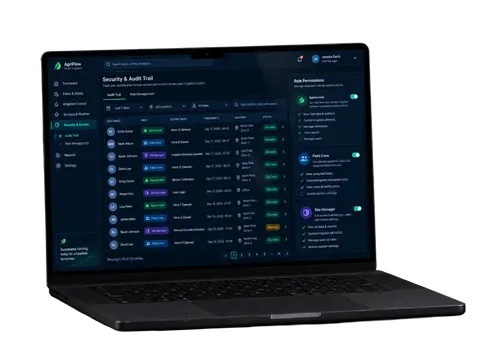
In the fintech software space, the language depends on the job. We're writing C++ or Go where latency is an issue, Python for the models, and Node.js for the APIs (all on AWS). Every regulated build comes with role-based access and an audit trail, as that's what the auditors want.