Agencies and tour operators live on conversations, and most of our work in this area is managing more conversations with the same team.
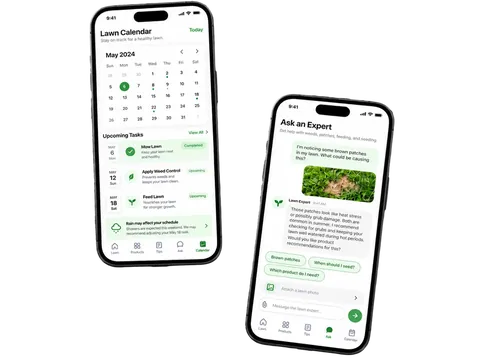
The first pressure is on the routine queries. People ask all the time about itineraries, changes, and prices, so the chatbot handles the standard ones and passes the more unusual ones to a human.
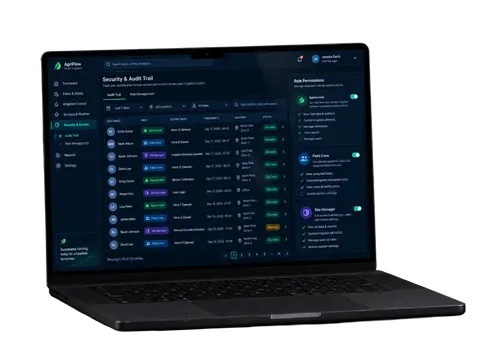
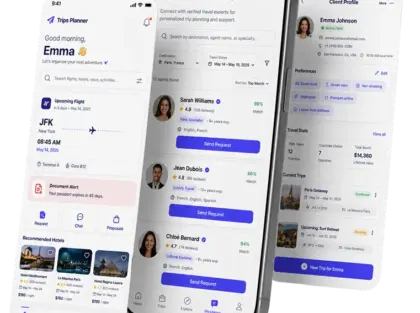
The second is the scattered client records. Agents will have trips in email threads and within spreadsheets until a booking just disappears. A proper CRM puts each client, each trip, and each task on one timeline, with a calendar the whole office can see.
The third is supply. Marketplaces need local providers as much as they need customers, so you need a separate workspace for each side and real-time location sharing once a booking is confirmed.
Under the hood, we use Flutter and React Native for our mobile apps, Ruby on Rails for the back end, and Dialogflow with custom language models for the chat. We integrate with our flight and hotel data sources in almost every build. Time zones, currencies, and patchy connectivity are the sorts of things you have to deal with in travel software, and you need to consider them from day one.