SMART HOUSE MANAGEMENT

Smart Home and IoT App Development Case Studies

1540+
Projects Delivered
16
Industries Covered
10+
Years of Experience
HIPAA / GDPR
Compliant Delivery

An irrigation valve, a lawn, a water line. Our smart home and IoT app development case studies are about software that looks after physical things like these, and about the homes around them.

Start your project

Showing 3 of 3 case studies

Case studies

DevOps Services for IoT

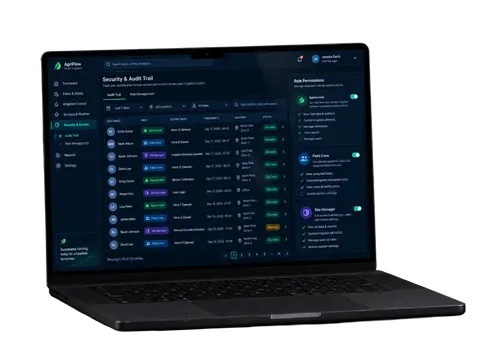
This irrigation management software gives agricultural operators one server-side platform to run every controller, valve, and sensor across multiple sites. Soil moisture, weather data, and crop type feed the watering schedules, so the irrigation system uses less water while crop health stays in view from a phone or a tablet.

  • iOS
  • Android
  • Web
View details

Auxi

Booking cleaning services for next Tuesday at 10 a.m. usually costs three text messages and a day of waiting. We built a house cleaning app that cuts it to about 90 seconds. Homeowners see verified cleaners with live availability, and cleaners fill empty slots without chasing anyone.

  • iOS
  • Android
  • Web
View details

Lawn Care App

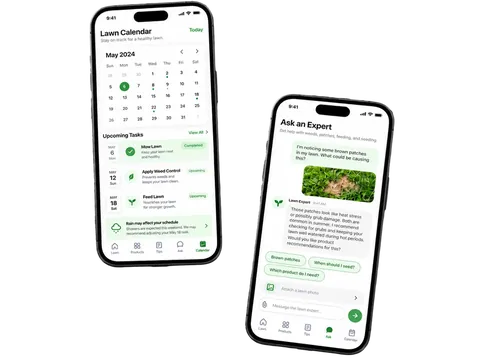
A US lawn and garden products company came to us with two native apps that cost too much to keep alive. We rebuilt them as one Flutter lawn care app that gives homeowners a personal lawn care plan and reminds them when to mow, feed, seed, and treat their lawn.

  • iOS
  • Android
View details

Some projects read sensors directly. Others organize the people who do the work, from cleaners to homeowners with a mower. LITSLINK builds both kinds for product manufacturers, home services companies, and agricultural operators.

Hardware adds a twist that pure software teams learn the hard way: the app is only as good as the weakest signal in the garden. This page is following the signal. It starts at the sensor and ends with the person holding the phone. Each case study appears where it sits on that path.

FOLLOW THE SIGNAL

IoT App Development from the Sensor to the Phone

It starts in the soil. In our irrigation management software project, soil moisture readings, weather data, and crop type feed the watering schedules for every controller, valve, and sensor across several sites. Agricultural operators run all of it from one server-side platform, and our role centered on DevOps for the IoT back end.

Next, a reading has to mean something. Water management software for a US smart home company, a related project from our ESG portfolio, reads live sensor data and tells within seconds if a home is drawing water, heating it, or leaking it.

Then the signal reaches a person. For a US lawn and garden products company, we rebuilt two native apps as a single Flutter lawn care app. It gives homeowners a personal plan and reminds them when to mow, feed, and seed. Operators on the irrigation platform follow crop health from a phone or tablet in the same way.

Sometimes the last step is another person at the door. Auxi is a house cleaning marketplace for iOS, Android, and the web where homeowners book verified cleaners with live availability, and cleaners fill open slots on their schedule.

Sensors report. People still decide when to water the roses.

BENCH VS FIELD

What Changes When Custom Smart Home Software Leaves the Bench

Device makers and service companies usually reach us with a product that works on the bench and struggles in the field. Four gaps explain most of it.

  • On the bench: a handful of controllers. In the field: many sites. We design the server side, deployment pipeline, and monitoring for growth from the beginning.
  • On the bench: raw sensor readings. In the field: an owner who wants a plain statement. Classification models say which appliance is running or where a leak has started.
  • On the bench: separate iOS and Android codebases. In the field: every change made twice. A single cross-platform app cuts that work and keeps the experience consistent.
  • On the bench: a booking form. In the field: a customer, a time slot, and a verified professional to match. Booking logic, identity checks, and job tracking run in one flow.

Our IoT teams are using Flutter for mobile, cloud backends with automated deployment and ML models for the sensor data. In the smart home app space, reliability is the feature that people mention as being the least important and yet the one they rely on the most.

4.8 Clutch 4.8 GoodFirms 4.8 Behance

Trusted by startups and enterprises across FinTech, Healthcare, Real Estate and more

Start building your dream project with LITSLINK today!

Talk to Our Experts