Sales teams ask for adoption first. A CRM full of fields is a real turn-off for new people, so we've added a conversational layer that answers questions and updates records with a single instruction. Prioritization then. Reps have loads of leads and very limited time in the day, so they need a scoring model that accounts for both fit and behavior to tell them where to start the day.
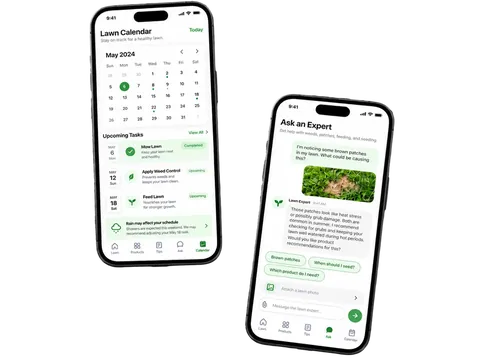
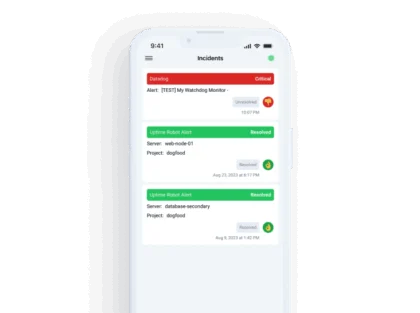
Operations teams want visibility. Guards, drivers, and technicians are out in the field, so mobile apps with digital reports and live location replace the paper logs and phone-ins.
Marketing and e-commerce teams are always asking for content at volume. You've got large product catalogs that need descriptions, tags, and search that understands intent, and that's exactly the sort of thing language models can do very well indeed under human oversight.
Under the hood, the stack is shared. We integrate with Salesforce, HubSpot, Jira, and the big e-commerce platforms, and we build in Python, Node.js, PostgreSQL, and Redis on AWS. In the world of CRM software, the integration is the product. A very clever model that exists completely outside of the day-to-day workflow is just going to sit there doing nothing.