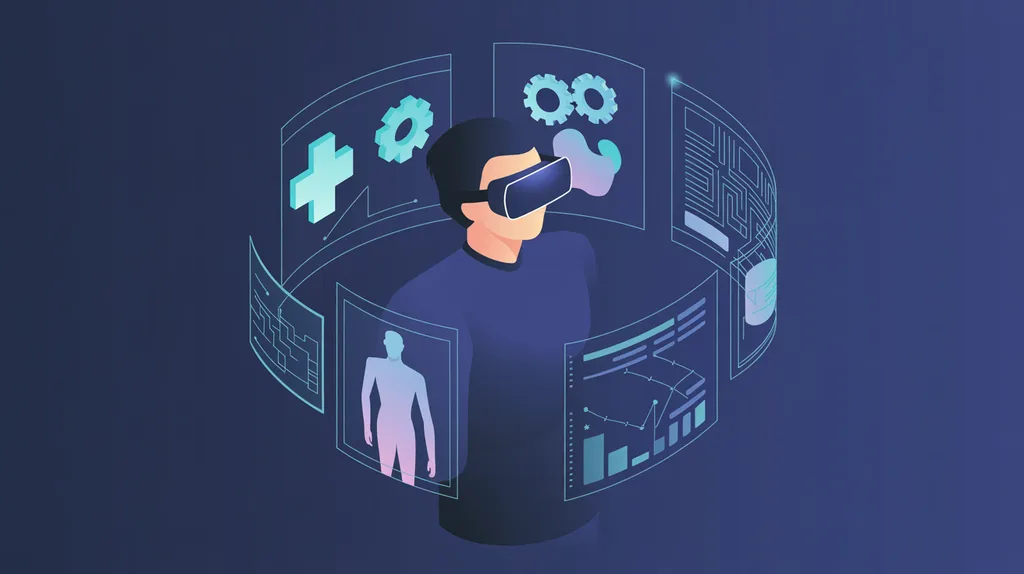
AI Agents in Healthcare: Help Medical Teams Work Faster and More Efficiently

LITSLINK helps healthcare organizations automate administrative tasks, including documentation, scheduling, and billing.

  • Custom healthcare agents
  • HIPAA compliance
  • 12+ years of healthcare software experience
  • MVP in 4-6 weeks
Want to discover more? Book a Consultation Today
Healthcare professional using an AI-powered medical data platform on a tablet

What Are AI Agents? A Simple Guide for Businesses

33 % Agentic AI is predicted to be included in 33% of enterprise software applications by 2028, up from 1% in 2024

Traditional AI technology, like chatbots on a scheduling page or a rules-based alert within an electronic health record, waits for input, then makes an output. This technology is incapable of planning, cutting across systems, or properly dealing with what comes next; it is just a tool in a workflow.

AI agents participate in the workflow by perceiving data, deciding, acting, and verifying. For an AI agent to function, multiple things have to work in unison. Large language models deal with understanding and generating text; a retrieval-augmented generation (RAG) system helps the agent fetch the latest domain-specific information, while API integrations and external tools allow it to connect to other systems.

So, a single AI agent could triage a query from patient data, update a patient record, flag a clinical risk, and notify the appropriate care team member — all uninterrupted, without human intervention. This is why agentic AI is predicted to be included in 33% of enterprise software applications by 2028, up from 1% in 2024.

Why Are AI Agents Becoming Essential in the Healthcare Industry?

Physician Burnout Crisis

41.9% Stat

According to the American Medical Association, 41.9% of physicians in 2025 reported at least one symptom of burnout, and administrative burden is a leading cause of stress in the healthcare industry. Thousands of hours are eaten up daily by mundane tasks, such as charting, prior authorizations, and inbox management, and modern healthcare practitioners are spending time doing them instead of practicing medicine. AI healthcare agents help decrease this level of stress by acting as intelligent digital assistants that are integrated into the EHR system.

Clinical Speed & Care

+17.6% Detect

In Germany, AI-assisted breast cancer screening programs showed a 17.6% higher detection rate of cancer compared to traditional screening methods. In a similar case, hospitals were able to reduce diagnosis time from 30 to 7 minutes in an AI-assisted stroke care program; those saved minutes translate to improved survival rates in acute clinical scenarios like a stroke or cardiac arrest.

Diagnostic Accuracy

Safety Net

Disease diagnosis used to rely entirely on medical professionals, and the cost of error could sadly mean a human life. A tired radiologist or an overworked emergency room physician in a high-stress and fast-paced clinical environment might easily miss subtle abnormalities in radiology images or labs. Today, AI-powered agentic predictive analysis helps in identifying dangerous conditions earlier, supports more accurate diagnosis, and improves treatment effectiveness. An AI agent can monitor patient data streams continuously without fatigue, thus serving as a non-stop diagnostic safety net.

Continuous Clinical Timeline

3 years early

Healthcare professionals depend on the patient’s own memory or recollections of their family members when trying to understand previous symptoms, diagnoses, and medical history. In emergencies or when dealing with multi-system illnesses, important details might be missed, which can be fatal. Intelligent agents can pull unstructured data from disparate hospital systems and other sources, like wearable devices, to build a continuous and holistic clinical timeline. A Mayo Clinic AI model was able to detect pancreatic cancer on CT scans up to three years before clinical diagnosis by identifying subtle structural abnormalities that had been overlooked by human radiologists.

How LITSLINK AI Agents Improve Healthcare Performance

When deployed within medical enterprise systems, AI agents can systematically automate the mundane tasks and help healthcare providers concentrate on patients and improve care quality. Let’s look at some of the value our AI healthcare agents deliver to healthcare providers.

An AI agent in healthcare can retrieve patient history and come up with a structured summary including relevant data like recent lab visits, medication changes, open issues from prior visits, etc. This helps a physician become familiar with the situation quickly and make a correct diagnosis. Studies show that doctors spend a significant portion of their time reviewing records for this kind of information before a consultation.

Moreover, AI agents possess the ability to read imaging data, like X-rays, MRIs, and CT scans, and raise alerts or refer patients for further evaluation. These smart healthcare agents can also suggest treatment options depending on the medical protocols, contraindications, and dosage calculations. The physician is still the decision-maker; the purpose of the AI agent is to ensure that the professionals receive clinical decision support through access to better information.

Agents also enable pre-visit patient questionnaires, which greatly improve clinical decisions. The agent can parse the responses from the patient and match them with historical EHR files to deliver a concise clinical brief to a professional, enabling them to get diagnostic questions right and choose an optimal treatment strategy.

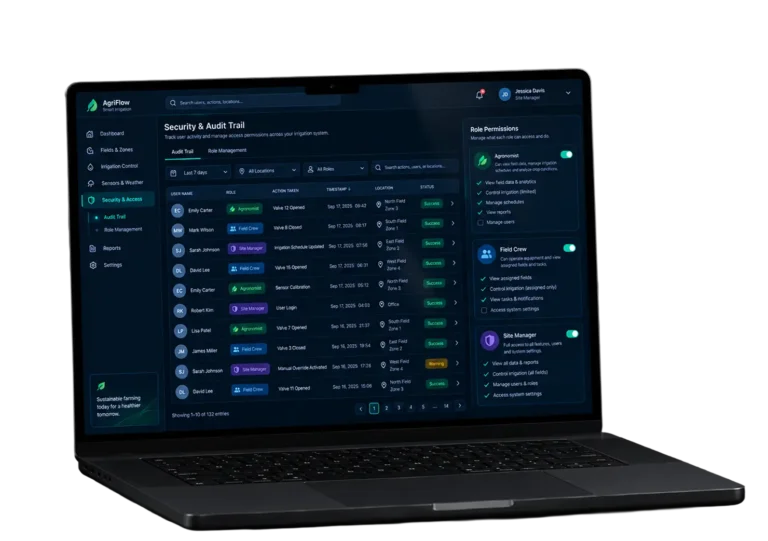
Administrative overhead expenses are some of the highest costs in any healthcare organization. Thanks to the power of AI agents in automating routine tasks like manual data entry and billing workflows, these costs can be significantly lowered. AI automation of repetitive processes in clinics, like patient registration and scheduling of appointments, reduces the administrative costs. You reduce the manual workload while maintaining the quality of the healthcare services.

AI agents in healthcare can track patterns of operations across a clinic or network of clinics and highlight where processes or the overall workflow can be improved. With this information, the healthcare management can make the necessary changes with the confidence of being guided by data.

Agentic AI can also go beyond these standalone tasks and analyze the whole system; it can identify structural bottlenecks and suggest optimization options.

We have shipped for sports tech startups, fitness coaching platforms, gym booking apps with geolocation and integrated payments, and applied computer vision for professional basketball, golf, and baseball. Each vertical has a different reporting hierarchy, a different compliance regime, and a different definition of “production-ready.” We know which is which before kickoff. So discovery doesn’t quietly stretch into month two.

Paperwork and documentation do not have to be a necessary evil in healthcare organizations. AI agents can do this work seamlessly and reduce the paperwork burden on healthcare providers. A 2025 study on AI-enabled ambient medical scribes showed that integrating the technology led to a reduction in documentation burden for 97% of respondents. Around 94% of clinicians reported lower cognitive load during patient visits.
Doctors who used to spend roughly 40 minutes on a patient and their paperwork have more free time for the actual examination, thanks to integrating AI agents.

AI agents can monitor clinical trial registries and notify physicians when an open clinical trial fits the profile of a specific patient, depending on their condition, history, and drug use from prior treatments. These AI agents can also scan the literature for publications, identify possible compound reactions, and highlight drugs that would have been overlooked via traditional screening methods. These systems have an immense potential to accelerate research timelines and quicken the discovery of life-saving treatments.

Ready to optimize your healthcare workflows?

Talk to our healthcare AI experts

Types of Healthcare AI Agents Built by LITSLINK

Conversational AI Agents

LITSLINK CORE AI

These include chatbots and virtual assistants that answer patient queries even after business hours. When the queries are beyond the scope of their operations, they escalate them to the medical staff. Conversational AI agents can be used for booking appointments, insurance queries, handling automated prescription refill requests, and providing ongoing chronic disease support.

These intelligent chatbots and virtual assistants are superior to rule-based scripts and can run multiple-turn dialogues with precision and a close-to-human level of empathy.

Our Reputation on Top Platforms

LITSLINK is recognized across leading industry platforms for delivering high-quality software solutions. See what clients and the design community say about our work.

Clutch B2B Ratings & Reviews

4.8

70+ reviews

Top Developer
GoodFirms Research & Reviews Platform

4.8

30+ reviews

Top Company
Behance Creative Portfolio Platform

Portfolio

Design projects

Featured Work

Our AI Agent Technology Stack

We pick tools based on what the problem needs, not what’s currently generating hype. That said, here’s the landscape we work across.

OpenAI (GPT-5, GPT-5.4), Anthropic Claude, Google Gemini, Meta Llama, Mistral – we’re model-agnostic and will recommend the right fit for your use case, cost profile, and data privacy requirements.

LangChain, LangGraph, CrewAI, Semantic Kernel, LlamaIndex, Microsoft AutoGen – framework selection depends on your agent architecture and workflow complexity.

Pinecone, Weaviate, Chroma, FAISS – for retrieval-augmented generation and knowledge management.

Apache Airflow, Prefect, Temporal – for reliable task scheduling and workflow management at scale.

AWS (Bedrock, SageMaker), Microsoft Azure AI, Google Cloud Vertex AI – full cloud provider expertise, with no lock-in to a single platform.

TensorFlow, PyTorch – for custom model development and fine-tuning when off-the-shelf isn’t enough.

GDPR, HIPAA, SOC 2, CCPA – built in from architecture through deployment. Encryption at rest and in transit, role-based access controls, and comprehensive audit trails.

Node.js, Python, FastAPI, Docker, Kubernetes – production-grade infrastructure for reliable agent deployment at scale.

Model-agnostic by design. We don’t lock you into a single provider. Our architecture lets you swap models as the landscape evolves — without rebuilding your entire system.

Our Healthcare AI Agent Development & Integration Process

We keep the AI agent development process practical and outcome-driven so that clinical teams see this value and leverage it.

Step 1 of 7

Strategy

LITSLINK begins by analyzing the workflow of an organization to figure out where the issues are, identifying where automation will have the best clinical and operational results. We create a roadmap that prioritizes the unique challenges found in your organization. For some, optimizing the documentation workflow will be the best starting point, while for others, it will be about automating patient communication and billing.

This step matters more than most clients believe. The most successful AI implementations are not necessarily the most technologically advanced; there was a clear idea about the problem that needed to be solved before building any technology.

Step 1 of 7

LITSLINK begins by analyzing the workflow of an organization to figure out where the issues are, identifying where automation will have the best clinical and operational results. We create a roadmap that prioritizes the unique challenges found in your organization. For some, optimizing the documentation workflow will be the best starting point, while for others, it will be about automating patient communication and billing.

This step matters more than most clients believe. The most successful AI implementations are not necessarily the most technologically advanced; there was a clear idea about the problem that needed to be solved before building any technology.

Step 2 of 7

The AI agent is set up according to the needs of the organization. Normally, the implementation of AI starts with the high-priority tasks that will have the biggest impact.

Step 3 of 7

The agents are trained on internal data (the health system’s own medical device records, workflow history, and operational data) and external data (clinical guidelines and research literature).

Step 4 of 7

The AI agent starts doing the work, like routing workflow between systems or taking requests, without requiring humans at each step of task execution. It measures its own accuracy, adjusts for shifting inputs, and integrates feedback from clinical staff to incrementally improve. In this phase, we monitor closely to detect edge cases before full-scale systems are deployed.

Step 5 of 7

Performance is measured with respect to the original objectives on a regular basis. New data, guideline revisions, and end-user feedback help keep accuracy and relevance continually high in a changing healthcare environment. An AI agent that does well on day 1 and never updates is a liability, and ongoing improvement is what maintains it as a benefit.

Step 6 of 7

Further, the AI agent can be seamlessly integrated with EHR systems, patient communication tools, scheduling systems, billing systems, etc.

Step 7 of 7

With LITSLINK specialists assisting at every stage, organizations can scale AI workflows beyond departments, more clinic locations, and new use cases. Usually, a system designed from the ground up on scalable infrastructure can be ready for larger deployment in weeks.

How LITSLINK AI Agents Are Used in Healthcare

Explore how LITSLINK AI agents are transforming healthcare organizations across a wide range of use cases.

Patient Health Data Analytics & Risk Detection

With sufficient data, predictive AI healthcare models incorporate features such as age, gender, geography, lifestyle factors (e.g., local pollution), and genomics to predict the risk of disease with remarkable accuracy.

Healthcare AI systems are trained using large data sets with patterns of biomarkers over time, enabling AI agents using this data to identify at-risk patients before a potential crisis event. Insurers and healthcare systems use these agents to design tailored prevention programs for certain population risk groups.

AI-Assisted Treatment Planning

Patients have unique physiological profiles that often render standardized treatment models inefficient; this is where AI agents step in to provide personalized treatment plans unique to each patient. The treatment planning itself is the reconciliation of patient-specific data against clinical protocols, drug history, comorbidities, and the latest clinical research.

For example, AI agents can go through tons of pharmacological data to determine the required drug dosage, which maximizes efficiency and eliminates the risk of dangerous drug-to-drug interactions.

Remote Patient Monitoring

These AI agents operate using devices such as wearables, which monitor continuous data streams like heart rate, blood glucose, oxygen saturation, sleep patterns, blood pressure, and report on abnormal results that raise a red flag. For example, in post-discharge monitoring, the period immediately after a hospital stay represents a time of high risk of readmission, and healthcare AI agents can be used to monitor the patient remotely 24/7.

Diagnostic Support

They can process lab results, imaging data, patient history, and current medical literature all at once, which leads to improved diagnostic accuracy. An AI-driven study at the Mayo Clinic revealed that an AI model caught the early markers of pancreatic cancer up to three years before a clinical diagnosis. The AI did this by picking up a tiny observable indicator on the CT scan that was below the threshold for human detection during a standard read.

Drug Discovery

AI agents simultaneously search chemical compound libraries, clinical trial registries, demographic data, and published research to find new medications for various diseases. An AI agent can highlight a potential treatment for a disease in instances where human researchers might dismiss it due to a lack of observable data points.

By monitoring open trial registries over time and matching them with a specific patient’s profile, AI agents can notify clinicians when an eligible trial is available. This can save time for patients who could be getting experimental treatment, and also for research organizations that need to meet enrollment targets without searching thousands of records manually.

Administrative Tasks Automation

AI agents usually deliver their fastest ROI on routine administrative work, which has become a headache for both healthcare organizations and personnel. Agents manage appointment scheduling, process prescription refill requests, deal with onboarding documents for patients, respond to billing questions, and collect satisfaction feedback after visits autonomously.

This allows the healthcare staff at care facilities to shift from manual repetitive tasks to quality time with patients. The hours that were absorbed by appointment reminders and insurance verification can be allocated to more productive work.

Electronic Health Records Automation

Agents can write visit summaries for clinicians, update EHR records during and after consultations, and manage the follow-up administrative tasks for every patient. For example, instead of spending 15 minutes after a patient visit to document notes, a clinician can review and approve a draft created in less than two minutes.

Virtual Assistants for Ongoing Health Needs

AI healthcare agents can handle queries in between doctor visits or patient interaction throughout the various steps of care, such as guidance on symptoms, medication refill reminders, and tracking the health of patients. These smart AI solutions are used by clinics, healthcare networks, and insurance providers, and patients can enjoy a 24/7 engagement layer without the need for having people on standby. With an AI assistant, an inpatient who makes a query about discharge instructions at 9 pm can receive an accurate response in a matter of seconds.

AI Agents for Care Coordination

This is where AI in healthcare work stops being just a collection of features and instead becomes an operational system. Imagine a patient coming through the emergency department, where different agents handle their specific domains. The orchestration layer arranges things in a sequence and controls what each agent gets to work on and when.
This kind of systemic coordination helps limit the manual input that creates delay and error for healthcare organizations with complex workflows occurring across multiple departments or facilities.

Mental Health Support

AI-powered mental health applications can play a large role in the first stages of treating depression and anxiety. They provide the person with initial support before they go to a mental health specialist for further treatment. Clinical therapy is not replaced by an AI healthcare agent; the model helps providers focus their attention on patients who require the most immediate intervention. AI-backed tools form a first layer of care that ensures patient engagement, instead of them possibly reacting to a situation too late.

Are you interested in integrating AI mental health tools in your organization? Have a project in mind?

Send a request, and we will help you explore AI-powered solutions that fit your organizational workflows. Have a Project in Mind?

Healthcare AI Agent Case Study: App for Organizing and Optimizing Medical Shifts

Healthcare AI

App for Organizing and Optimizing Medical Shifts

The Challenge

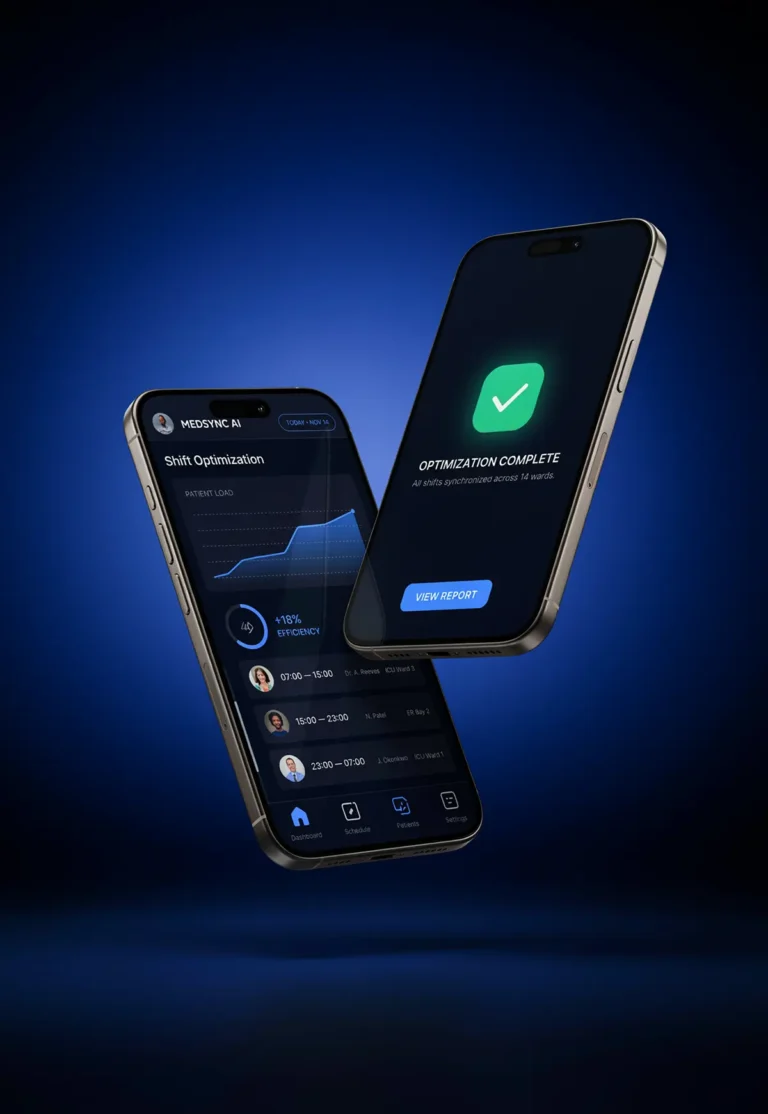
One of the projects we undertook involved a healthcare provider that approached LITSLINK with a need for a shift management system. The provider had been managing the workflow manually, and the cracks, such as handoff inconsistencies and disconnected patient data systems, were beginning to show.

The Solution

LITSLINK developed an automated AI-powered shift management application that let clinicians register patients, track their conditions and treatments, flag special cases, and seamlessly transfer full patient profiles between teams at shift change. The MVP was completed in 8 weeks.

The Impact:

  • 8 weeks to MVP
  • 99.6% crash-free session rate
  • 12 clinics onboarded at launch

As a result, the workflow was completely redesigned to ensure that a single record system provides consistent patient information across all staff members. The app unified patient onboarding and registration, treatment history, lab results, and other important information in one flow. Every team member received a shared source of truth they could fully rely on.

Read Full Case Study
Healthcare workflow automation app optimizing medical staff schedules

LITSLINK’s Vision for the Future of Healthcare AI Agents

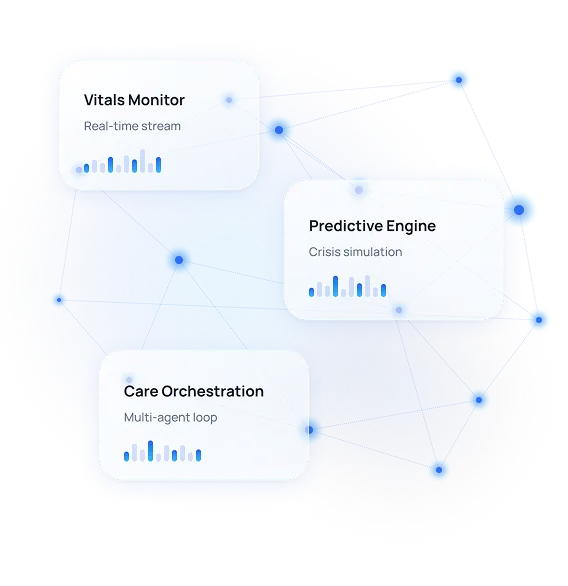
Many current agents are event-driven. However, for the next generation of agents, there will be no waiting for triggers; they will operate continuously in real time and be proactive rather than reactive. Imagine an agent that monitors a patient’s vitals, cross-references them against current medications and recent lab trends, and notifies the care team before a reading reaches a critical threshold.

Instead of asking a doctor for a historical chart summary, agents in the future will maintain a synthesis of every patient’s data and update the patient profile immediately as new data points emerge. These systems can serve as omnipresent nervous systems throughout the medical enterprise while running 24/7 background simulations to anticipate crises in medicine before a single human clinician can notice a thing.

In the future, the scope of what AI agents in healthcare will be trusted to handle will also expand. Their role will grow but remain constrained by clinical rules, governance policies, and human oversight. Strong governance frameworks addressing safety, transparency, cybersecurity, and responsible AI use will be essential in guiding the new era of clinical and operational workflows. Operational planning of complex projects will herald a new era of agents where they will be at the center stage of medical processes. The critical medical decisions will always have a human somewhere in the loop to ensure that the agents only propose and organize while the licensed professional validates the results and issues commands.

AI healthcare system connecting real-time vital monitoring, predictive analytics, and care orchestration

Transform Patient Experiences With LITSLINK AI Agents

Modern medical enterprises stand to gain the most from the integration of AI agents in their organizations, and this is where LITSLINK comes in. We develop customized AI-powered solutions that assist clinicians in communicating with patients, documenting medical records, automating workflows, making predictions, and processing healthcare data securely. These agents do all this while being compliant with the industry’s strongest cybersecurity standards.

Infrastructure Integration

LITSLINK helps hospital networks, clinics, and healthcare startups seamlessly integrate agentic AI into their system infrastructure.

Operational Efficiency

These agents operate in the background to drastically improve patient satisfaction, while providers are relieved from repetitive work that affects their operational efficiency.

Intelligent 24/7 Delivery

The healthcare AI agents we develop transform healthcare delivery from a disjointed collection of manual tasks into a unified and intelligent ecosystem that operates autonomously 24/7.

How Much Does It Cost to Build a Healthcare AI Agent?

The total AI development cost depends on the complexity and integration requirements of the system. We break down our pricing into three transparent tiers

Starter

Simple Task-Specific Agent

Ideal for localized automation like basic triage chatbots or single-document parsing engines

$40,000 – $120,000

Get a Quote
Enterprise

Multi-Agent Enterprise System

Advanced, orchestrating layers built for hospital networks and enterprise platforms requiring collaborative, autonomous agent ecosystems

$81,000 +

Get a Quote

Frequently Asked Questions

Straightforward answers to the five questions every healthcare organization asks before commissioning an AI agent.

The first and crucial step is identifying the operational and clinical workflows where AI-powered systems would provide the highest value. You can leave your contact details with us, and LITSLINK specialists will audit your existing infrastructure and identify where personalized agentic AI solutions can be integrated in your business.

We use an agile development method that ensures transparency and an exceptionally fast time-to-market, even for enterprise-grade systems. The first working proof of concept (PoC) typically takes about 4-6 weeks to be delivered.

Data privacy and security features are engineered directly into the core architecture from the very first line of code, never patched on at the end of the development lifecycle. Our systems feature strict role-based access controls (RBAC) and immutable, comprehensive audit trails that record every single system action. We build healthcare AI systems with fully HIPAA- and GDPR-compliant architectures, strictly adhering to the highest modern security standards, including SOC 2 certification and CCPA compliance.

1 Custom Healthcare AI Solutions We do not offer rigid, one-size-fits-all products. LITSLINK builds fully customized AI agents engineered around your specific operational rules for scheduling, clinical communication, automated documentation, and predictive analytics. 2 Continuous Improvement Our agents utilize advanced machine learning optimization loops and continuously learn from daily user interactions, clinician corrections, and new data streams. This makes your operational workflows faster and more accurate over time. 3 Scalable Infrastructure We build systems leveraging containerized, cloud-native architectures. Whether you are a localized startup clinic or a massive national healthcare network managing millions of daily patient interactions, LITSLINK’s infrastructure expands dynamically to support your growth without a single dip in system performance.

Have a project in mind?

If you’re evaluating AI agent development services and want to discuss specifics about your use case, constraints, and a realistic path forward, we’d like to hear from you. Our team reviews every inquiry and responds within 48 hours.

Next steps

1

LITSLINK specialist reviews your request and contacts you to discuss the details

2

If needed, we sign an NDA before moving forward

3

We send a project proposal – estimates, timeline, and team CVs included

4

After launch, we stay on for any updates your product needs

Tell us about your project

You can upload files. Maximum 3 files, 3 MB per file. Formats: doc, docx, pdf, ppt, pptx.

Drag & Drop Files Here or 0 of 3
    Litslink icon