REAL ESTATE & PROPTECH

Real Estate Software Development Case Studies

1540+
Projects Delivered
16
Industries Covered
10+
Years of Experience
HIPAA / GDPR
Compliant Delivery

These real estate software development case studies pick up where most pitches would end, with what the client achieved as a result of the launch. The projects are all around rental management apps and virtual tour platforms, which are tools that landlords and agents use on a day-to-day basis. The common thread is that they're all about reducing the number of manual steps for the landlord and the agent.

Start your project

Showing 3 of 3 case studies

Case studies

App for Landlords and Tenants

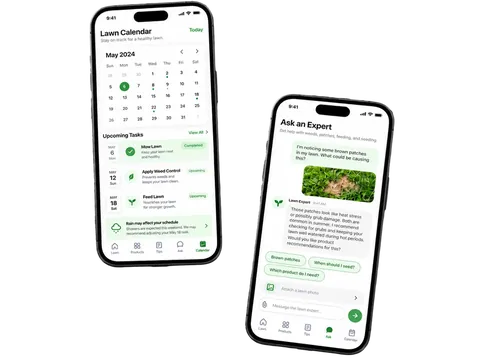
LITSLINK turned a standalone Finnish rental calculator into Rentfol.io – an app for landlords and tenants that combines property listings, in-app messaging, document storage, and tax-ready expense tracking in one cross-platform product.

  • iOS
  • Android
View details

App to Track Rental Income

1,000+ Finnish landlords now file their property taxes from a phone instead of a spreadsheet. Our client asked LITSLINK to make that shift possible — and we built the rental income tracker app for iOS and Android that did it.

  • iOS
  • Android
View details

LITSLINK builds custom real estate software for proptech companies, brokerages and property managers who have outgrown spreadsheets and generic listing tools. Each real estate case study below sets out the business problem, the product we shipped, the technology behind it, and the figures the client measured afterward. Some of the work is glamorous. Most of it is tax logic and camera firmware.

Read the project closest to your own plans, then tell us what you're building.

WHAT WE BUILD

Real Estate App Development for Rental Platforms and Virtual Tours

Our real estate app development work covers two product types so far.

First is rental management. For Rentfol.io, a six-person LITSLINK team took a Finnish rental calculator and turned it into a marketplace with separate roles for landlords, tenants, and service providers. React Native provided the one codebase for iOS and Android. The API is built on Ruby on Rails and PostgreSQL and runs on AWS. Role-based permissions were introduced in sprint two, which then, of course, saved everyone a lot of patching later. The rental income tracker that came before it is on the same stack, stores the receipt images in Amazon S3 and bills the subscriptions via Apple StoreKit and Google Play Billing.

The second is remote property viewing. For Skyward, a US proptech company, we built a virtual reality app for real estate: an iOS app that pairs with RICOH THETA V and Z1 cameras over Wi-Fi, a React.js portal for buyers and a dashboard for agents. Unity and WebGL render the panoramas. Firebase pushes each finished tour to its listing within seconds.

Every project ran in two-week sprints with a working build at the end of each. Tax rules and hardware quirks show up early that way, while they're still cheap to fix.

Brokerage, listing, and property management builds are covered on our custom real estate software development page.

INDUSTRY EXPERTISE

Common Real Estate Business Problems and How Custom Software Solves Them

Real estate companies come to LITSLINK with different products and a familiar set of problems. After more than ten years of client work across web and mobile, we see the same four again and again.

The first is a case of fragmented administration. Rent, outgoings, contracts, and receipts all live in different tools, so we've brought them all into one platform with tax-ready reporting as standard.

The second is trust. A listing only works if both sides trust it, which is why verified profiles and role-based access are in the first version.

The third is time spent on showings. Virtual tours and in-app applications let buyers and renters qualify themselves before an agent drives anywhere.

The fourth is local rules. Tax and compliance logic changes from one country to the next, so we keep it in a separate module. A new market then means new rules, while the rest of the product stays as it is.

In real estate software development, the big idea is usually the easy bit. The nasty edge cases in a tax form are the ones that take longer. Our analysts will map those out during discovery, prior to any screen being built, and the stack is then fairly straightforward: one cross-platform codebase for iOS and Android, a cloud back end, and then integrations with maps, 360s, and app store billing.

4.8 Clutch 4.8 GoodFirms 4.8 Behance

Trusted by startups and enterprises across FinTech, Healthcare, Real Estate and more

Start building your dream project with LITSLINK today!

Talk to Our Experts