For regulated AI products, security and governance need to shape the architecture from the start. We design AI systems around the data, access, deployment, and compliance requirements of each use case.
When sensitive data needs to stay within a controlled environment, we can deploy private AI infrastructure on the client’s cloud or on-premises environment, with architectures designed to minimize third-party data exposure. We can also build documented PII flows and technical controls that support GDPR, HIPAA, and other applicable privacy requirements.
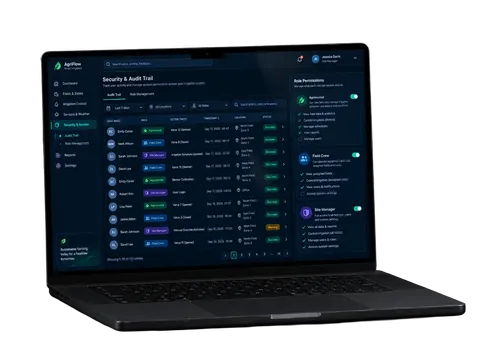
For organizations preparing for security reviews or SOC 2 assessments, we can implement access controls, audit logging, model monitoring, and documentation aligned with the relevant security and governance requirements. The exact controls depend on the model, data, deployment environment, and regulatory context.
For regulated use cases, model governance can include evaluation records covering test results, known limitations, data sources, monitoring requirements, and approval responsibilities. This gives internal compliance teams and auditors a clearer record of how the system was developed and evaluated.
For products operating in the EU, we can assess the intended AI use case against applicable EU AI Act risk categories during discovery and work with the client’s legal and compliance teams to translate those requirements into technical controls and documentation. The earlier those constraints are identified, the easier they are to build into the product.