





Sports Software Development Services: AI & Wearable Integrations | LITSLINK
Custom sports software development for clubs, fitness chains, leagues, and sports tech founders. We build high-performance platforms engineered for seamless wearable integration, ultra-low latency data, predictive injury modeling, and sustained member retention.
- 65+ sports and fitness products shipped
- 50+ AI features shipped for sports and fitness clients
- 12+ years in custom software development
- Average MVP shipped in 3–4 months, full platform in 5–9 months

WHY LITSLINK FOR SPORTS
LITSLINK: Custom sports software development company that understands your business
Domain expertise across sports and fitness verticals
We have shipped for sports tech startups, fitness coaching platforms, gym booking apps with geolocation and integrated payments, and applied computer vision for professional basketball, golf, and baseball. Each vertical has a different reporting hierarchy, a different compliance regime, and a different definition of “production-ready.” We know which is which before kickoff. So discovery doesn’t quietly stretch into month two.
Full-cycle delivery: architecture, design, development, QA
Five phases, clearly defined. Discovery and workshop (1–2 weeks) to lock scope, integrations, and architecture. UI/UX prototyping (2–3 weeks) to validate the flow before any backend work begins. Agile sprints (typically 2 weeks each) running in parallel mobile, backend, and frontend tracks. QA on iOS, Android, and web, plus load testing for live concurrency where the product calls for it. Launch to App Store, Google Play, and production cloud, then ongoing support. Most clients ship in 3–6 months. Hardware projects take longer.
Compliance and data security for athlete and user data
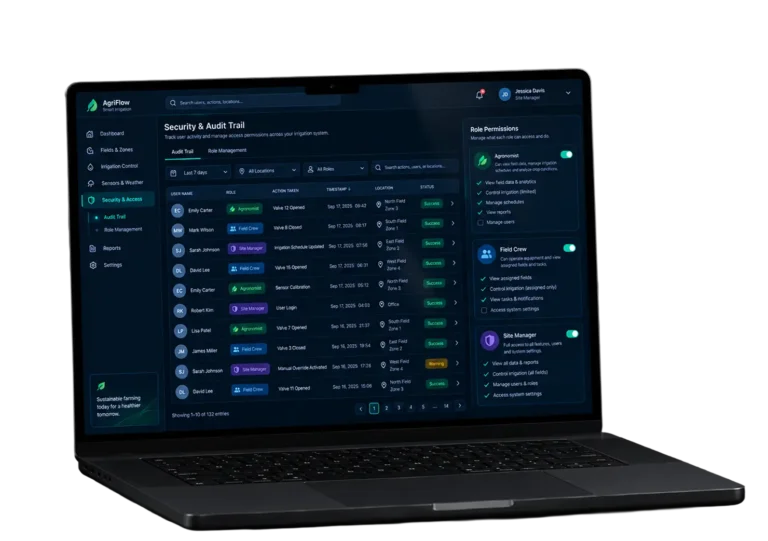
HIPAA-ready architecture for sports medicine and athlete medical records. GDPR by default for EU users. SOC 2-aligned engineering practices for clients heading into enterprise sales. PCI-DSS where ticketing, merch, or memberships are in scope. COPPA applies when an academy product serves minors. On the engineering side: encryption at rest and in transit, role-based access mapped to actual operational roles, and immutable audit logs for sensitive actions. We treat athlete biometric data the way the NFLPA expects it.
Built for game-day load
We design for the 30-minute window when a hundred thousand fans want the same play replayed, the same goal celebrated, and the same stat sheet refreshed. The patterns that matter: read-replica fan-out for hot data paths, CDN-cached static manifests for video, edge-deployed game logic where latency budgets are tight, and queue isolation so a backed-up notification service doesn’t stall the live score feed.
OUR SPORTS SOFTWARE DEVELOPMENT SERVICES: FROM DISCOVERY TO LAUNCH
Our sports software development services: from discovery to launch
One team, one build, full ownership from discovery to launch. Here is what we deliver for sports and fitness businesses.
Custom Web & Platform Engineering
League management portals, multi-tenant admin systems for fitness chains, federation CRMs, and high-traffic sports media platforms. Built for 100,000+ concurrent users on Java, Python, Node.js, React, PostgreSQL, and Kafka. We pick the stack for the workload.
Key outcomes
- 100K+ concurrent users with sub-second response times on game day
- One admin panel that scales from 1 to 40+ locations
- Cross-domain data unified across broadcast, sponsors, payments, and athletes
Native & Cross-Platform Mobile Development
Training apps that work offline in the gym basement, fan apps that survive a viral moment, IoT-paired apps for connected gear. Our custom mobile app development services cover native applications for Apple and Android devices, cross-platform builds using Flutter or React Native, and watchOS apps. We hit 60 fps on the screens that actually matter (workout timers, live stats, video review) and do not over-engineer the screens that don’t.
Key outcomes
- 60 fps performance and offline-first behavior on the screens that matter
- Shared API and business-logic layer across iOS, Android, and Web — React Native for mobile, React or Next.js for the web frontend permissions
- App Store and Google Play submissions handled end-to-end, including TestFlight beta
Sports IoT & Wearable Integrations
Garmin Connect, Apple HealthKit, Fitbit, WHOOP, Polar, Oura, Strava, plus BLE-paired sensors and smart gym equipment. Real-time biometric pipelines on AWS IoT Core with time-series storage, or aggregator APIs (Spike, Terra, Vital) when per-vendor integration cost is unfavorable. Lock the device protocol in week two.
Key outcomes
- 99.9% uptime on real-time biometric pipelines
- Eight wearable APIs unified in one normalized data model
- Firmware, cloud, and mobile aligned from day one
Legacy Software Modernization
Pro leagues, federations, and chain gyms running 2014 stacks: Perl, Ext JS, .NET monoliths that ship every May without complaint. We strangler-fig the monolith one bounded context at a time, migrate to AWS, GCP, or Azure, and rebuild the frontend without breaking operator muscle memory. The old system keeps running until the new one is verifiably better.
KEY OUTCOMES
- Zero downtime migration to modern microservices
- One bounded context is replaced at a time, so operations never lose a day
- Cloud migration with CI/CD and observability rebuilt for current standards
Sports and fitness software projects we have delivered
Five projects across athlete merchandise, fitness coaching, gym operations, and applied computer vision for pro sports.
Champions: Sports Fan App
The Challenge
Mid-tier athletes had two bad options for monetizing their fanbase. Sign with a merchandise agency that took 30–50% of sales. Or stitch together a digital presence across Instagram, YouTube, a separate e-commerce store, and a third-party streaming tool. Fans had no single place to support a local athlete, and athletes had no way to connect content, audience, and merchandise into one revenue stream.
The Solution
The team shipped Champions on iOS, Android, and web from a shared React Native mobile codebase and a React web frontend, both consuming the same Node.js + GraphQL API. The platform combines an athlete-controlled merchandise storefront, on-demand and live video, and athlete profiles with fan discovery. That GraphQL layer returns a full athlete profile in a single query, so the app loads live merch availability, recent videos, and upcoming events without the round-trip lag a REST stack would have introduced.
The Impact
- 35%+ increase in merchandise conversion vs. third-party redirect links
- 4+ separate athlete tools replaced by one unified dashboard
- iOS and Android launched to App Store and Google Play, web app deployed to production — all three in ~7 months

Nutralete: Nutrition Monitoring
The Challenge
Personal trainers and fitness coaches had no efficient way to support an unlimited number of clients on personalized macro plans. Diet planning was manual. Follow-up was inconsistent. And recurring revenue was structurally hard to build when every client required hours of one-on-one work. Nutralete needed an intelligent platform that scaled the coach’s work without diluting the coaching itself.
The Solution
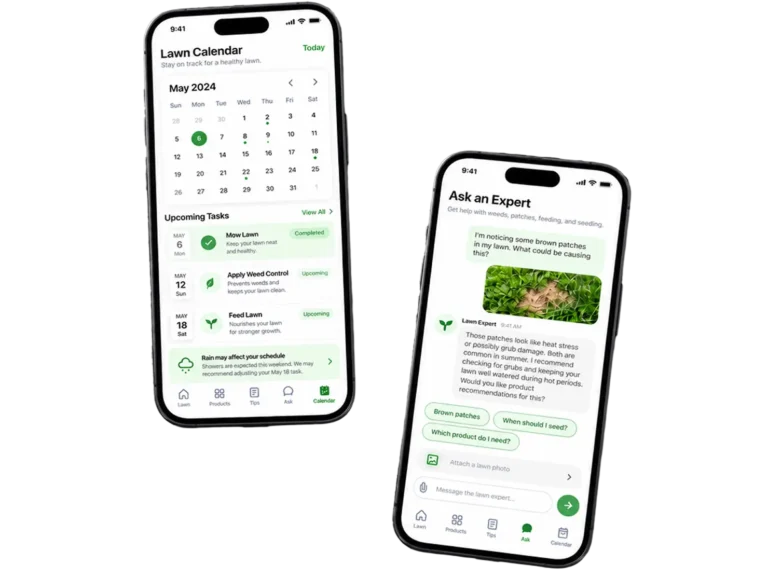
We built a cross-platform macro-tracking product for both sides of the coaching relationship. Coaches create diet plans and set personalized calorie and macronutrient targets. Clients track meals via barcode scanning, log weekly body measurements, and follow per-day goal variations. The system learns from the user’s measurement data and adjusts targets automatically, so the coach’s plan stays accurate without the coach redoing the math every week.
The Impact
- Coaches support an unlimited number of followers from one workflow
- One timeline linking nutrition, training load, and Adaptive macro targets recalibrated from weekly weight and body-measurement inputs
- Ongoing partnership with Nutralete on additional products after the original launch

Gym Booking App
The Challenge
Gyms and fitness studios wanted to attract new members through smartphones, but the existing experience was friction at every step. Long contracts. Induction sessions. Mandatory administrator interaction. No easy way to find a nearby facility at a fair price. The client needed iOS and Android apps that turned “I want to work out today” into a single tap, with payments and access settled inside the app.
The Solution
LITSLINK delivered custom fitness software development services to ship native iOS and Android apps with a unified user model and an integrated payment system. Users locate nearby gyms, fitness studios, and sports pools on a geolocation map, compare daily and monthly pass options with a best-price guarantee, and book without contracts, administrators, or induction. Cancel anytime. The team built to Google Play Store requirements for Android distribution from day one.
The Impact
- Geolocation discovery of nearby gyms, studios, and sports pools on a single map
- Best-price guarantee search across multiple facilities with daily or monthly pass options
- Stably growing user base across facility types, from corporate gyms to old-school bodybuilding clubs

Virtual Basketball Coach
The Challenge
Professional basketball coaching staff spent hours reviewing game and practice footage manually, looking for gesture and action patterns worth coaching on. The team needed a computer vision platform that recognized player movements in real time, compared them against a gold-standard reference, and gave coaches the analytical layer that elite tennis and football have had for years.
The Solution
LITSLINK delivered AI and computer vision development services to build a virtual assistant for tracking and analyzing professional basketball games. The system runs real-time pose recognition and gesture/action detection from video, then compares each player’s movement against a gold-standard reference set. The model stack runs on TensorFlow GPU 2.3, Python, and OpenCV, with production deployment on Google Cloud Platform. The product is positioned for professional players and analytics staff, not consumer training.
The Impact
- Manual video analysis replaced with real-time pose detection – coaches get answers during practice, not the next morning
- Per-player movement comparison against a gold-standard reference
- Production CV deployment on Google Cloud Platform, built for the pro game
Sportsbox: Golf and Baseball Motion Analysis
The Challenge
Coaching golf and baseball mechanics traditionally required in-person instruction, expensive launch monitors, or a multi-camera studio setup. Players couldn’t get precise, immediate feedback on swing posture and movement patterns without booking a session with a pro. Sportsbox needed a phone-based platform that delivered the analytical quality of an in-person lesson on iOS and Android, for two sports at once.
The Solution
We built 2D and 3D motion models for golf and baseball on iOS and Android — the platform watches a player move, breaks it into keypoints frame by frame, and tells them what to fix in real time. Where labeled training data was too expensive to collect at scale, a semi-supervised learning pipeline fills the gap for the 2D Keypoint Detection Model. Coaches get their own workflow: training-plan creation, drill assignment, 3D motion review, and live feedback on a player’s session. The whole ML system runs in Docker containers on GCP and Kubernetes, so model updates ship without touching the app release cycle.
The Impact
- 2D and 3D motion models shipped across two sports, golf and baseball
- Real-time corrective feedback on swing, posture, and movement patterns
- Production MLOps stack with Docker containerization and GCP/Kubernetes deployment

Sports and fitness software for every business model
Most clients combine two or three of these product types into one platform. Read on to see the practical functionality of each category and the measurable ROI it delivers in production.
Gym Management Software Development
Class schedules, member CRM, trainer payroll, equipment upkeep, and multi-location billing rolled into one system. The kind of platform where a regional manager opens a single dashboard at 7 a.m. and knows exactly which location is underperforming before the first class starts.
- Cut scheduling conflicts by up to 40%
- Automate billing across memberships and drop-ins
- Run 10+ locations from one dashboard
Team & League Management Software
Rosters, fixtures, standings, referee assignments, stats, and financial reporting — the full season lifecycle on one platform instead of a shared drive full of spreadsheets. Built so the league admin, club secretary, and broadcast partner all pull from the same data without reconciling anything by hand.
- Replace spreadsheet-driven season workflows entirely
- Publish live standings and stats automatically
- Handle referee and venue assignments in minutes
Tournament Management Software & Event Platforms
Draws, brackets, live scoring, officiating tools, broadcast scheduling, and fan-facing info pages. We build for the kind of load where a 256-team bracket updates in real time and the bracket never needs a manual fix at 11 p.m. the night before the quarterfinal.
- Run 256-team brackets without manual corrections
- Sync live scores to broadcast and fan apps
- Sell tickets and manage credentials in one place
Athlete Performance Analytics Software & Dashboards
GPS vest data, video sessions, EMR records, RPE questionnaires, and wellness check-ins unified in one coach-facing view. The conditioning coach plans Monday’s session from a single screen — not from four browser tabs and a group chat.
- Merge GPS, video, and medical data in one view
- Flag injury risk before symptoms appear
- Give coaches one screen for session planning
Fitness Tracking & Personalized Training Software
Workout logging, plan generation, progressive overload logic, and wearable sync. The real test is whether a new user finishes week one — that is where most fitness apps lose them, and that is the problem this product type exists to solve.
- Sync workouts with Garmin, Apple Health, Fitbit
- Auto-adjust training load week over week
- Push day-7 retention past the industry average
Custom Software Development for Fitness Studios and Gym Chains
Branded mobile apps, online booking, hybrid memberships with on-demand video libraries, and the billing logic that handles trials, pauses, family plans, and franchise rev share without manual workarounds. IHRSA data consistently shows that gyms with a branded digital experience retain members at significantly higher rates than those relying on third-party apps alone.
- Launch a branded app on iOS and Android
- Support hybrid in-studio and on-demand memberships
- Lift renewal rates with in-app engagement
Injury Prevention & Recovery Management Software
Daily wellness screening, cumulative training load tracking, return-to-play protocols, and EMR integration. Integrated AI systems cut reinjury rates by 23%. The clubs that invest here spend less time reacting and more time preventing.
- Track return-to-play protocols digitally
- Integrate with EMR and wearable data feeds
- Reduce reinjury rates with predictive load models
Recruitment & Scouting Platforms
Player databases with video tagging, structured scouting reports, agent communication tools, and cross-league comparison filters. Built so a scout files a complete evaluation from the airport, not from a laptop at HQ on Monday morning.
- File scouting reports from any device, anywhere
- Tag and compare player video across leagues
- Share shortlists with coaching staff in real time
Fan Engagement Platforms & Broadcasting Solutions
Live streams, second-screen companion apps, in-play predictions, polls, watch-and-bet overlays, and sponsor activations. Fans who regularly use a club’s digital products tend to spend roughly two-thirds more per season than those who don’t. The business case writes itself; the engineering is the hard part.
- Launch second-screen experiences for live events
- Monetize fan attention with sponsor overlays
- Integrate watch-and-bet feeds for licensed markets
Sports CMS & Content Management Platforms
Article publishing, video asset management, multi-rights syndication, and social distribution — all from one editorial backend. The media team publishes a long-form match report and a clipped highlight package inside the same 20-minute window after the final whistle.
- Publish articles, clips, and highlights from one CMS
- Syndicate content across rights holders automatically
- Cut post-match turnaround to under 20 minutes
Smart Stadium & Venue Operations Software
Ticketing, mobile ordering, indoor navigation, security dashboards, and energy management are tied together under one ops layer. Concourse queues get shorter, the food and beverage team knows where the bottleneck is in real time, and the operations director finally has a single view of the entire venue.
- Reduce concourse wait times on game day
- Unify ticketing, F&B, and security on one platform
- Monitor venue operations in real time
Load Management Software & Health Parameters Tracking
RPE, sleep quality, HRV, acute-to-chronic training load ratios, and soreness scores piped into the strength-and-conditioning plan. The point is early warning: coaches spot a player drifting toward overload three days before it becomes an injury, not three days after.
- Catch overload risk days before injury hits
- Integrate HRV, sleep, and RPE in one timeline
- Align S&C programming with real recovery data
Nutrition Guidance & Stress Management Apps
Macro tracking, meal planning, mindfulness modules, sleep hygiene tools, and recovery education content. The goal is daily-use behavior — not the weekly check-in that most wellness apps settle for — because daily engagement is the single strongest predictor of long-term retention.
- Drive daily app opens, not weekly check-ins
- Personalize meal plans to training load and goals
- Bundle nutrition, sleep, and stress in one experience
WHO WE WORK WITH
Custom software development for the sports industry: who we serve
Gain a measurable competitive edge with software built exclusively to solve your unique operational bottlenecks. Explore the distinct segments of the sports industry we support.industry we support.

Sports clubs, academies & professional teams
You sit on more data than you can use: GPS vests, video, EMRs, performance questionnaires, scouting notes. We unify it into one athlete view, build the scouting CRM, ship the fan app, and quietly retire the seven spreadsheets nobody admits to using.

Fitness studios, gym chains & wellness centers
As a fitness software development company, we build the branded mobile app, the class booking flow, the hybrid on-demand library, and the billing engine that handles trial-to-paid, pauses, family plans, and franchise rev share without manual fixes.

Sports leagues, federations & tournament organizers
You need scheduling, officiating, broadcast distribution, and integrity tools that work the same way the day before the final as they did during preseason. We have delivered federation work before (including the HMBIA federation in Switzerland), modernized legacy systems, built live data layers, and integrated Sportradar, Stats Perform, or Genius Sports cleanly with whatever you run today.

Sports tech startups & product companies
You have a hardware-software-cloud-mobile alignment problem and a deadline. We’ve seen the protocol decision made in week two cost a third of the budget by year two; locking it early is the easiest money you’ll ever save. We do MVP work, full builds, and team augmentation when your in-house roadmap is one engineer short.

Sports media, fan platforms & entertainment companies
Sub-5-second live latency. Second-screen sync. Personalized recommendations on a unified fan profile. SVOD, AVOD, PPV, and sponsor integrations that don’t fight each other for the same ad slot. We build the OTT layer on Amazon IVS, Mux, JW Player, or Brightcove, depending on where you are headed.

Sports medicine organizations
You need a HIPAA-compliant EHR/EMR for athletes, return-to-play workflows, telemedicine, and interoperability with strength-and-conditioning and wearables. We build to the Teamworks Sports EMR benchmark or replace it where the workflow demands custom logic. For projects centered on athlete medical records and clinical care, explore our healthcare software development services.
CLIENT REVIEWS
What clients say about partnering with LITSLINK
Founders consistently use the word “partner,” and clients on Clutch describe LITSLINK as patient but persistent, and willing to push back on a decision when it’s the wrong one.
WHY CUSTOM
Why custom sports software outperforms off-the-shelf tools
Ready-made platforms were built for the average gym, the average league, the average product, five years ago. Your business is none of those things. Custom sports software development is the answer for operators who hit the limit of what generic tools can do, and the buyers who plan for that move from day one save the most money getting there.

Built around your workflows
Core advantageOff-the-shelf forces your operations team to match the software. Custom flips that. The booking flow follows how your trainers actually sell drop-ins. The medical record matches how your physios actually document a return-to-play. The scout report fits how your director of football actually wants the data laid out. It is not a settings page; it is the product.

Full data ownership
You own the data, the model weights, the analytics layer, and the integrations. No vendor lock-in waiting to surprise you at renewal. When the NFLPA established that athlete biometric data belongs to the athlete, plenty of off-the-shelf vendors were unprepared. Custom sports tech solutions get this right by default.

Flexible monetization
Subscriptions, drop-ins, PPV, athlete tipping, sponsorship overlays, federation dues, NIL revenue splits. Custom fitness software development services let you pick the model and we build the rails. You are allowed to change your mind in year two. We expect it.

Growth headroom built in
Generic platforms cap you at the vendor’s largest tier. Custom is designed for your year-three traffic, not your day-one traffic. We architect for 10x the load you have now and document where the wall is when you get there. (Knowing where the wall is matters as much as moving it.)

Compliance control
HIPAA, GDPR, PCI-DSS, SOC 2, COPPA, where minors are involved. Custom means the architecture is configured for the audits you actually face, not the compliance posture a platform vendor designed for everyone at once. Sports medicine, athlete data, payment flows — each gets its own treatment.

Connected product experience
One auth, one fan profile, one analytics layer across mobile, web, kiosk, and wearable. No “log in again” between products. No three separate data lakes for the marketing team to reconcile every quarter.

Competitive differentiation
The feature that wins your next 10,000 members is probably not one any platform vendor will build for you. It is the feature you have an opinion about. Custom software development for the sports industry is the only way to ship the thing your competitors can’t copy on Monday.
LITSLINK custom vs. ready-made tools
TECHNOLOGY
Tech stack for sports and fitness software development
Your technical requirements dictate our choice of tools. Still, years of shipping production code have refined our go-to architecture. Here is the engineering stack we trust to scale.
Java (Spring), Python (FastAPI, Django), Node.js, Go. PostgreSQL, MySQL, MongoDB. Kafka, RabbitMQ. Redis for caching. TimescaleDB and InfluxDB for biometric time-series. Perl in the legacy modernization corner, because the federations we modernize sometimes still run it.
React.js, Next.js, TypeScript, Vue, Angular. Ext JS, where we are modernizing older admin tools without ripping out the muscle memory of the operators who use them. Tailwind, Storybook, and design systems built to your brand.
AWS, Google Cloud, Azure. Docker, Kubernetes, Terraform. CI/CD on GitHub Actions or GitLab. Observability on Datadog, Grafana, or OpenTelemetry. We build the deploy pipeline the same week we start writing code, not the last week.
HIPAA-compliant architecture for athlete medical data. GDPR by default. SOC 2-aligned controls. PCI-DSS where payments are in scope. SSO via Okta, Auth0, or custom IdP. Audit logs that don’t lie about what happened. Role-based access is designed around how the operations team actually works, not how a generic auth template assumes it does.
Model-agnostic by design. We don’t lock you into a single provider. Our architecture lets you swap models as the landscape evolves — without rebuilding your entire system.
AI technologies in sports software development
Here is a look at the production-ready AI capabilities we regularly engineer for enterprise sports software development.

Athlete Performance Analytics, AI, Machine Learning & Predictive Modeling
Coaches and S&C staff sit on more data than they can read: GPS vests, video, wellness questionnaires, sleep, HRV, scouting notes. We build the models that turn that pile into one decision per athlete per day — is this player at elevated injury risk, who is trending toward overload, who is ready for a higher session intensity. Gradient-boosted ensembles and time-series models trained on your data.

Analytics Tools & Computer Vision for Real-Time Video Analytics
The applications most US sports clients want: automated highlight clips for social, semi-automated officiating for college and high-school leagues, swing or shot-form analysis from a phone, and play-by-play tagging that used to take an intern eight hours. Our stack: PyTorch and TensorFlow for model training, OpenCV for the vision pipeline, YOLO and ByteTrack for player and ball detection, ONNX or TensorRT when the model has to run on the sideline iPad instead of in the cloud.

Voice AI, NLP & Hands-Free Training Interfaces
Athletes’ hands are busy. Coaches’ hands are busy. The product that wins is the one you can talk to. We can build voice-driven workout logging on Apple Watch, hands-free queries from a GPS vest or chest strap, real-time transcription for post-game press conferences, and natural-language search over scouting libraries. It is one of the highest-adoption AI features we ship because the friction it removes is real.

AR & VR Immersive Experiences for Training and Fans
Pro teams have used VR for quarterback reads and pitch tracking since the mid-2010s. The difference now is that the hardware is cheap enough and the engines (Unity XR, Unreal, ARKit, ARCore, Apple Vision Pro) are mature enough to build products, not demos. We build both sides: VR training environments for athletes and AR fan experiences (live stat overlays, second-screen sync) for game day.

AI Chatbots for Coaching, Fan Support & Engagement
Three places chatbots earn their keep: ticket support during the chaos before a game, member onboarding for fitness chains that hire-and-quit a thousand new members a quarter, and personalized fan chat that surfaces a player’s stat line without making the user dig for it. We ground the chatbot in your live sports-data feed with retrieval-augmented generation, so it does not hallucinate a final score or a fixture that does not exist. For fitness chains, our fitness AI agents can handle class bookings, update member records, and automate follow-up messages.

Wearable & IoT Device Integrations
Heart rate, HRV, SpO2, GPS, accelerometer, IMU, glucose, sleep stages, and stride length. WHOOP, Garmin, Apple Watch, Polar, Oura, Catapult, Fitbit, plus BLE-paired custom sensors when the off-the-shelf hardware does not fit. The integration is the easy part; the data engineering is what takes work. We normalize the streams into one model and set up the cloud pipelines (AWS IoT Core, MQTT, Timestream, InfluxDB) so biometric data lands in seconds. This infrastructure is core for any product that ties wearables to a training plan or a coach dashboard.

Gamification Mechanics for Fitness Retention
Fitness apps lose most users in the first 30 days. The fix is rarely a new feature; it is the social and progression layer. We build the engagement loop alongside the core product, instrument retention at day 1, day 7, day 30, and day 90, and tune the loop from real data instead of best-guess copy. Sports tech solutions live and die on retention, and gamification is no longer a nice-to-have — it is the retention layer itself.
INTEGRATIONS
Third-party integrations for sports and fitness platforms
The integrations below are the ones we ship most often. None of them is “drag and drop”. They are real engineering, and the differences matter.

Wearable Devices & Fitness Trackers
- Garmin Connect Activity API, Wellness API, webhook delivery
- Apple HealthKit on-device store, ~150 data types, per-type permissions
- Fitbit Web API OAuth 2.0; Google is migrating Fitbit data flows toward Health Connect
- Strava API rate-limited; 100 requests per 15 minutes, 1,000 per day
- WHOOP, Polar AccessLink, Oura, Health Connect on Android. Aggregator APIs Spike, Terra, Vital

Payment Processing & Subscription Billing
- Stripe Subscription billing
- Stripe Connect Multi-party splits · NIL payouts
- Stripe Identity KYC verification
- Braintree · PayPal Broader consumer reach
- Adyen Enterprise omnichannel
- RevenueCat In-app subscription management
- Ticketmaster · AXS Cleeng · InPlayer · PPV: Cleeng Ticketing-side integration
- Stripe Connect NIL and athlete payouts

Video Streaming & Broadcasting APIs
- Amazon IVS Sub-5-second live latency at scale
- Mux Live + VOD + built-in analytics
- Wowza Hybrid self-hosted deployments
- JW Player · Vimeo OTT · Brightcove D2C OTT product
- Twitch Esports streaming
- LL-HLS · LL-DASH Ultra-low-latency broadcast feeds
- WebRTC <500ms interactive moments

Sports Data Providers & Live Score Feeds
- Sportradar 65+ leagues · ~1M events/year
- Stats Perform / Opta OptaAI Studio · FIFA betting partner
- Genius Sports NFL NGS · exclusive through 2029
- SportMonks 2,300+ football leagues · dev tiers
- API-Sports / API-Football 2,000+ competitions · 12 sports
- LSports Sportsbook depth
TYPES OF COOPERATION WE OFFER
Cooperation models for sports software development
Most US clients start in one model and shift to another mid-project. We expect that, and the contracts allow for it.
The scope is locked, the budget is locked, the timeline is locked. You know exactly what you are paying and exactly what you get. It works best for MVPs of a sports app, discovery sprints, or a clearly bounded build (a coach dashboard, a single-vendor wearable integration, a federation portal redesign). The trade-off is flexibility: change requests mid-project mean a new contract. That is a feature, not a bug, if you are a first-time founder or you need finance to sign off on a number that does not move.
Best for
- TEAM SIZE
- 2–5
- DURATION
- 2–6 months
- PRICING MODEL
- Fixed total
- WHEN TO CHOOSE
- Scope is locked, and timeline is tight
You pay for actual hours logged. The team works through a prioritized backlog you control, and you can reshuffle priorities sprint by sprint as the product learns from real users. Most of our long-running fitness software development services engagements run on T&M after the discovery sprint. It is the right model when the roadmap is going to change — which, for sports tech startups and growth-stage product teams, is most of the time.
Best for
- TEAM SIZE
- 3–8
- DURATION
- 3–12 months
- PRICING MODEL
- Hourly / per sprint
- WHEN TO CHOOSE
- Scope will evolve as you learn
A team of engineers, designers, and QA who work only on your product, full time, as if they were your in-house unit. Same standup time, same Slack channels, same code review standards. We have run dedicated teams for federation and league clients for multi-year engagements, including the HMBIA work in Switzerland. It is the right call when the product is the company, and the company is going to need engineering capacity for years, not months.
Best for
- TEAM SIZE
- 4–10
- DURATION
- 6+ months
- PRICING MODEL
- Monthly, per team
- WHEN TO CHOOSE
- You need a stable long-term team
SPORTS TECH READINESS CHECK
Is your sports or fitness software production-ready?
Run through this checklist to find gaps in your current or planned sports platform — security, integrations, performance, compliance, and user retention. Download the full PDF guide with expanded recommendations for each item.
- Athletes, coaches, medical staff, operations, and admins each have a clearly defined role with the right permissions, no more
- Sensitive actions (medical record edits, payment changes, scout report exports) are logged with an immutable audit trail
- SSO is in place for staff, MFA for anyone touching athlete data
- Offboarding revokes access in under 24 hours
- Athlete biometric and medical data is encrypted at rest and in transit
- Explicit consent is captured per data type, not buried in a terms-of-service checkbox
- Right-to-delete and right-to-export work end-to-end, not just on paper
- Athlete data ownership matches NFLPA-style precedent: the athlete owns it, not the platform
- The average user completes the core action in under 90 seconds
- Retention is measured at day 1, day 7, day 30, and day 90 separately
- Gamification mechanics (streaks, segments, leaderboards) are wired to actual usage data, not vanity metrics
- The branded mobile app does something a SaaS competitor’s stock app cannot
- The system is load-tested at 5x expected peak, including game-day spikes
- Real user monitoring is in place on streaming, live data, and payment paths
- A backed-up notification service does not stall the live score feed
- Postmortem culture exists, and the last three incidents have written ones
- Wearable integrations (Garmin, Apple Health, Fitbit, WHOOP, Polar, Oura, Strava) are documented with rate limits and fallback behavior
- Payment processing (Stripe, Braintree, RevenueCat) handles trial-to-paid, pauses, refunds, and chargebacks
- Sports data feeds (Sportradar, Stats Perform, Genius Sports) fail gracefully when a provider goes dark mid-game
- One-vendor failure is isolated, not cascading across the platform
- The HIPAA scope is defined, and the architecture matches it for any sports medicine workflow
- GDPR consent and data-handling flows are in place for EU users
- PCI-DSS scope is reviewed if tickets, merch, or memberships are sold in-platform
- COPPA applies and is handled if minors use the product (academy and youth sports)
- NIL and athlete-data ownership are addressed explicitly in user agreements
Download the PDF: Sports & Fitness Software Readiness Checklist
COST & TIMELINES
How much does custom sports software development cost?
Cost depends on scope, integrations, team composition, and timeline. The ranges below are practical starting points, not quotes.
MVP for a Sports or Fitness App: budget & timeline
For founders validating with real users before raising or scaling.
$40,000 – $120,000
3–4 months
- One platform (iOS or Android, or web)
- 8–12 core features, one or two integrations (a wearable, a payment processor)
- Analytics
- App store launch
Best for: Founders validating with real users before raising or scaling.
Get a QuoteFull Platform for Leagues, Clubs, or Gym Chains
For operators with a real business already running who need software that fits the way they actually work.
$150,000–$500,000+
5–9 months
- Web admin plus mobile
- Full billing and subscription engine,
- 4–6 integrations
- Role-based access
- Full analytics
Best for: Operators with a real business already running who need software that fits the way they actually work.
Get a QuoteEnterprise & AI-Powered Sports Software
For federations, pro teams, sports media, and well-funded sports tech companies shipping into pro and enterprise accounts.
$500,000 – $2M+
8–18 months
- Custom AI/ML + computer vision
- Real-time pipelines + OTT streaming
- SOC 2 / HIPAA · multi-region
- Dedicated team
Best for: Federations, pro teams, sports media, and well-funded sports tech companies shipping into pro and enterprise accounts.
Get a QuoteFAQ
Frequently asked questions about sports software development
It depends on what slows you down. A fitness app MVP with one wearable integration and Stripe billing ships fast. Add a second wearable vendor with a different BLE protocol and you just added three weeks. Computer vision models need training data collection before a single line of inference code runs. OTT builds stall on DRM licensing conversations that have nothing to do with engineering. The honest range is 3 months for a focused MVP to 18 months for an enterprise platform with AI, but the timeline is set by the hardest integration, not the feature count.
Yes. iOS, Android, Flutter, React Native on the mobile side. React, Next.js, Vue, Angular on the web. Most of our clients ship a mobile-first user app and a web admin in the same project, with a shared API.
Yes. Garmin, Apple Health, Fitbit, WHOOP, Polar, Oura, Strava on the wearable side. Sportradar, Stats Perform, Genius Sports, SportMonks, API-Sports for live data. Stripe, Braintree, Adyen, RevenueCat for payments. Amazon IVS, Mux, Wowza, JW Player, Brightcove for streaming. If you tell us your current stack on the first call, we can usually tell you which integrations are clean and which are going to be the headache before we sign anything.
Discovery and product strategy. UX and UI design. Backend, frontend, mobile, and DevOps engineering. AI/ML, computer vision, and IoT where the product calls for it. QA, security review, and compliance setup. App store and production launch. Post-launch support and the inevitable round-two roadmap.
HIPAA-aligned architecture for sports medicine. GDPR by default to any EU user data. SOC 2-aligned engineering for clients moving into enterprise sales. PCI-DSS where payments are in scope. Role-based access, immutable audit logs, encryption at rest and in transit, and a data-deletion workflow that actually deletes the data.
Ready-made software is faster and cheaper to start. Custom software fits your actual workflow, owns its own data, and stops costing you renewal fees that scale with your user base. Most operators we work with started with ready-made, hit the limit somewhere between year one and year two, and moved to custom. The ones who plan for the move from day one save the most.
Yes. We offer Service Level Agreements covering uptime, response time, bug fixing, security patching, and ongoing feature work. The handoff is structured: documentation, runbooks, knowledge transfer, and a defined support window. After that, you decide whether to keep us on retainer or run it in-house.
Scope (number of features and platforms). Integrations (wearables, data feeds, payments, streaming). AI and computer vision depth. Compliance scope (HIPAA, SOC 2, PCI-DSS adds engineering and audit cost). Team composition (more senior engineers, faster delivery, higher monthly burn). Timeline (compressed timelines cost more per week). And the one nobody likes: how clean the existing system is, if any, that the new platform has to talk to.
Have a sports project in mind?
Tell us what you’re building, what you’re stuck on, or what your last vendor got wrong. We will respond within one business day with a real human and a calendar link, not a templated reply. First call is 30 minutes. No sales pressure, no commitment.
Next steps
A LITSLINK specialist reviews your request and contacts you to discuss details
If needed, we sign an NDA before moving forward
We send a project proposal: estimates, timeline, and team CVs included
After launch, we stay on for any updates your product needs
Thank you! Your request has been sent — our team will get back to you within 48 hours.
Related Articles

How Much Does it Cost to Develop a Fitness App in 2026?
Key Takeaways: The cost of a fitness app design ranges from $25,000 to $1 million, depending on the type of app. In 2026, the…
10 min read
8 Best Fitness Mobile App Development Companies in USA for 2026
Key Takeaways: Top fitness app development companies in the USA are defined by deep understanding of the niche, compliance following, and third-party integration. The…
13 min read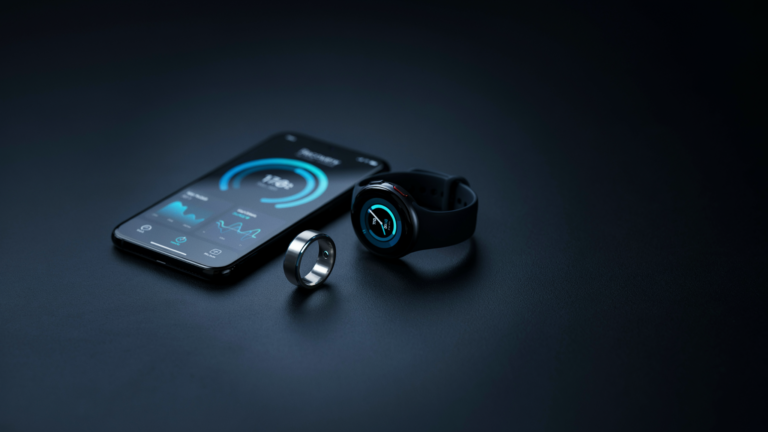
How to Create a Fitness App in 2026: What Nike Training Club Gets Right and What Next-Level Apps Add
Key Takeaways Health and fitness app installs grew just 0.8% in 2025 (3.96 billion), while in-app purchase revenue grew 13% to $4.5 billion. Google Fit…
24 min read