



How We Delivered NFT Marketplace App Development for Content Creators
- $0 → ~$210K paid out to creators in the first quarter after launch
- 31,000+ NFTs minted in the first 90 days across two blockchain networks
- 0.7% failed NFT transactions, with royalties enforced on every resale
A blockchain-based social network where photographers, musicians, and writers post photos, video, audio, and text, then sell any of it as an NFT for crypto and earn a royalty on every resale. This NFT marketplace app development project took a stalled codebase to a live app in 9 months.
Project Details
A US digital asset startup had spent 14 months with another development company and still had no way for users to sell anything. They needed an NFT marketplace development company to take over the React Native code, add minting, trading, and crypto payments, and ship before the runway ran out.


Business Challenge: NFT Marketplace App Development for Digital Creators
The client’s brief had four lines: speed up the development process, fix the architecture, add NFT functionality, and redesign the UI so the app could ship. Blockchain technology sat in the pitch deck, and the wallet button did nothing. Three problems sat under those lines.

Secure Smart Contract Architecture
Every sale, transfer, and royalty split runs on smart contracts nobody can patch after deployment. One reentrancy bug in a marketplace contract puts every listing at risk, so the contracts had to be audited before any feature work.

Multi-Chain Marketplace Integration
Buyers on Ethereum expected mainnet provenance. Buyers on Polygon expected transaction fees measured in cents. Supporting both blockchain networks meant one order book and one wallet flow across two chains.

Creator Economy at Platform Scale
The client projected 5,000 creators posting daily within a year. Feed queries, IPFS uploads, and NFT transactions had to hold at that volume, and the old build produced six-second loads at 300 users.
Technology Stack Behind the NFT Marketplace App


Our NFT Marketplace Development Solution
One question shaped the architecture: what has to be on-chain? Ownership, sales, transfers, and royalties, because digital ownership is the point of an NFT marketplace. Feeds, follows, search, and media stayed in the backend, because nobody wants to pay gas to scroll. It was a custom split, not a template build. That split kept the blockchain development work small enough to audit and the app fast enough to feel like a normal social network.
NFT contracts are commonly built in Solidity or Rust; here, Solidity fit the stack and release plan. Roughly 2,100 lines, 96% test coverage, and a third-party audit whose seven findings were closed in sprint 5; for context, audit services for marketplaces like this typically run about $15,000 to $50,000. Lazy minting decided the economics: the NFT is minted in the same transaction as the first purchase, so listing costs the creator nothing, and a Polygon mint averaged about two cents. As a full-cycle mobile app development company, we also rebuilt the feed from a six-second load to about 1.1 seconds at ten times the user count. Our NFT marketplace development services covered the contracts, the app, the Next.js web version, QA, and the store release.
NFT Minting and Creation Tools
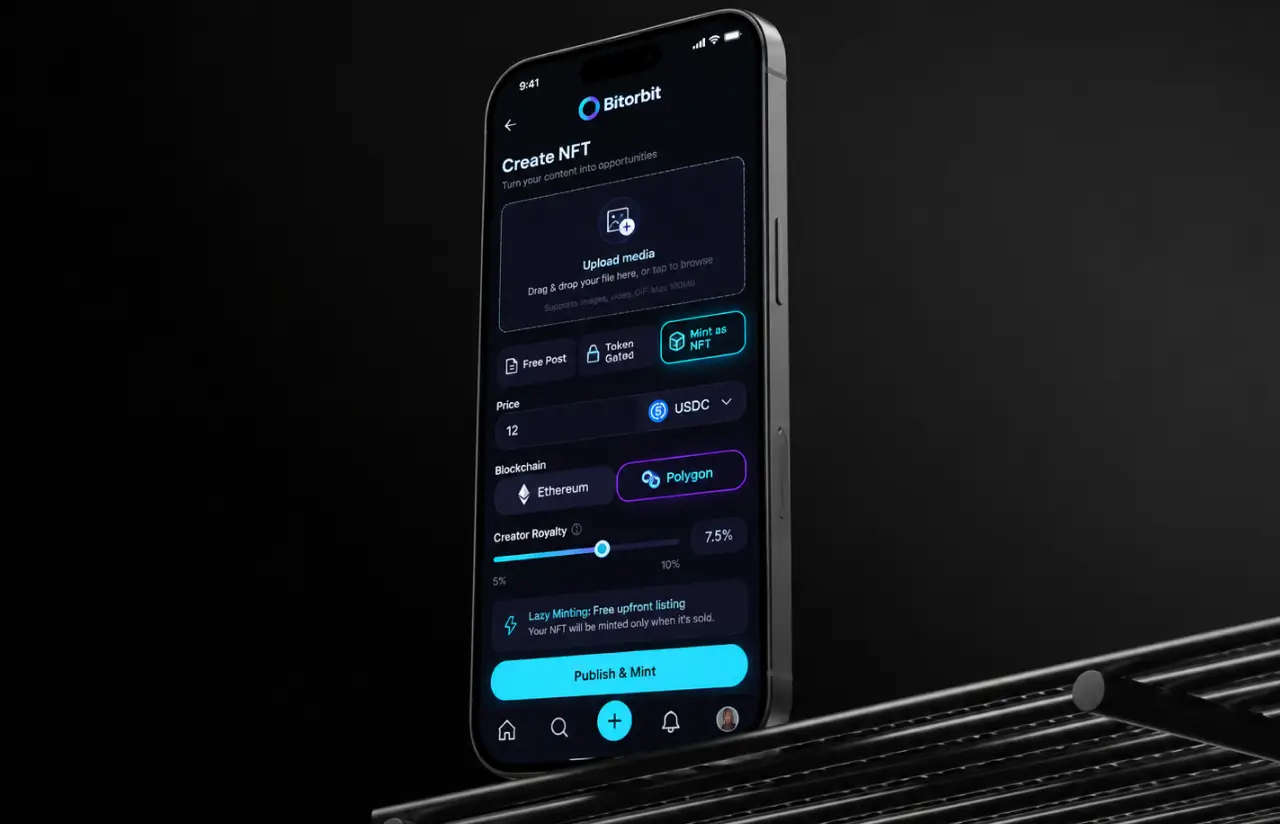
To create an NFT, a creator uploads a photo, video, audio file, or text post and sets a price, royalty, and edition size, with properties defined at listing time. Lazy minting puts the NFT on-chain at first sale, so a live listing takes about 40 seconds and costs nothing upfront.
Advanced Marketplace Trading
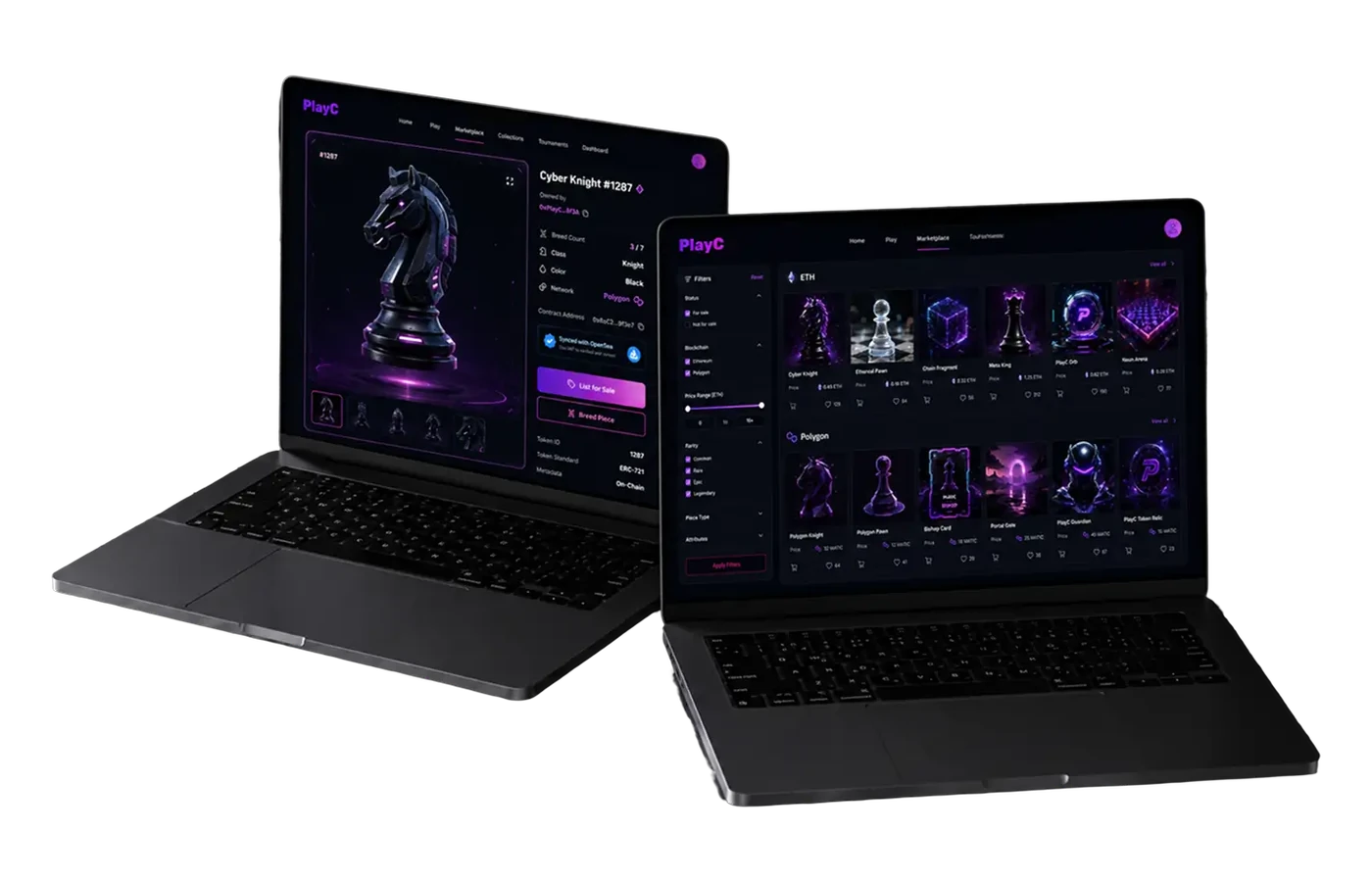
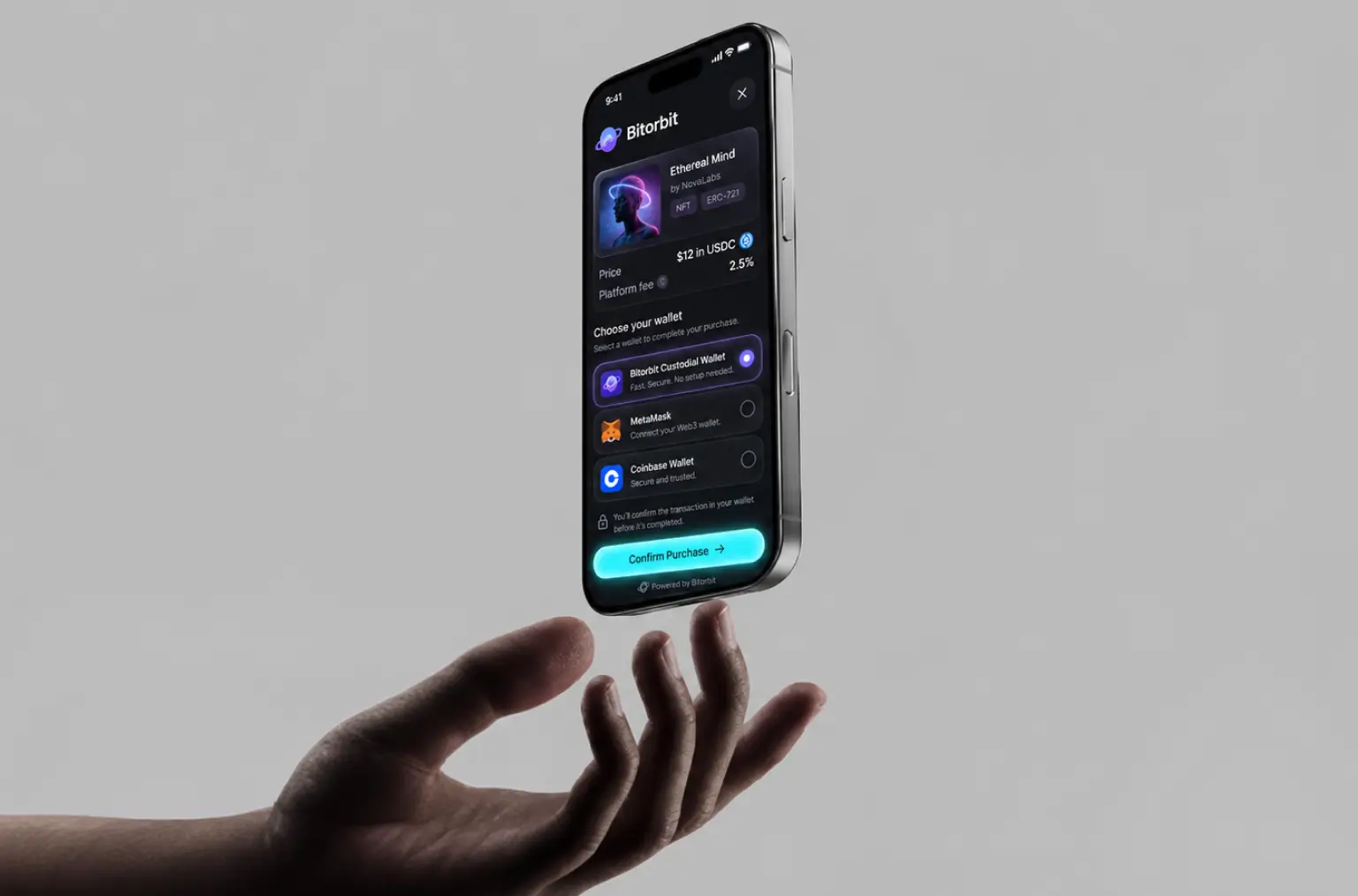
Fixed-price listings, timed auctions, and open offers, with escrow held by the marketplace contract until both sides settle. Buyers pay in ETH, MATIC, or USDC, and the seller's share lands in their wallet in the same transaction.
Smart Contract Royalties
Every collection carries an ERC-2981 royalty of 5 to 10 percent, set once by the creator. On resale inside the NFT marketplace, the contract enforces the split, so a piece that changes hands nine times pays the creator nine times.
Multi-Wallet Integration
MetaMask, Coinbase Wallet, Trust Wallet, and any WalletConnect wallet for users who already hold crypto, plus a custodial in-app wallet for everyone else. Wallet integration took two sprints, and 58% of first-month signups chose the in-app option.
Cross-Chain Asset Management
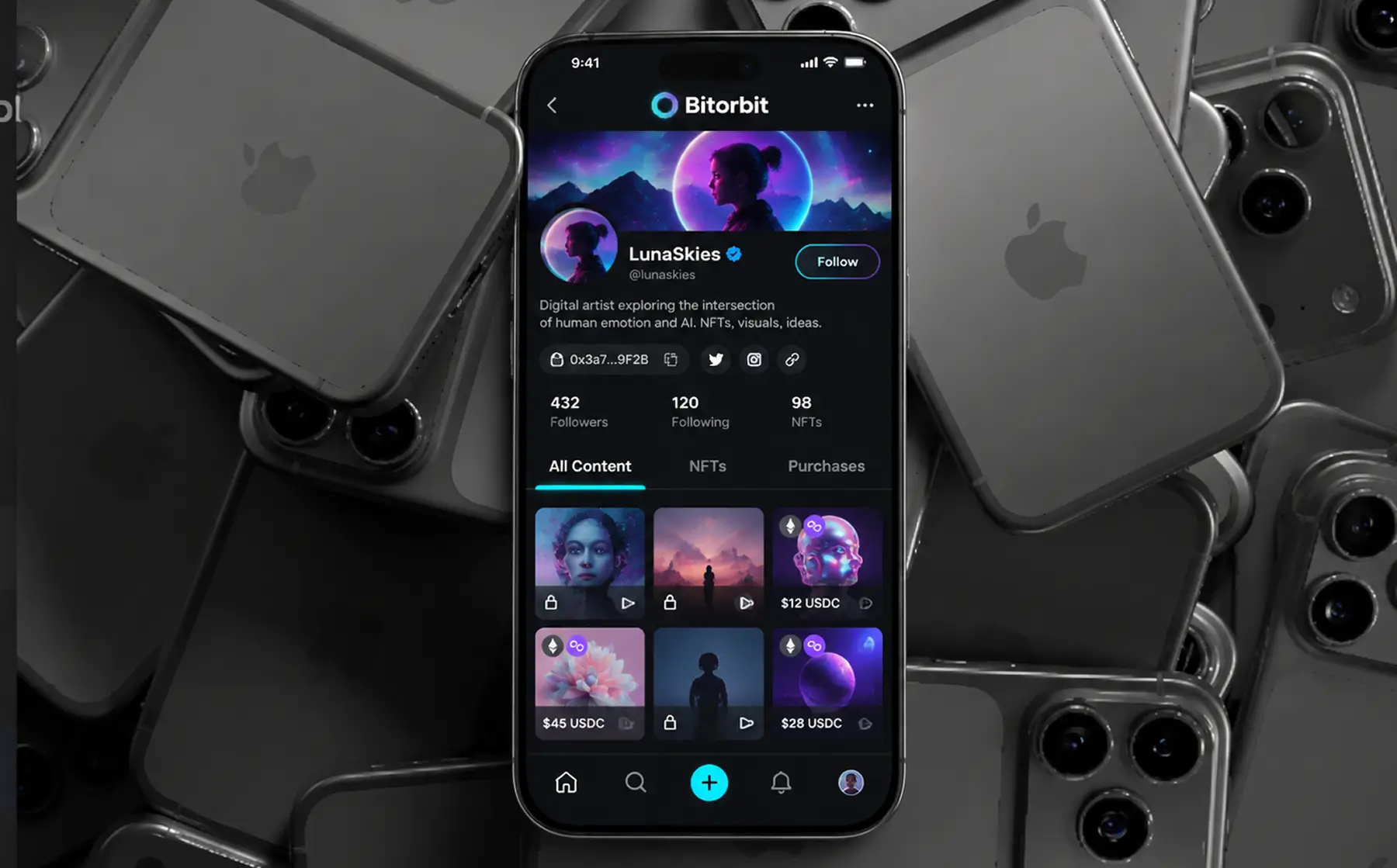
A collector's profile lists Ethereum and Polygon digital assets side by side under NFTs and Purchases, with a chain badge on each card. The backend was built to handle profiles and marketplace data efficiently, including the responsive storefront and decentralized storage expected in the core feature set. Transfers to an outside wallet run from the same screen and are tracked until the receiving chain confirms.
Security and Compliance Features
Two audit rounds on the smart contracts, signed vouchers for lazy mints, API rate limits, and content hashing that flags a re-upload of someone else's work before it reaches the feed. Custodial keys never leave the HSM-backed key service. Asset media lived on IPFS, and that decentralized storage strengthened security for asset information.
Agile Methodology
Project Journey
The nine-month NFT marketplace development project ran in two-week sprints, starting with a three-week audit of the codebase left by the previous development company, which found 41 open bugs and no test suite. Smart contract work ran on its own track from sprint 2 so audit findings never blocked app releases. From sprint 8 on, every sprint shipped a TestFlight and Play Console build to the client’s 60-person beta group.
How the NFT Marketplace Platform Works
- Sign up with email to create an account or use a connected wallet, get a custodial wallet if needed, and verify identity for payouts. Under two minutes on average.
- Photos, video, audio, or text are pinned to IPFS and posted free, gated behind a token payment, or listed as an NFT.
- The app signs a mint voucher for Ethereum or Polygon. Nothing hits the chain until a buyer commits.
- Collectors buy at a fixed price, bid in an auction, or send an offer. Escrow holds funds until the NFT transfer confirms.
- The contract routes the creator's royalty and the 2.5% platform fee in the same transaction as the sale.
- Sold and gated posts feed the For You and Top rows, and the creator dashboard updates within seconds of each confirmed transaction.
Scrum Process Flow
Scrum suited this NFT marketplace development process for one reason: the smart contracts could not change after mainnet deployment, so every decision about fees, royalties, and edition rules had to be tested with real users before it was frozen. The two-week cadence gave the client 18 chances to review live output, and three of those reviews changed the fee model, from a flat 5% cut to 2.5% plus creator-set royalties. The client saw a working NFT marketplace 18 times before the first NFT was minted on mainnet.
UI/UX Design: Intuitive Interface for Blockchain Social App
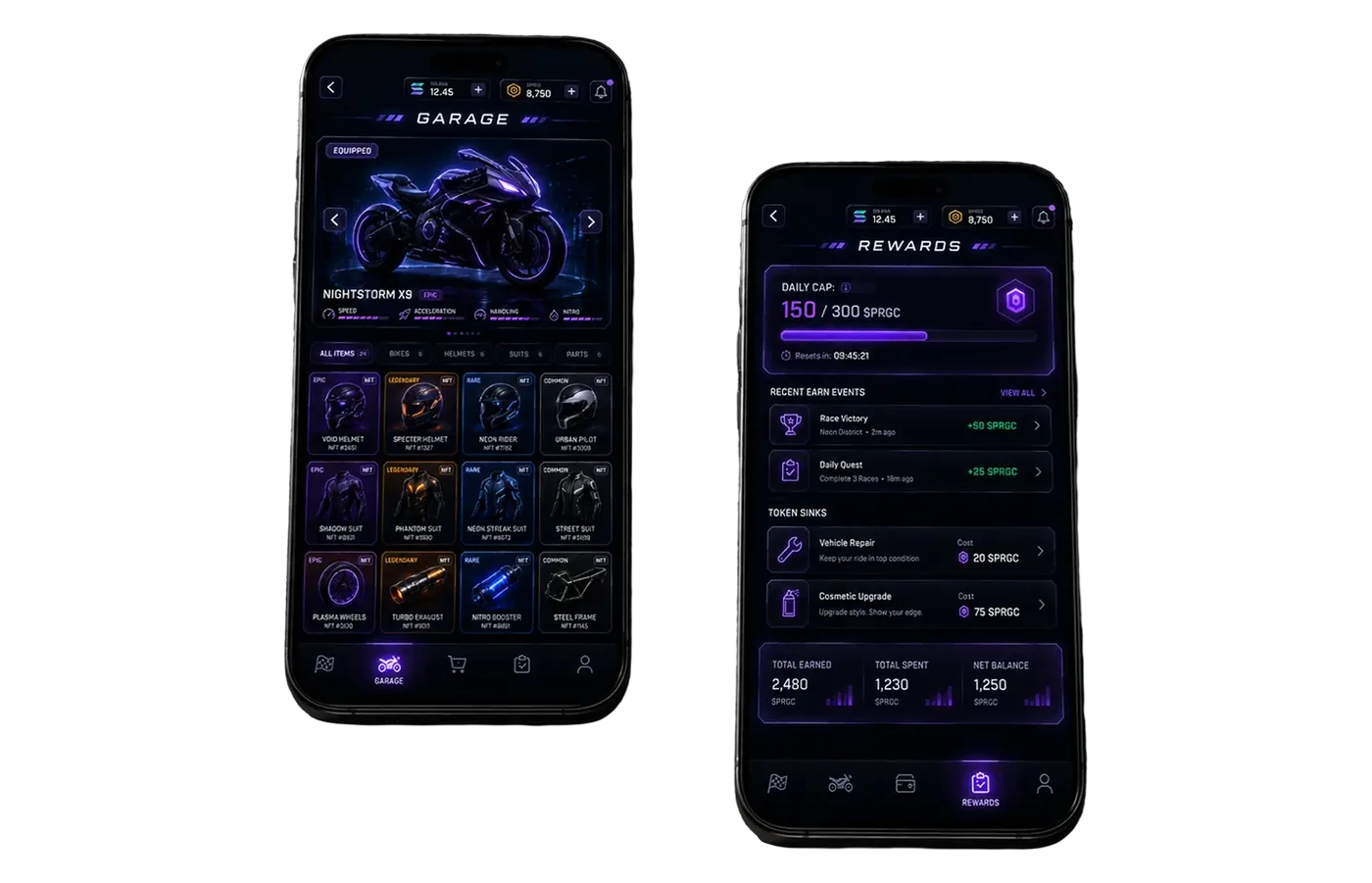
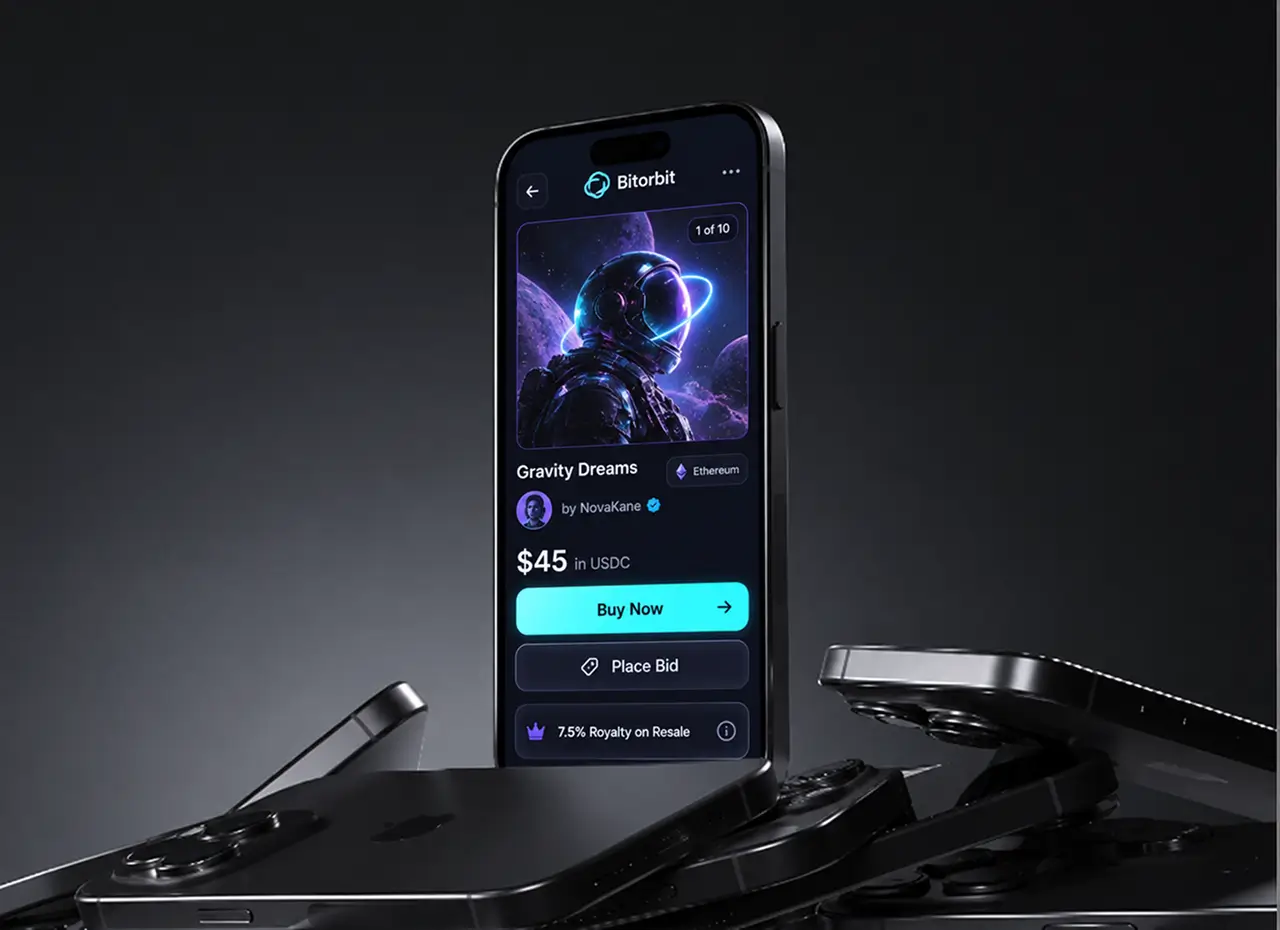
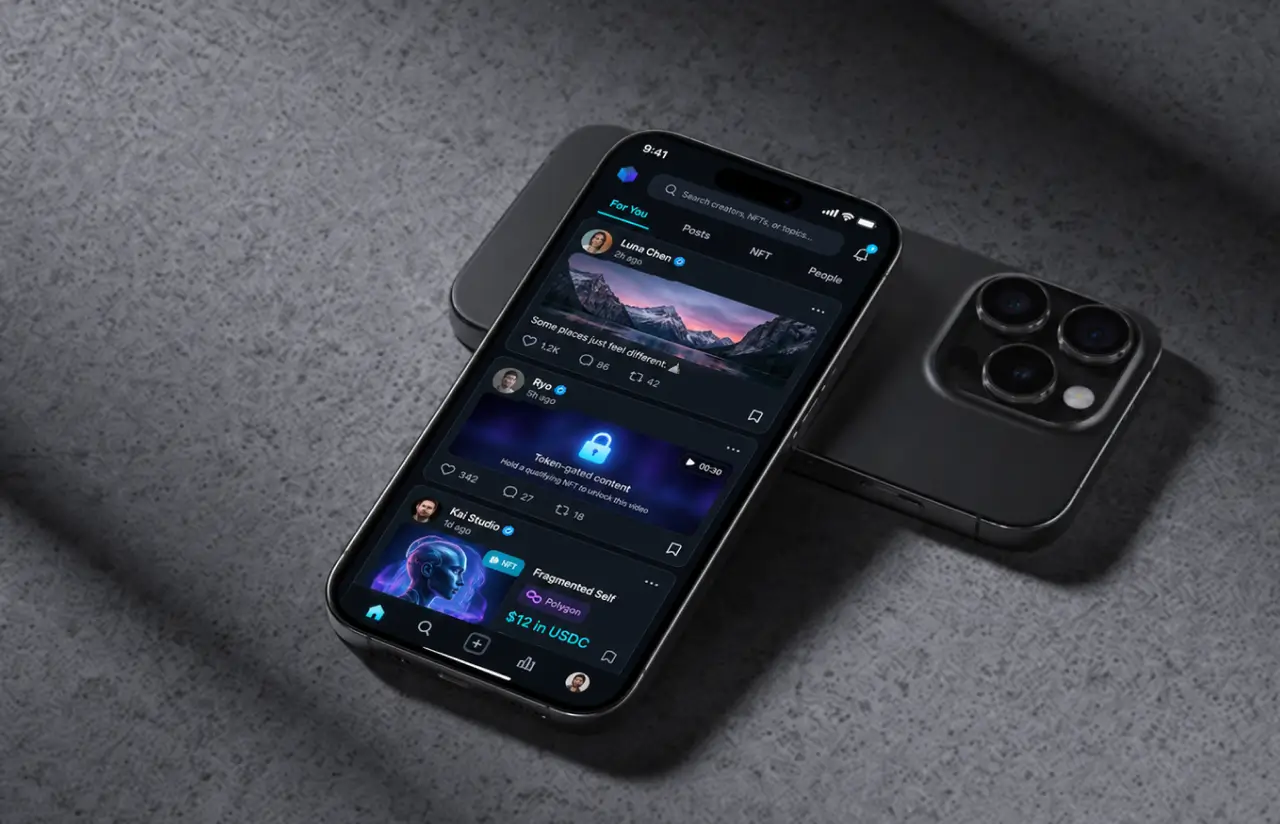
The previous design treated the NFT marketplace as a separate section, three taps from the feed. Our product design team merged the two because 70% of beta purchases came from people who saw the post in their feed first. So the home screen is a feed built to facilitate discovery and purchase in the same flow: search on top with For You, Posts, NFT, and People tabs, and one card component that serves a free photo, a gated post with a padlock, and an NFT with a blue badge and its price.
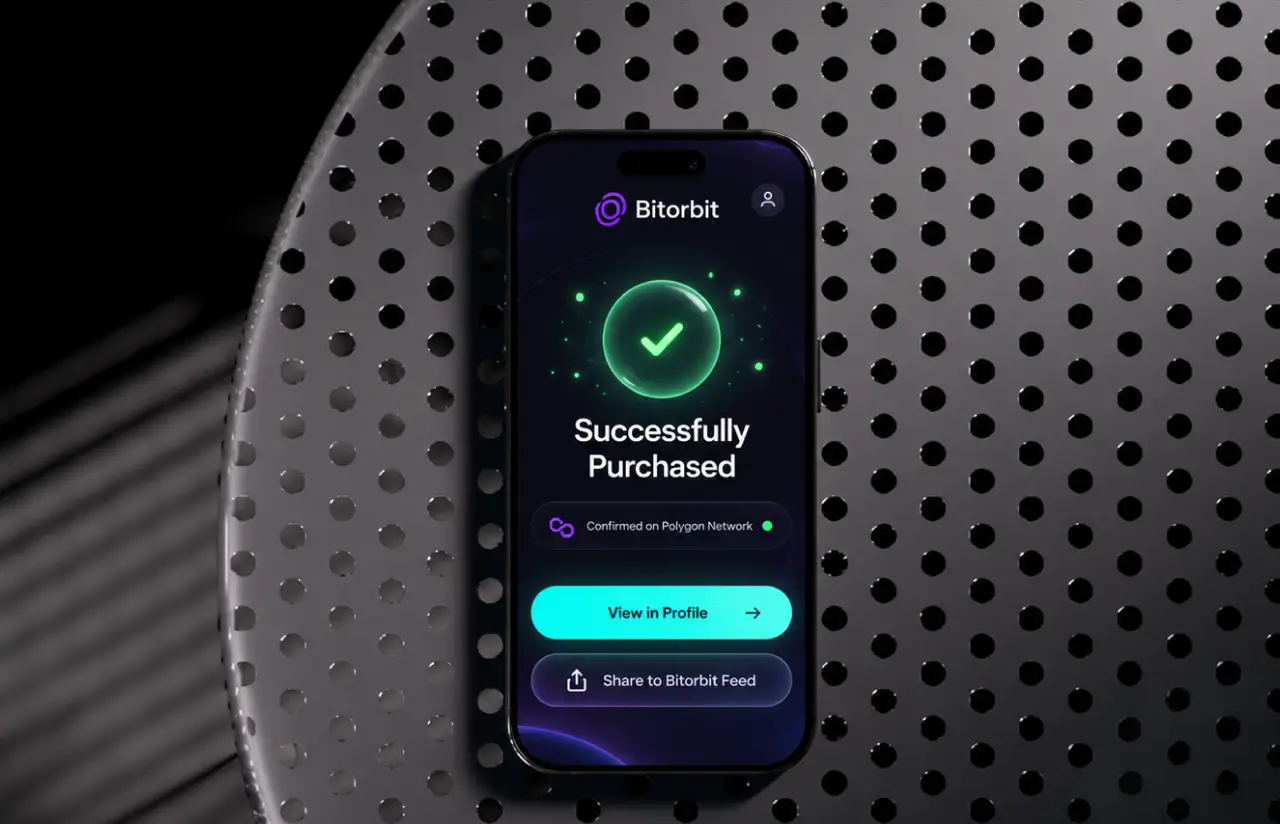
Profiles open with an avatar, bio, and link, then All Content, NFTs, and Purchases tabs, with a padlock or chain badge on every card. Buying takes three screens: the post, a price sheet that says “$12 in USDC” instead of a hex address, and a confirmation with transaction status. Every wallet error was rewritten in plain sentences. Purchase completion rose from about 34% to 61% of started checkouts, which made the buying flow feel safer and more efficient.
Results
Before
- ✕A social feed with no NFT marketplace behind it, and a wallet button that did nothing
- ✕Six-second feed loads at ~300 users and a 3.8% crash rate on Android
- ✕Fourteen months with the previous development company and no store release
- ✕No smart contracts, no test suite, 41 open bugs
After
- ✔31,000+ NFTs minted in the first 90 days on Ethereum and Polygon
- ✔~$210K paid to creators in the first quarter, in ETH, MATIC, and USDC
- ✔1.1-second feed load at 3,000+ users, 99.6% crash-free sessions
- ✔0.7% failed transactions, 9,800 secondary transfers paying royalties automatically
Impact of the NFT Art Marketplace After Launch
Verified Reviews
Our Reputation on Top Platforms
LITSLINK holds a 4.8 rating on top platforms. Clients who review our blockchain and Web3 work most often mention contract security, honest estimates, and a team that will say no to a feature when the gas cost makes it pointless.
Have an NFT Project in Mind?
Looking for NFT marketplace app development for creators, collectors, or a smart contract audit before your own NFT marketplace goes live? Tell us which chains, which content types, and how many users you expect, and our specialist will get back to you within 48 hours.
Thank you for your message. It has been sent.