








Key Takeaways:
- We ranked firms on verified client reviews, named production deployments, and audit history. Whitepaper-stage portfolios didn’t make the cut.
- Peer-reviewed IEEE research on blockchain supply chain traceability cut record-lookup time overhead by up to 85.1% once records were parallelized.
- Smart contract exploits made up 60% of H1 2026 hack incidents.
- Blockchain technology spending is projected at $47.96 billion in 2026.
- LITSLINK takes the #1 spot for contracts that pass testing and code audits before mainnet, with third-party audits on request.
A blockchain development company builds smart contracts, decentralized applications, and distributed ledger systems that run without a single central authority. A general software development company bolting a token onto a conventional app is a different animal, even when the pitch deck uses the same words. That gap is why lists of the top blockchain development companies keep getting longer while the number of firms you’d trust with real money stays small. eSparkInfo’s 2026 rankings put it plainly: successful implementation depends on protocol architecture, smart contract security, consensus mechanisms, and infrastructure that holds up under load, and those skills vary enormously between vendors selling identical marketing language.
Here’s the puzzle. In the first half of 2026, attackers pulled off 207 separate hacks, a record, and walked away with less than half of what they took in H1 2025. More break-ins, less loot. Read that twice, because it changes what you should be buying from a blockchain company.
We picked the nine providers of blockchain services below on verified client reviews, named production deployments, and a track record of surviving independent security audits.
More Hacks, Less Money: What the 2026 Numbers Say About Picking a Vendor
Bank robbers in the 1930s went after the vault. By the 1990s, the smart ones went after the teller’s password. Blockchain technology replayed that whole history in about eight years.
TRM Labs counted 125 smart contract exploits among 207 incidents in H1 2026, roughly 60% of the total. Those same exploits accounted for a small slice of the $972 million stolen. Infrastructure compromises were about 15% of incidents and roughly 76% of losses. The two biggest thefts of the half-year, Drift Protocol (about $295 million) and KelpDAO (about $292 million), started with stolen credentials and poisoned infrastructure, not a reentrancy bug.
Which means the obvious buying rule, “hire whoever writes the safest Solidity,” is only half right.
You still need the audit. Contract bugs remain the most common way to lose money, and legacy contracts left live on-chain (Raydium’s deprecated AMM V3, Aztec Connect) got hit again this spring. But the blockchain development companies that separate themselves in 2026 also know key management, signer policies, deployment pipelines, and what happens when a developer’s laptop gets phished. A vendor who only wants to talk about the code is telling you which quarter of the problem they’ve thought about.
The market is growing into this mess. Fortune Business Insights sizes blockchain technology at $31.18 billion for 2025 and $47.96 billion for 2026, heading to $577.36 billion by 2034, with North America holding 43.8% of it. Take the 2034 number with the usual skepticism (analyst decks have never once forecast a bad decade). Even so, a market adding $17 billion in a single year attracts plenty of new blockchain development companies pitching “innovative blockchain solutions” and “scalable solutions” in the same deck, and most of them will be learning the development process on your budget.
Quick Comparison: Top Blockchain Development Companies at a Glance
Before the full write-ups, scan this table to see where each firm’s specialty lands.
| Rank | Company | Best For |
|---|---|---|
| 1 | LITSLINK | Blockchain development and smart contract development |
| 2 | PixelPlex | Multi-chain product builds with post-launch support |
| 3 | Antier | Enterprise Web3 at scale across multiple blockchains |
| 4 | Webisoft | Layer 1/Layer 2 protocol and zero-knowledge-proof engineering |
| 5 | Altoros | Enterprise software development company depth applied to Web3 |
| 6 | Codiste | Blockchain paired with AI/ML in one product |
| 7 | Unicsoft | Enterprise blockchain delivery, Clutch-verified |
| 8 | SEROKELL | Web3 development with formal engineering rigor |
| 9 | Nadcab Labs | DeFi, NFT, and enterprise blockchain platforms |
1. LITSLINK: Best for Blockchain Development and Smart Contract Development
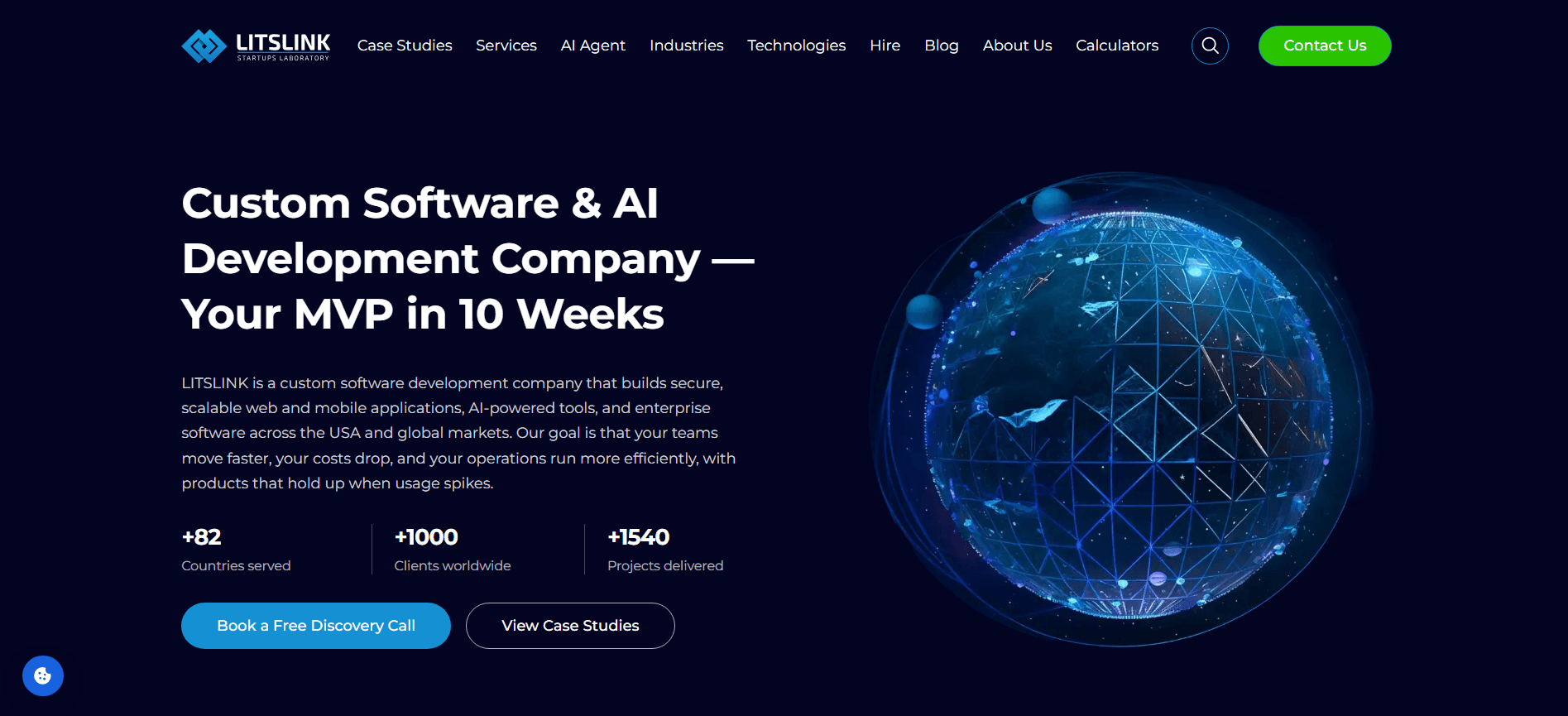
LITSLINK is a blockchain development company specializing in smart contracts that have to pass an audit, not just compile, and it takes the top spot on this list for that reason. Every contract goes through testing and an internal code audit before it touches mainnet, and the team arranges third-party audits when the money at stake justifies a second set of eyes. Chain choice follows the use case: Ethereum for the deepest tooling, Hyperledger Fabric for permissioned enterprise ledgers, Binance Smart Chain for cheaper EVM financial transactions, Polkadot for cross-chain work, and Solana when throughput matters more than precedent.
LITSLINK’s blockchain development services cover the full arc. Smart contract creation, token launch, ICO and STO support with legal compliance consulting, private blockchains, blockchain wallets, and blockchain-based marketplaces are all in scope. So is the less glamorous work of smart contract integration: plugging distributed ledger technology into supply chain, real estate, healthcare, and education systems that already exist. On the supply chain side, the benchmark worth knowing: peer-reviewed work by Hanqing Wu and colleagues (IEEE) showed blockchain traceability lookups can cut time overhead by up to 85.1% once records are searched in parallel instead of one sequential chunk. That is the kind of number a pilot should be measured against, and the supply chain breakdown on the LITSLINK blog walks through how.
Company facts: founded in 2014 as a custom software development company in Palo Alto, now with an Orlando office, 300+ engineers, 1,540+ projects delivered, 1,000+ clients across 82 countries, Clutch 4.8. US-based project management pairs with senior European engineering, so status calls happen during US hours. LITSLINK fits businesses that need blockchain solutions to survive a security audit rather than a proof-of-concept that never reaches mainnet, and mobile app development sits in the same house for products that need a wallet on a phone.
Not sure which chain your product actually needs?
Tell us what you’re building, and we’ll come back with a chain recommendation, a scope, and the audit plan before any contract is signed.
Contact LITSLINK
2. PixelPlex: Best for Multi-Chain Product Builds With Post-Launch Support
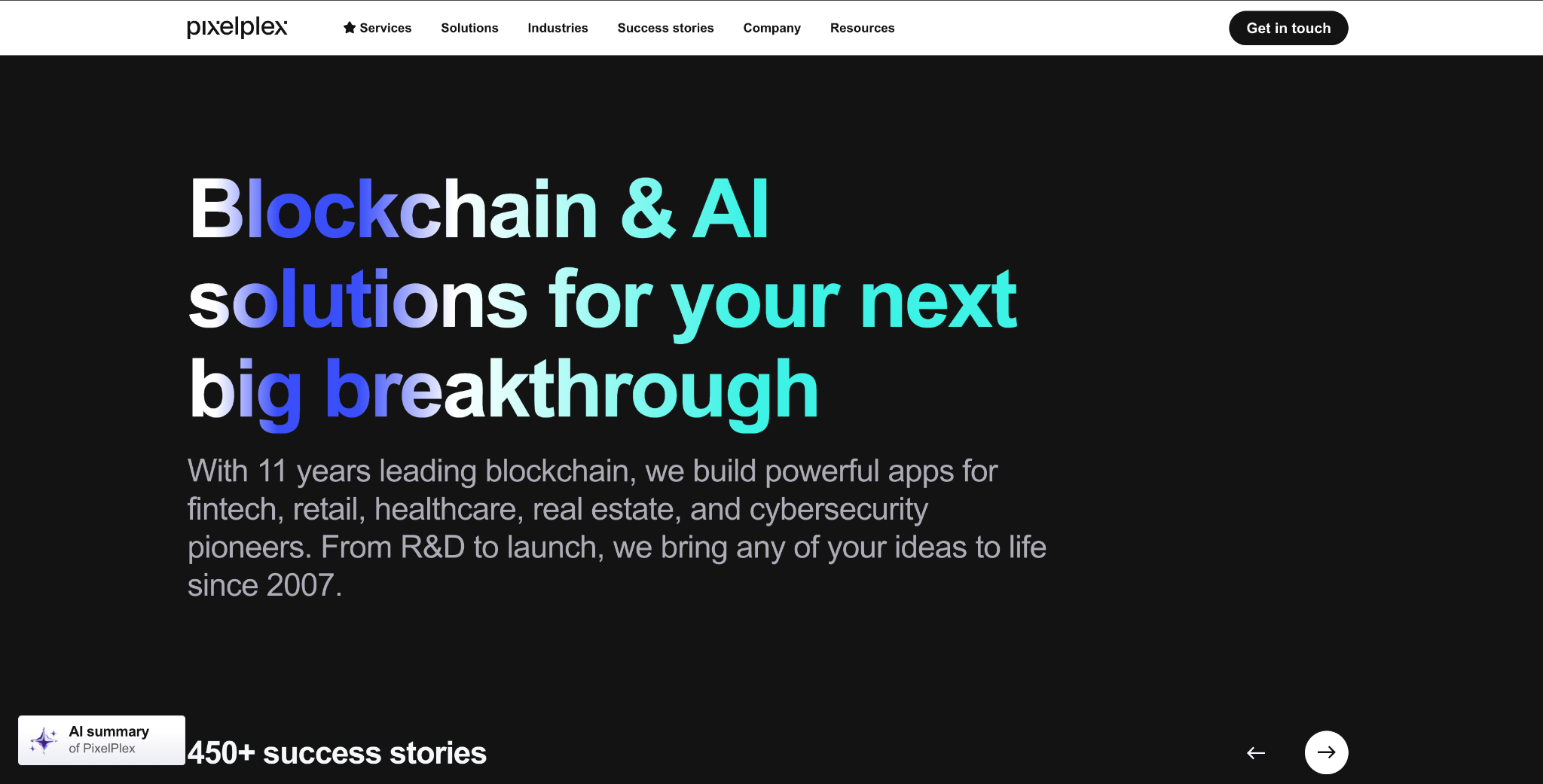
PixelPlex is the blockchain technology company to pick when the product will keep changing after launch. The New York-headquartered firm has been building since 2007, reports 450+ delivered projects and roughly 150 employees, and lists Microsoft, BMW, and Kakao among its clients. Its MANTRA DAO engagement covered staking upgrades, a token swap, and a SlowMist security audit that found no major issues. PixelPlex is also an official general partner of the Canton Foundation, the institutional network used by Goldman Sachs and BNY. Project costs for its blockchain services run from roughly $16,000 to over $2 million.
3. Antier: Best for Enterprise Web3 at Scale Across Multiple Blockchains
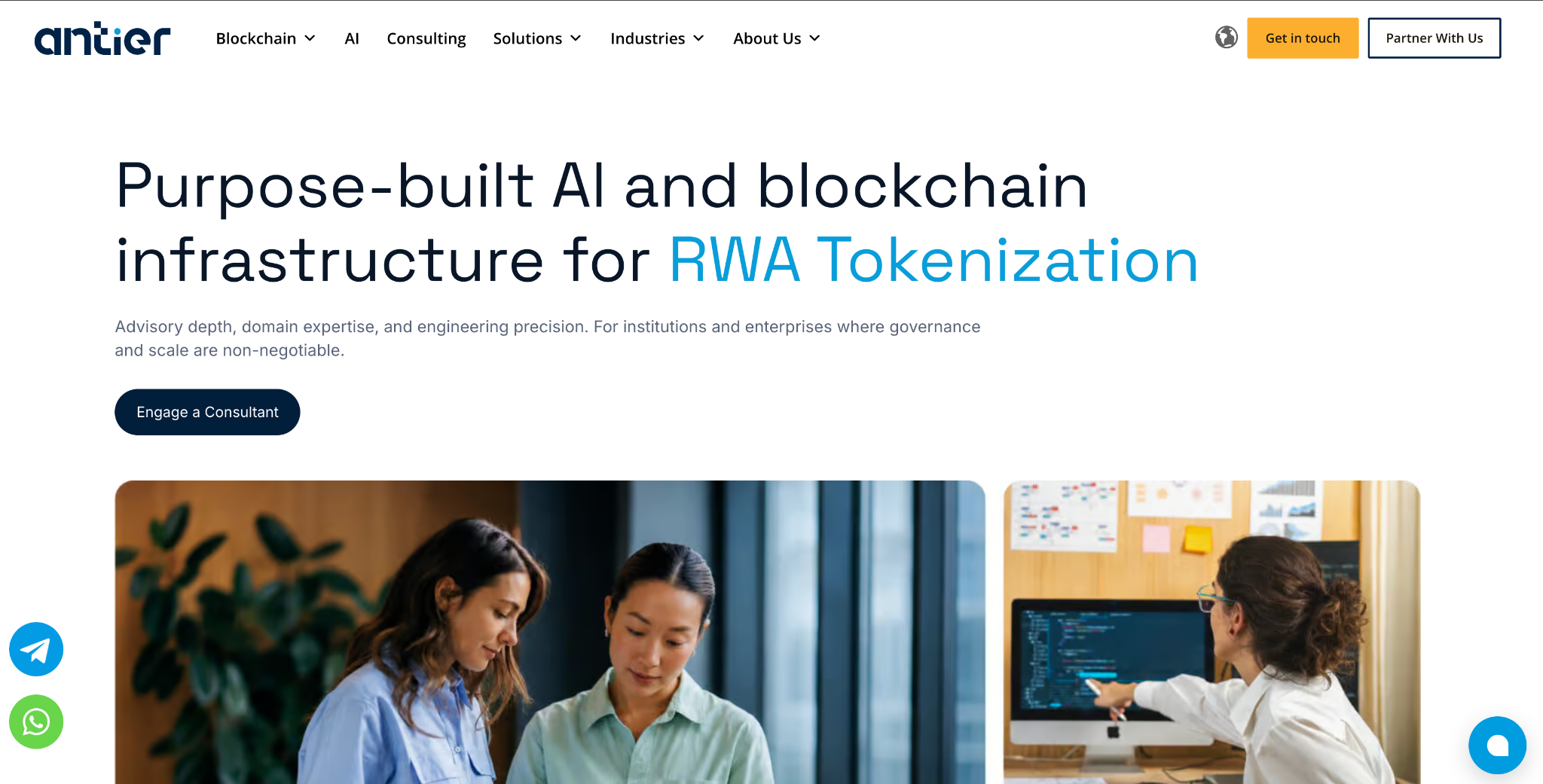
Antier is one of the top blockchain companies for enterprises that want blockchain solutions with breadth across chains rather than one specialist. Founded in 2011 and headquartered in Mohali, India, with a 700+ member team and offices reported in the UK, UAE, and US, the firm builds and audits smart contracts on Ethereum, Solana, BNB Chain, Polkadot, and Avalanche. Clutch-verified work includes Solana contracts plus a relayer layer for a Dubai fintech, and blockchain infrastructure integrated with existing systems for Airwallex. Antier works with financial institutions and governments, so regulatory questions around financial transactions won’t be new to the team.
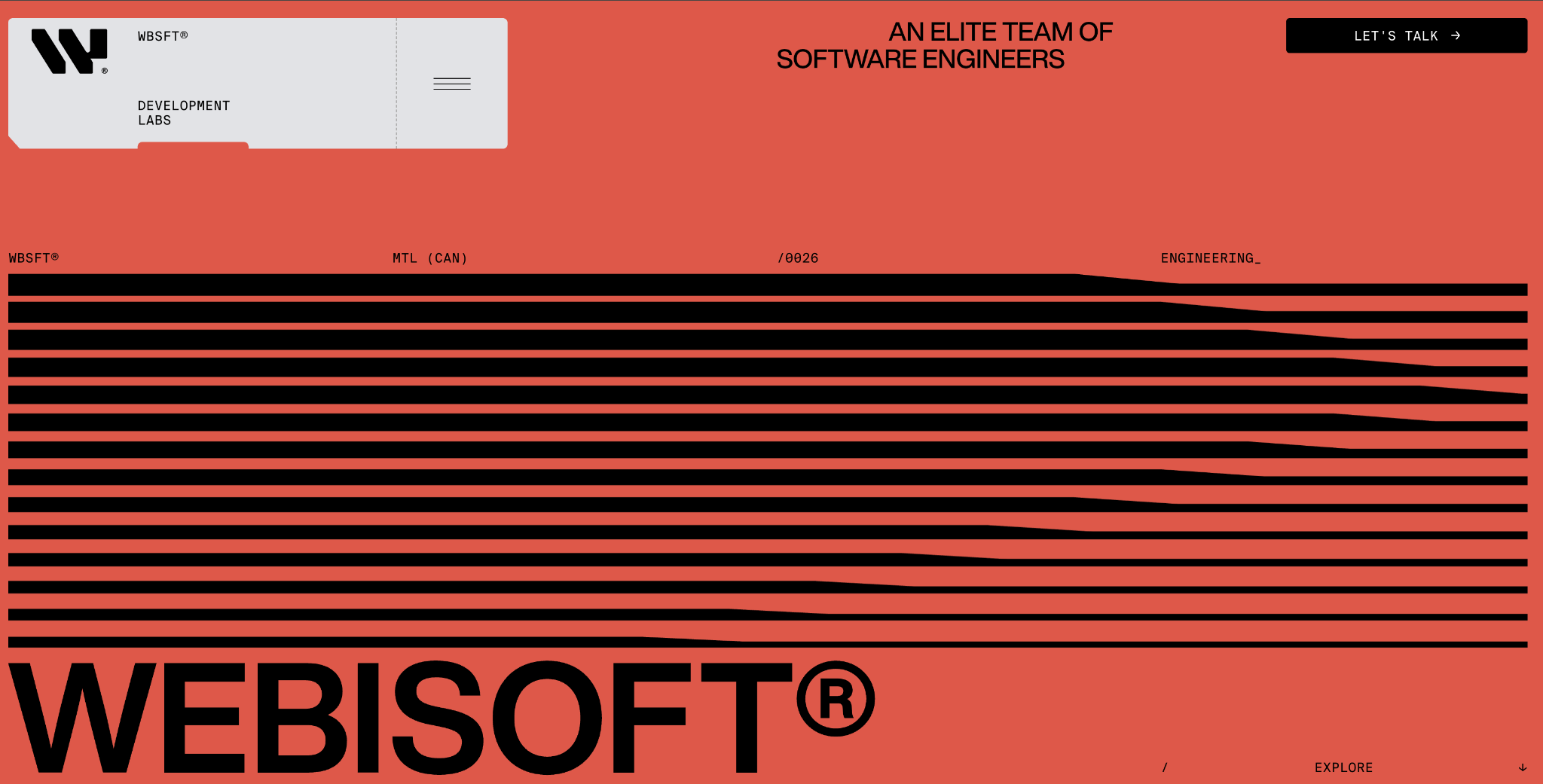
4. Webisoft: Best for Layer 1/Layer 2 Protocol and Zero-Knowledge-Proof Engineering
Webisoft is for projects that need protocol-level engineering, not another application-layer contract. The Montreal-based Web3 and product development company, founded in 2016, works on tokenomics design, zero-knowledge-proof implementations, and Layer 1/Layer 2 protocol development. If your roadmap includes a custom rollup, a ZK circuit, or a change to the underlying blockchain protocols, this is the kind of blockchain development firm that has done it before. If it’s a token and a dashboard, you’re overpaying.
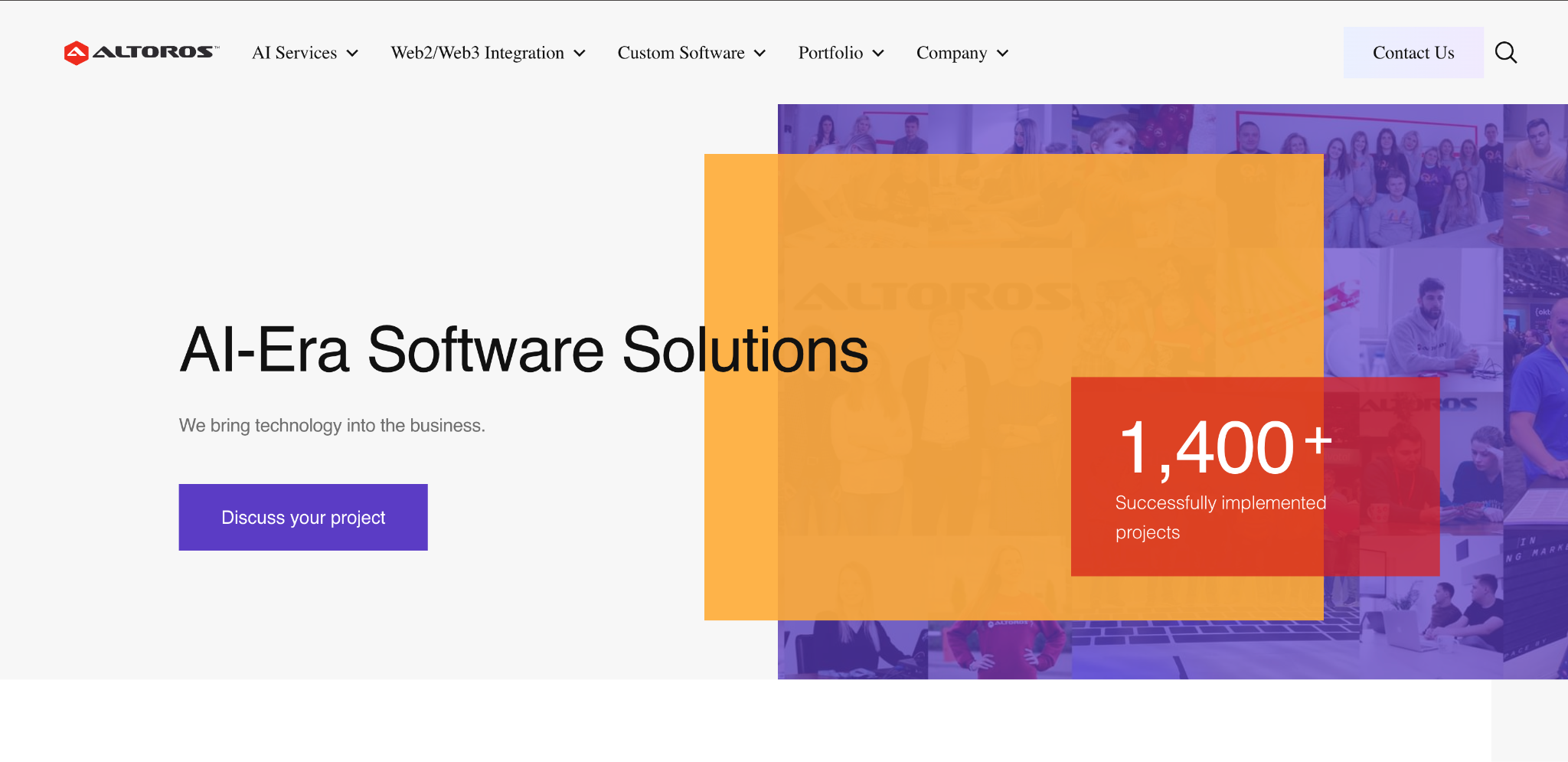
5. Altoros: Best for Enterprise Software Development Company Depth Applied to Web3
Altoros has been writing software since 2003 and treats blockchain technology as one more layer in an enterprise digital transformation, which is exactly what some clients need. The work leans toward blockchain integration with cloud-native systems (Hyperledger Fabric has been a long-standing focus) rather than standalone Web3 builds. That makes Altoros the right blockchain development vendor when the ledger has to sit next to Kubernetes, an ERP, and a compliance team with questions. It makes Altoros the wrong one for a DeFi launch that needs Solana developers by Friday.
6. Codiste: Best for Blockchain Paired With AI/ML in One Product
Codiste is an India-based blockchain company with US and South Africa operations that pairs blockchain software development with an AI/ML practice under one roof. Smart contract and Web3 work centers on decentralized applications, supply chain transparency, and asset tokenization, and the same team can add machine-learning features to the same decentralized applications. One vendor, one backlog, one line of accountability. That matters more than it sounds, because “the AI team says it’s the chain team’s fault” is a sentence that has ended projects.
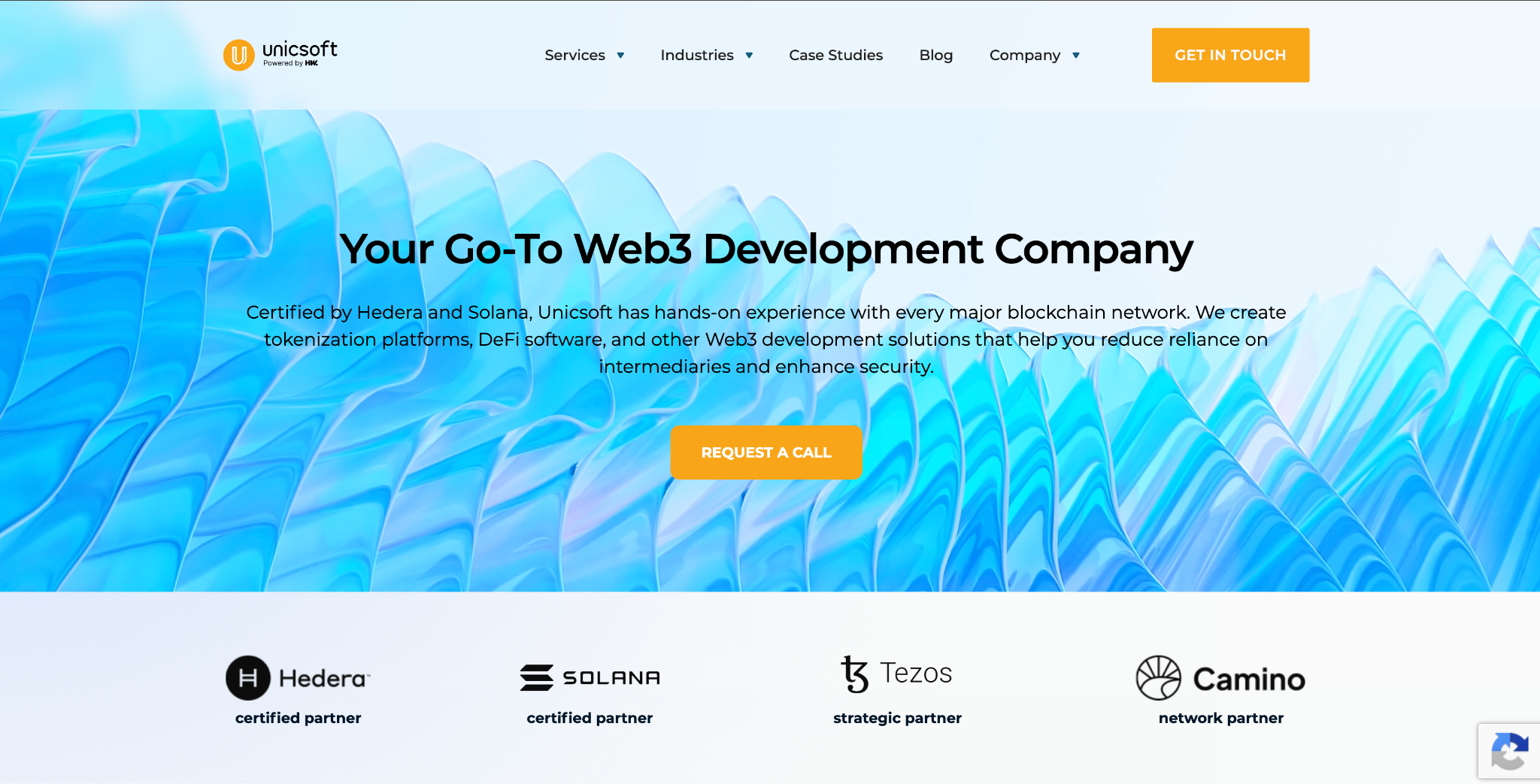
7. Unicsoft: Best for Enterprise Blockchain Solutions Delivery
Unicsoft is the safe enterprise pick. It appears consistently across independent 2026 rankings of blockchain development companies, is Clutch-verified, and is recognized for real-world Web3 implementation rather than concept work. Enterprise buyers tend to want a vendor whose name survives a procurement committee’s search, and Unicsoft’s does. Delivery covers bespoke builds, blockchain solutions for various industries, and the data management layer around them. Reviews mention scalable solutions delivered on schedule more often than they mention price. The trade-off with any broadly recognized consulting company is that the A-team may be on another account, so ask who, specifically, is staffed to yours.
8. SEROKELL: Best for Web3 Development With Formal Engineering Rigor
SEROKELL is the blockchain company to pick when correctness matters more than speed. The firm shows up across multiple 2026 Web3 development rankings for blockchain, DeFi, smart contract, and dApp delivery, evaluated on technology capability and security standards, and its engineering culture leans on functional programming and formal verification, a slower route to delivering secure code that holds. That is the right fit for financial instruments, consensus code, or anything where a bug becomes a headline. It is a slower and pricier way to build a landing page with a token attached.
9. Nadcab Labs: Best for DeFi, NFT, and Enterprise Blockchain Platforms
Nadcab Labs is a client-focused blockchain development company delivering across DeFi, NFT marketplace development, and enterprise blockchain solutions, with asset tokenization, AI integration, and professional services around token launches on the list. Clutch lists blockchain infrastructure work for a financial services company and flags the firm as very responsive. Founders who want one vendor comfortable across the DeFi and NFT range get that breadth here.
How to Choose the Right Blockchain Development Company
The right blockchain development company depends on security rigor and chain-specific depth far more than on the buzzwords in the proposal. Skip the tests below, and you may still land a reliable partner by luck. The cheapest Solidity shop works fine right up until the first six-figure transaction, and by then the vendor has moved on to the next client.
Confirm Real Blockchain Developers, Not Web Developers Learning Solidity
Blockchain developers with production experience understand how blockchain technology behaves under gas pressure, latency, indexing, and adversarial users in ways a web developer picking up Solidity for one project usually doesn’t. Ask for named engineers and their prior blockchain projects, not the company’s overall portfolio. The best blockchain development services will show you the people, not the logo wall.
Ask About Their Track Record on Complex Blockchain Projects Specifically
Complex blockchain projects, meaning DeFi protocols, cross-chain bridges, and tokenization at scale, carry different risks than a single-purpose contract. Ask for a named project at your complexity level, including what went wrong and how the team handled it. A highlight reel with no failures on it is a vendor with a short memory or a short history. The best blockchain development companies will name one without being asked.
Check What Development Services Are Actually Included in the Quote
“Blockchain development services” can mean anything from one contract to full protocol design, security audits, and ongoing infrastructure maintenance. Get the scope of blockchain services in writing: audits, testing, deployment, key management, and post-launch support. Compare prices only after that, because a $40,000 quote without an audit and a $70,000 quote with one are different products wearing similar price tags.
Confirm They Build Custom Software, Not Just Deploy Templates
Some vendors quietly deploy a lightly modified open-source contract and call it custom software. Ask what in your project is built from scratch versus adapted from an existing template, and what the template’s own audit history looks like. A vague answer is your answer. Data integrity on-chain is only as good as the code that writes to it.
Ask About Financial Services and Compliance Experience If Relevant
Blockchain projects touching financial services, whether DeFi, tokenized assets, or payment rails, carry regulatory weight beyond the technical build, and sometimes beyond the business model itself. Ask for a named project with comparable compliance requirements. A software development company that has shipped a wallet is not the same as one that has shipped a wallet a regulator later asked questions about.
Confirm Enterprise Systems Integration and Blockchain Infrastructure Depth
Enterprise clients need blockchain infrastructure that connects to existing enterprise systems (ERP, identity management, data pipelines), not a ledger island that breaks data integrity the moment two systems disagree. Every proposal promises “seamless integration.” Ask for a named enterprise integration project, the backend infrastructure it ran on, and how long the integration took versus the estimate. That last number tells you more than the first two.
FAQs
How Much Does Blockchain Development Cost?
A single smart contract with standard functionality runs $10,000 to $50,000, while a full DeFi platform, enterprise blockchain integration, or multi-chain product typically lands at $100,000 to $500,000 or more, depending on complexity and audit scope. Hourly rates for blockchain services on Clutch range from $25 to $200 by region and seniority. Security audits are usually budgeted separately, so ask whether the quote includes one.
How Do I Choose the Right Blockchain Development Company?
Check three things first: named developers with prior blockchain production work, a completed independent security audit on a comparable past project, and a written scope clarifying what’s custom-built versus template-based, plus a walkthrough of the development process from testnet to mainnet. Client reviews on Clutch or GoodFirms help, and named case studies help more.
Do Smart Contracts Need a Security Audit Before Launch?
Yes. An independent audit before mainnet deployment is standard practice for any contract handling real value, since bugs are often irreversible once deployed and smart contract exploits were the single most common incident type in H1 2026. A vendor that treats audits as optional is a red flag. The LITSLINK guide to smart contracts in blockchain covers what an audit actually checks.
What’s the Difference Between a Blockchain and a Smart Contract?
A blockchain is the distributed ledger technology that records transactions across a decentralized network. A smart contract is self-executing code that runs on top of that ledger to automate specific business logic (payments, token transfers, conditional actions). The blockchain is the infrastructure. The smart contract is the application built on it.
Which Blockchain Should I Build On: Ethereum, Solana, or Something Else?
Ethereum offers the largest developer community and the most battle-tested tooling, with higher transaction costs. Solana offers faster and cheaper transactions with a smaller community and less precedent. The right choice depends on whether your project values maturity or throughput, and a good blockchain company will tell you which before quoting.
The Vendor Who Asks About Your Signers First
The top blockchain development companies in 2027 will be the ones that stopped selling “blockchain” and started selling audited contracts, boring key management, and integration with the systems you already run. The digital asset market will keep growing on schedule, and so will the number of firms selling blockchain services. The hack count will too. What changes is which blockchain solutions still hold value the morning after a developer clicks the wrong link.
Pick the reliable partner who asks about your signers before they ask about your token.