






Key Takeaways
- Ranked on verified Clutch/GoodFirms reviews, live fintech apps in the app stores, and proven PCI DSS, KYC/AML, and PSD2 work. General app portfolios earned no credit.
- 54% of U.S. bank customers now bank primarily through a mobile app, the sixth straight year apps led the ABA survey.
- Juniper Research projects 4.2 billion digital banking users in 2026, up from 2.5 billion in 2021.
- FBI IC3 reported $16.6 billion in cybercrime losses for 2024, up 33% in one year. That’s the number your fraud detection budget competes with.
- Cross-platform (Flutter, React Native) fits most fintech apps in 2026. Go native when the product depends on hardware-backed security.
- LITSLINK takes #1 for U.S.-based project management, senior European engineering, and security built into the architecture, with 1,540+ projects delivered.
A fintech app development company builds mobile banking, payment, lending, or investment apps that meet financial-industry security and compliance requirements, as opposed to a general software development company applying standard mobile practices to a financial use case. That distinction sounds academic until you watch a generalist team learn what PCI DSS scope means three weeks before a launch date. The market has moved past the point where this is optional.
Juniper Research forecasts that 53% of the world’s population, over 4.2 billion people, would use digital banking in 2026, and in the U.S. the American Bankers Association found that 54% of bank customers now reach for a mobile app before a branch, a laptop, or a phone call. Customers care less about which institution sits behind the app than whether it is fast, safe, and always working, which is exactly where a generalist app development company without financial-services depth tends to fail on custom financial software and financial applications alike.
This list covers specialists in mobile banking apps, digital wallets, and payment systems, so you can match a fintech development company to your actual product type rather than a generic “app builder” label. Firms were selected on verified Clutch and GoodFirms reviews, named fintech app portfolios, and compliance and security depth, and we gave no credit for general app portfolios.
Why a Generalist App Development Company Keeps Failing at Fintech Apps
Every few months, a founder shows up with the same story about fintech apps. They hired a talented app development company with a beautiful portfolio of consumer mobile apps, the build went fine, and then the bank partner’s security questionnaire arrived. Forty pages. The team had never heard of PCI DSS scope, had stored tokens in shared preferences, and had no answer for how the app behaves when a device is rooted. Six months of rework followed. The app was good. It was the wrong kind of good.
The fintech industry punishes that mismatch harder every year, for a reason that has little to do with code. Money movement attracts adversaries, and digital payments are the front door. The FBI’s Internet Crime Complaint Center counted 859,532 complaints in 2024, and $16.6 billion in reported losses, and investment scams alone accounted for $6.57 billion of that. Which means the fraud detection logic in your finance app isn’t a feature you add in version two. It’s a cost of admission, and a fintech software development company that has shipped digital payments, digital wallets, and investment platforms already has the playbook.
Then there’s the regulatory layer, which changes what the product is allowed to do rather than only how it looks. Open banking rules decide what data you can pull. KYC decides when a user can transact. PCI DSS decides where card numbers may live (ideally nowhere you control). A fintech development company with real experience builds the development process around these constraints. A generalist bolts them on after the fact, and the seams show in every audit.
None of this means the big-name consultancies are the answer either. We’ve watched a Series A lending startup burn most of a year on a $2 million engagement that produced a discovery deck and a Figma prototype. The sweet spot for fintech app development services in 2026 is a firm large enough to have compliance muscle memory and small enough that the engineers who built the last mobile banking app are the ones who’ll build yours. That’s the lens for the list below.
Quick Comparison: Top Fintech Apps Companies at a Glance
Scan this table first to see where each app development company’s specialty lands among the fintech apps it has shipped. Every entry gets a fuller profile below, so treat this as a way to narrow a shortlist, not as the final call.
| Rank | Company | Best For |
|---|---|---|
| 1 | LITSLINK | Custom fintech app development and mobile banking apps |
| 2 | FINANTEQ | Mobile app development for regulated banking (PSD2, core banking) |
| 3 | Nimble AppGenie | Full-cycle fintech apps from neobanking to lending |
| 4 | Somnio Software | Cross-platform financial app development with Flutter |
| 5 | Pagepro | Cross-platform finance apps with React Native |
| 6 | Empat | High-volume iOS and Android delivery |
| 7 | Camber – The App Agency | Premium native iOS/Android craftsmanship |
| 8 | Kingsmen Digital Ventures | On-time delivery on custom fintech mobile projects |
| 9 | Simpalm | Payment, banking, and accounting apps under one roof |
| 10 | AIS Technolabs | Comprehensive fintech feature coverage under one scope |
| 11 | AppDupe | Fast, cost-effective fintech MVP launch |
1. LITSLINK: Best for Fintech App Development and Mobile Banking Apps
LITSLINK is the strongest all-around fintech app development company on this list (and the one we’d point a first-time founder toward) because it treats data security and regulatory compliance as the foundation of the architecture rather than a checklist run the week before launch. The fintech app development team builds native and cross-platform mobile banking apps and other fintech apps, digital wallets with payment gateway integration, biometric and multi factor authentication flows, AI-powered fraud detection, and personal finance management tools that turn raw transaction data into actionable financial insights. That last piece matters more than it used to. Personalized financial advice inside the app is now a retention feature, and machine learning models that flag a suspicious transfer in under a second are table stakes for any serious finance app.
Here’s an analogy from outside software. A commercial kitchen is designed around the health inspection from the first blueprint: sinks in specific places, surfaces of specific materials, airflow in specific directions. You can convert a home kitchen into a restaurant kitchen, but every retrofit costs more than the original build would have. Financial applications work the same way. Encryption at rest, secure key storage, audit logging, and KYC hooks are cheap on day one and painfully expensive on day 200. LITSLINK’s development approach starts from the inspection.
The company backs up the claim: 1,540+ projects delivered, 1,000+ clients across 82 countries, a 300+ engineer bench, and a 4.8 rating on both Clutch and GoodFirms. The delivery model pairs U.S.-based project management with senior European engineers, so a founder in Austin gets a team that overlaps with her working day and speaks the language of her investors. Where does it fit best? Fintech startups that need a partner who can take a concept from signed contract to working MVP in about ten weeks, and financial institutions modernizing banking platforms that were built before the iPhone existed. For a closer look at how the team scopes these builds, read the mobile banking app development guide and the digital wallet app development guide.
Ready to compare notes on your product? Contact LITSLINK for a free consultation and a scoped estimate.
2. FINANTEQ: Best for Mobile App Development in Regulated Banking
FINANTEQ is an app development company that specializes in mobile banking applications for banks that already run a core banking system and need an app that plugs into it without a rewrite. The Polish firm built its reputation on PSD2 and core banking integration work across European banks, which means it knows the difference between an open banking API that looks compliant on a slide and one that passes a regulator’s audit. Best for banks and traditional financial institutions that want a financial app development company who has done the integration before, on someone else’s budget rather than yours. [[VERIFY current FINANTEQ client list and Clutch profile]]
3. Nimble AppGenie: Best for Full-Cycle Fintech Apps From Neobanking to Lending
Nimble AppGenie is a Houston-based, full-cycle fintech software development company that builds neobanking apps, lending platforms, and digital wallets with KYC/AML and PCI DSS baked into the architecture from the first sprint. The pitch is that one development partner covers strategy, design, engineering, compliance, and post-launch support across innovative financial products, from neobank accounts to investment management systems. That removes the handoff gaps that generalist vendors leave between “the app” and “the compliance vendor.” Best for founders who want one throat to choke (their phrase, not ours) rather than a coordination job across three specialist shops.
4. Somnio Software: Best for Cross-Platform Financial App Development With Flutter
Somnio Software is a Flutter-first app development company holding a 5.0/5 Clutch rating across 46 reviews, and it focuses on fast cross-platform delivery for fintech clients who need one codebase running on both iOS and Android. Flutter’s rendering model gives financial mobile apps a consistent look on both platforms, which matters when your brand is the product. Best for early-stage fintech companies where budget and timeline are tighter than the need for platform-specific hardware features.
5. Pagepro: Best for Cross-Platform Finance Apps With React Native
Pagepro is an app development company that builds cross-platform fintech apps on React Native and holds a 4.9/5 Clutch rating across 32 reviews. The practical case for Pagepro is organizational rather than technical. If your web team already writes JavaScript and TypeScript, React Native lets that same team review, maintain, and eventually own the mobile app, which cuts the long-term cost of the development process more than any hourly rate does. Pagepro’s fintech solutions lean toward personal financial management and payment systems rather than heavy core-banking work. Best for teams whose broader engineering org lives in the JavaScript world and wants mobile to speak the same language.
6. Empat: Best for High-Volume iOS and Android Delivery
Empat holds a 5.0/5 Clutch rating across 145 reviews, one of the deepest review pools in this category, and delivers iOS and Android apps at $25–$49 per hour. 145 verified reviews are a different kind of evidence than a polished case study page. It tells you the firm has shipped many projects and kept clients willing to say so on record. Best for founders who weigh consistent, verified client feedback heavily and need a mobile app development team that can absorb volume without the price tag of a U.S. agency.

7. Camber – The App Agency: Best for Premium Native iOS/Android Craftsmanship
Camber is a versatile mobile application development firm working across iOS, Android, and web, with a business model built on premium craftsmanship over volume, and it charges premium rates in the $150–$199 per hour range. Reviewers single out project management and communication, which is exactly what goes missing on fintech projects when a compliance question stalls a sprint and nobody tells the client for a week. Best for founders willing to pay more for a partner who tells them bad news early.
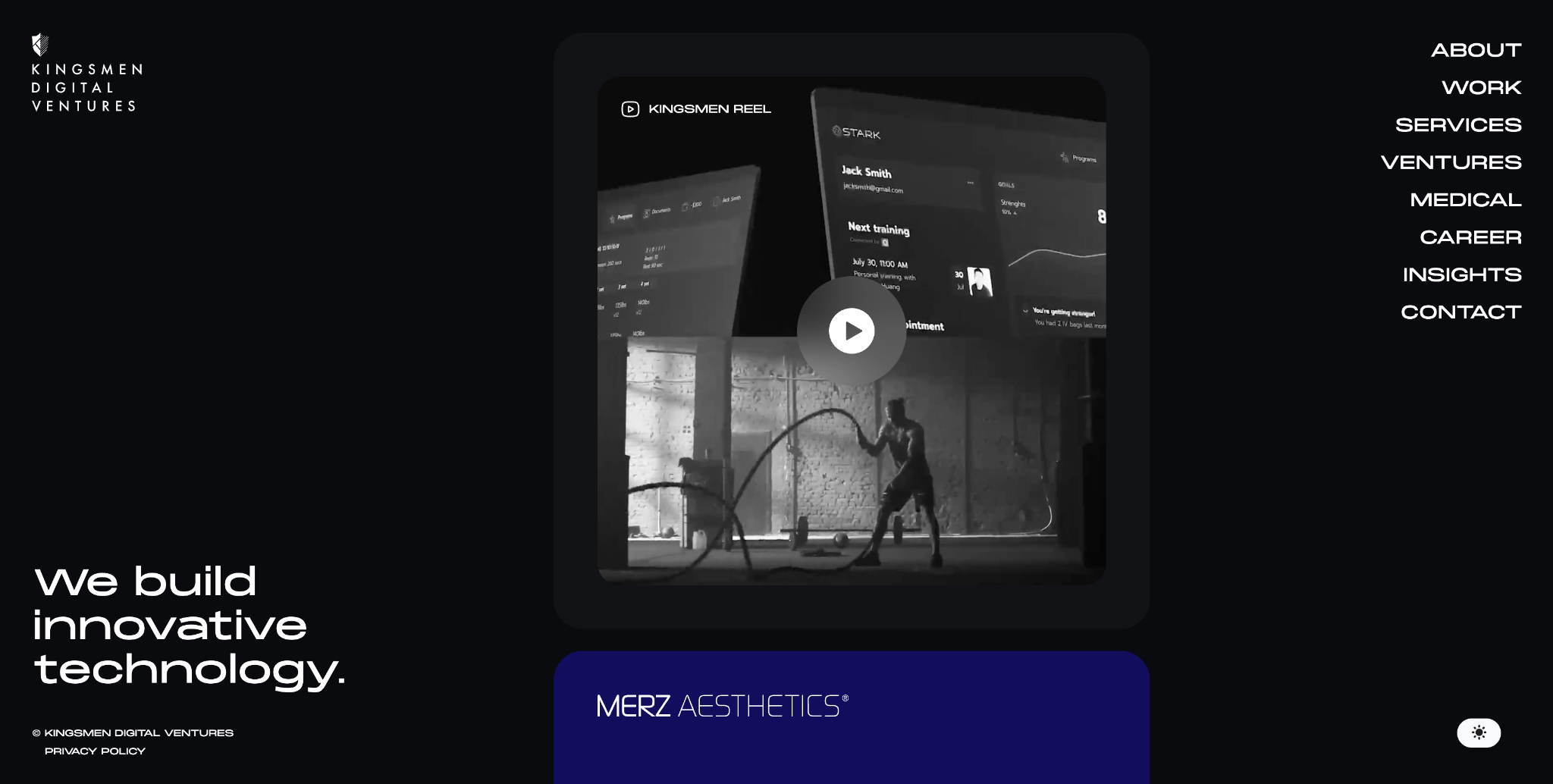
8. Kingsmen Digital Ventures: Best for On-Time Delivery on Custom Fintech Mobile Projects
Kingsmen Digital Ventures is a custom software development shop that builds its positioning around a 100% on-time delivery record for custom fintech mobile solutions. Worth being skeptical of any perfect record, and worth asking how scope changes are handled to protect it. That said, if your business model has a hard external date attached (a funding milestone, a bank partner’s go-live, a regulator’s deadline), a vendor that has organized itself around the calendar is the right kind of vendor to interview. Best for founders where a slipped launch costs more than a higher rate.
9. Simpalm: Best for Payment, Banking, and Accounting Apps Under One Roof
Simpalm has delivered payment apps, mobile banking apps, invoicing apps, and accounting apps, which gives it working fluency across payments, lending, banking, and fraud detection rather than depth in only one lane. That breadth is useful when the product roadmap crosses categories, say a wallet that adds lending in year two, and it makes Simpalm a reasonable software development company for financial solutions that mix consumer mobile apps with back-office tooling. Best for founders whose finance app spans more than one financial function and who don’t want to coordinate multiple specialist vendors.
10. AIS Technolabs: Best for Comprehensive Fintech Feature Coverage
AIS Technolabs is an app development company that develops secure financial applications and fintech apps with payment integration, wallet functionality, transaction management, and regulatory compliance delivered inside one scope. The firm’s model is breadth of features under a single contract, which suits businesses that want a customized banking application without assembling a separate vendor for each feature area. Best for mid-size financial organizations and financial institutions that value a single accountable party for custom software solutions over best-of-breed specialists.
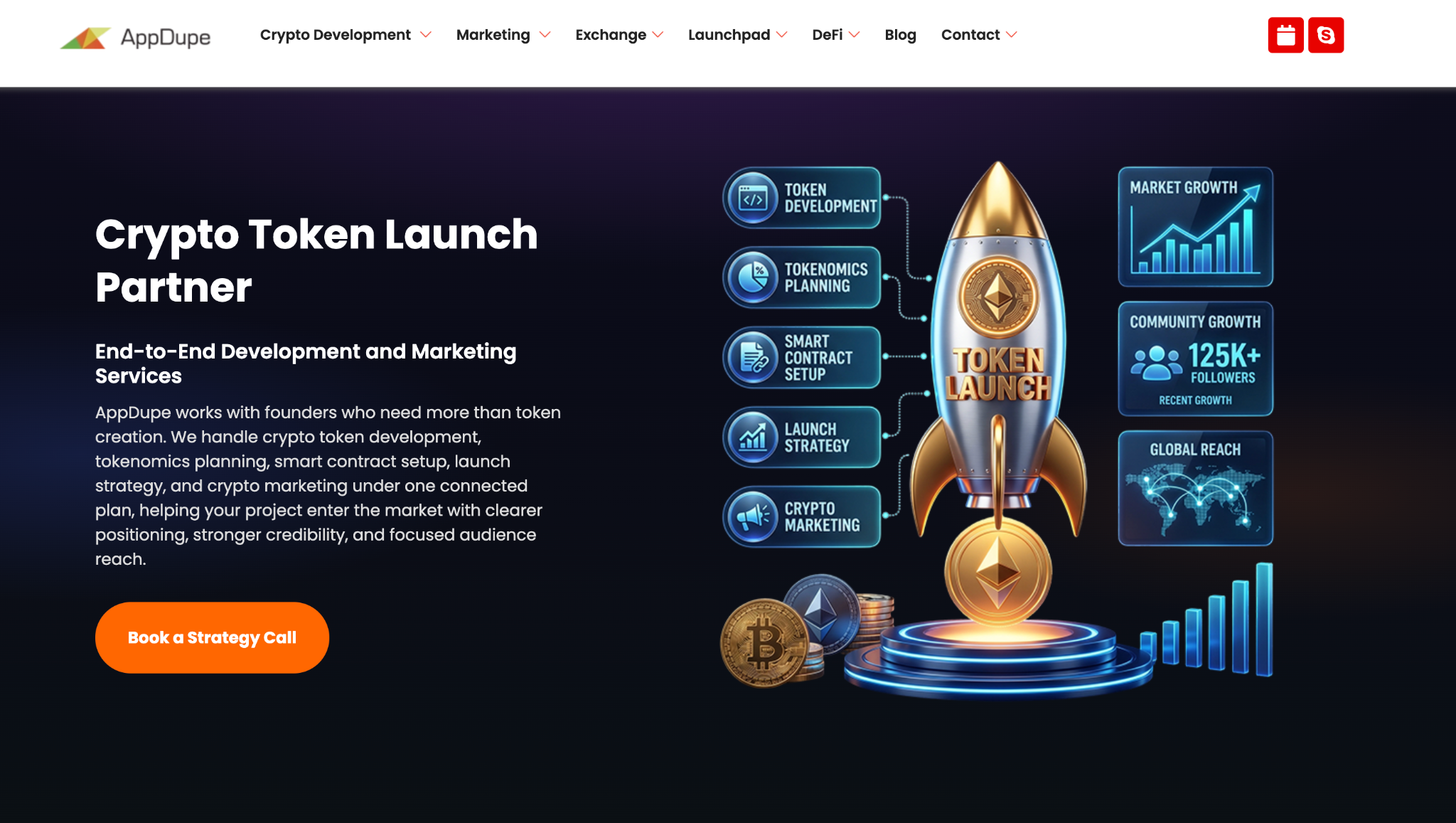
11. AppDupe: Best for Fast, Cost-Effective Fintech MVP Launch
AppDupe is a fintech app development company delivering customizable finance app development, covering digital wallets, payment apps, peer-to-peer transfers, cryptocurrency platforms, and investment apps, and it is built around reducing time to market while holding essential security standards. Its fintech software developers work from pre-built modules, which is how the firm keeps its fintech application development services priced for seed-stage budgets. The tradeoff is that pre-built modules trade some architectural freedom for speed. Best for fintech startups that need a functional product in front of users or investors quickly and plan to have a stronger development team rebuild the parts that prove out.
How to Choose the Right Fintech App Development Partner
The right partner depends on your regulatory scope and platform strategy at least as much as on price, and most founders check price first. Here is what to check before you sign with any fintech development company.
Check Their Track Record as an App Development Company Specifically, Not Just Web
An app development company that is strong on web banking platforms and desktop fintech apps doesn’t automatically transfer to native or cross-platform mobile work. The failure modes are different (background token refresh, biometric prompts, app store review policy for financial apps), and so is the release cycle. Ask for named, still-live fintech apps in the App Store and Google Play. Web-based financial dashboards relabeled as “mobile apps” don’t count, and neither do fintech apps that shipped once and were pulled, and a vendor that can’t produce a live listing is telling you something.
Ask About Data Security Practices for Financial Data Specifically
Data security for fintech apps runs well past a standard app’s baseline, and any development team you hire should be able to explain why without notes. Encryption at rest and in transit, secure key storage in Secure Enclave or Android Keystore, certificate pinning, and biometric authentication all need to be explicit in the proposal. So does the fraud model. The FBI’s Internet Crime Complaint Center reported $16.6 billion in cybercrime losses for 2024, up 33% year over year, with an average loss per complaint of $19,372. That number is almost certainly an undercount, since it only includes people who filed a report. Even so, the implication for anyone handling sensitive financial data is plain: attackers are winning more per attempt, and your app is one of the attempts.
Confirm Regulatory Compliance Experience (PCI DSS, KYC/AML, PSD2)
Regulatory compliance requirements vary by product type. Payments need PCI DSS scope reduction. Lending needs KYC/AML workflows and a paper trail a regulator will accept. EU-facing digital banking apps need PSD2 strong customer authentication. Ask for a named project where the vendor delivered against the specific framework your product needs. “We handle compliance” is a sentence, and you are looking for evidence.
Confirm Their Development Approach Fits Native vs. Cross-Platform Needs
A vendor that defaults to the same development approach on every project, always native or always cross-platform, is showing you a bias rather than a recommendation. Ask which they’d choose for your feature set and why. If the answer doesn’t reference your actual features (Do you need NFC tap-to-pay? Hardware-backed keys? Widgets on the lock screen?), they haven’t evaluated your requirements. They’ve evaluated their own bench. Mobile apps for finance are unforgiving of that shortcut, and so is the fintech app development cost curve once the wrong framework is locked in.
One Last Thing Before You Sign
We’ll push back on the instinct most founders bring to this decision, which is to hire the cheapest capable vendor and upgrade later. Financial apps are unusually bad candidates for that plan. Custom software development in the financial industry accumulates compliance debt the same way a building accumulates structural debt, silently, until an inspector or an attacker finds it. The cheaper generalist build — the one from a fine app development company with the wrong specialty — usually costs more by month 18, once you count the security audit, the KYC re-integration, and the six weeks a compliance rewrite adds to your next release.
Cloud computing has made the infrastructure part of this cheap, and open banking APIs have made the plumbing standard. The expertise part hasn’t gotten cheaper at all, which is why the fintech app development companies that keep winning the serious projects are the ones whose engineers have already argued with a regulator.
Pick the partner whose second project with you will be easier than the first.
FAQs
How Much Does It Cost to Build a Fintech App?
A focused MVP from a custom software development partner typically runs $20,000–$100,000, while a full-featured mobile banking app with biometric security, multi-currency support, and regulatory compliance work runs $80,000–$400,000 or more. Fintech app development cost is driven by compliance scope and third-party integrations more than by screen count.
How Long Does It Take to Build Financial Apps?
A focused fintech MVP usually takes 3–5 months. A full, compliance-ready banking or lending app often runs 6–12 months, with regulatory review and third-party integrations (KYC providers, payment gateways, core banking APIs) as the main drivers of timeline.
Should I Choose Native or Cross-Platform for a Fintech App?
Cross-platform (Flutter or React Native) suits most financial apps in 2026 and cuts both cost and timeline meaningfully. Choose native (Swift or Kotlin) when the app depends on platform-exclusive security hardware such as Secure Enclave, or on hardware-backed biometric authentication that the cross-platform bridge can’t reach cleanly.
What Are the Top 10 Fintech Companies for App Development?
The strongest picks from our ranking are LITSLINK, FINANTEQ, Nimble AppGenie, Somnio Software, Pagepro, Empat, Camber, Kingsmen Digital Ventures, Simpalm, and AIS Technolabs, with AppDupe as the eleventh option for fast MVP launches. Each is profiled above with its specific strength.
How Do I Choose the Right Fintech App Development Company?
Check three things first: named, still-live fintech apps in the App Store or Google Play, specific compliance experience matching your product type (PCI DSS, KYC/AML, PSD2), and whether the vendor recommends native or cross-platform based on your actual features rather than a house default. The best fintech app development companies pass all three without hesitation, whether you hire them for full fintech app development services or a single mobile app development sprint, and the technical expertise to build financial apps is visible in how they answer as much as in what they’ve shipped.
What’s the Difference Between a Fintech App and a Regular Mobile App?
A fintech app handles sensitive financial data and money movement, which brings regulatory requirements (PCI DSS, KYC/AML), security expectations (encryption, biometric authentication, fraud detection), and compliance auditing that a typical consumer or business app never faces. The development process looks similar in outline and is far stricter in execution, which is the whole reason fintech app development services exist as a separate category from general software development services.