







React Native remains one of the most widely used frameworks for creating mobile applications in 2025. It is a popular option for developers because it allows them to create cross-platform apps for both iOS and Android using a single codebase. Apps built with React Native are renowned for their smooth user experience, speed, and performance, which makes them a desirable choice for companies trying to expand their customer base.
React Native provides a number of advantages, regardless of whether you’re a startup trying to develop your first mobile application or an established business hoping to improve your mobile presence. In this article, we’ll look at the 9 most popular apps built with React Native that demonstrate how this framework powers creative and approachable applications in a range of sectors.
Why Choose React Native for Mobile App Development?
Let’s quickly recap why React Native is such a popular option for developing mobile apps before getting into the examples:
- Cross-Platform Development: Writing once and deploying on both the iOS and Android platforms is one of React Native’s primary features, which drastically cuts down on development time and expenses.
- Fast Development Cycle: The hot-reloading feature of React Native speeds up development by enabling developers to see changes instantly.
- Large Community and Ecosystem: React Native provides numerous tools to speed up development, including a sizable developer community and an extensive library.
- Native-Like Performance: Your cross-platform app will feel like a native one thanks to React Native’s near-native performance.
After discussing the advantages of this technology, let’s take a look at some of the most popular apps built with React Native in 2025.
IOS Apps Built With React Native
1. Auxi – The Productivity Booster

Auxi is a productivity app created by LITSLINK that assists users in efficiently managing their time and tasks. LITSLINK developed a cross-platform application that easily connects with a variety of productivity tools by utilising React Native. The app is a great option for users who want to increase their productivity because of its elegant design, seamless operation, and real-time synchronisation across all devices.
Features:
- Task and project management
- Integration with Google Calendar and Trello
- Real-time sync across devices
- Push notifications
Learn more about Auxi in our case study.
2. Livestock Management App

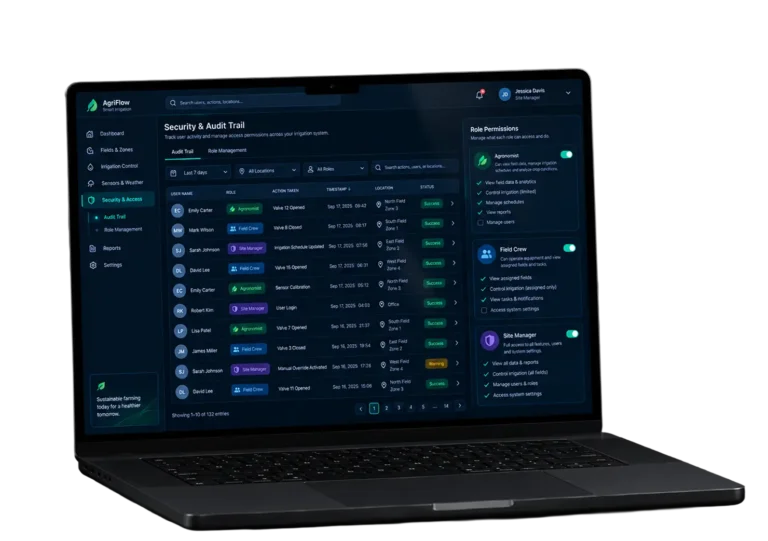
One excellent illustration of how React Native can be applied in specialised industries is the Livestock Management App created by LITSLINK. Farmers and ranchers can track the health of their animals, manage their livestock, and increase operational efficiency with the aid of this app. With an intuitive interface, the app provides features like inventory management, health monitoring, and animal tracking.
Features:
- Animal health tracking and reporting
- GPS integration for real-time location tracking
- Inventory management for feed and supplies
- Multi-user support for farm workers
Read more about the Livestock Management App in our case study.
3. Facebook – The Social Media Giant

Parts of Facebook’s mobile app were developed using React Native, one of the most widely used social media sites worldwide. Features like Facebook Marketplace and Facebook Ads Manager are powered by React Native, providing millions of users worldwide with a responsive and seamless experience.
Features:
- Smart navigation between various app sections
- Real-time updates for social feeds and notifications
- Integrated advertising management tools
Facebook, one of the most popular apps built with React Native, has demonstrated the framework’s capacity to manage complex, high-traffic applications.
4. Instagram – Visual Storytelling at Scale

React Native was used by Instagram, a popular photo-sharing app, to expedite its development process, particularly for its Stories feature and push notifications. Instagram was able to maintain high performance while cutting down on the time needed for updates and improvements by utilising React Native.
Features:
- Photo and video sharing
- Stories and live streaming
- Integrated messaging and interactions
React Native’s incorporation into Instagram is a fantastic illustration of how the framework can handle even the most intricate and interactive features.
5. Uber Eats – On-Demand Food Delivery

React Native has been incorporated into Uber Eats’ mobile app to give customers a seamless, easy way to place food orders. Uber Eats was able to create a quick and scalable app that lets users browse restaurants, place orders, and track deliveries in real time by utilising React Native.
Features:
- Real-time order tracking
- Multiple payment methods integration
- Restaurant and cuisine browsing
Uber Eats has been able to improve customer satisfaction and expedite development on both iOS and Android platforms by utilising React Native.
6. Bloomberg – Financial Insights on the Go

React Native was used in the development of Bloomberg’s mobile app, which offers real-time news and financial data, to guarantee a responsive and effective user experience. The app’s user-friendly interface provides real-time stock data, market analysis, and breaking news.
Features:
- Real-time stock market data and alerts
- Customizable financial dashboards
- In-depth financial news and analysis
By using React Native, Bloomberg has been able to maintain platform consistency for its mobile app while maintaining real-time updates and flawless operation. Bloomberg’s use of React Native guarantees that its app is among the most popular apps built with React Native, providing a smooth experience on both the iOS and Android platforms. By maintaining a single codebase, the framework helps Bloomberg save money and time on development while improving performance.
One of the reasons Bloomberg continues to be one of the big apps built with React Native, offering millions of users real-time stock market and breaking news updates, is its consistency in cross-platform development.
7. Wix – Website Creation Platform

In order to enable users to manage their websites from their smartphones, Wix, a well-known website builder, developed a mobile app using React Native. While ensuring a seamless user experience, the app enables users to edit content, monitor analytics, and interact with their website while on the go.
Features:
- Website editing and management tools
- Mobile-friendly website analytics
- Push notifications for site updates
By using React Native, Wix has simplified its development process and enabled the company to provide a cross-platform experience without compromising on performance.
8. Tesla – Smart Car Control

React Native was used in the development of Tesla’s mobile app, which is used to monitor and control Tesla vehicles, to guarantee a consistent user experience across various platforms. Through the app, users can manage their cars’ climate control, charging, and location tracking, among other features.
Features:
- Vehicle control (climate, charging, etc.)
- Real-time location tracking
- Alerts and notifications for maintenance and issues
Tesla is able to give its users a seamless, consistent experience on both iOS and Android devices thanks to its use of React Native.
9. Walmart – E-Commerce at Scale

To improve the shopping experience, Walmart, one of the biggest retailers in the world, integrated React Native into its mobile app. For millions of users, Walmart’s app offers a smooth and responsive platform with features like barcode scanning, personalised recommendations, and real-time order tracking.
Features:
- Barcode scanning for price checking
- Personalized product recommendations
- Real-time order tracking and updates
Walmart has streamlined its development process and provided a great shopping experience on both iOS apps built with React Native and Android platforms. It can provide its customers with a superior, easy-to-use shopping experience because it has a single codebase for both platforms, which guarantees consistency, quicker updates, and cost savings. It is one of the top apps built with the React Native framework.
How React Native Revolutionizes App Development in 2025
The aforementioned examples demonstrate how React Native is still transforming the creation of mobile apps in 2025. React Native has emerged as a top option for businesses looking to improve their mobile presence because of its cross-platform compatibility, quick development cycles, and capacity to create high-performance apps.
With React Native, companies can:
- Reduce Development Costs: Use a single codebase to create apps for iOS and Android, saving time and money compared to developing them separately.
- Improve Time-to-Market: Accelerate the development process to stay ahead of the competition and launch your app more quickly.
- Enhance User Experience: Ensure that users on both platforms have a seamless, responsive experience that feels natural.
In 2025, if you’re thinking about developing a mobile application, React Native is a strong framework that can help you build your concept quickly and successfully.
Learn React Native App pricing in our article.
Conclusion: Let’s Build Your React Native App Today
One of the greatest options for creating excellent cross-platform apps in 2025 is React Native. This technology provides the tools and capabilities to produce a high-quality product that works well on a variety of devices, whether you’re looking to develop an Internet of Things (IoT), productivity, or e-commerce app. The market is already dominated by popular apps built with React Native, which guarantees high performance, scalability, and seamless integration.
Get in touch with LITSLINK right now to find out how our skilled group of React Native developers can assist you in developing a unique mobile application that meets your requirements. Together, let’s create a cutting-edge, high-performing app that fulfils your company’s objectives and benefits your users!