






Key Takeaways
- 10 SaaS development companies based on verified reviews from Clutch and G2, and published case studies.
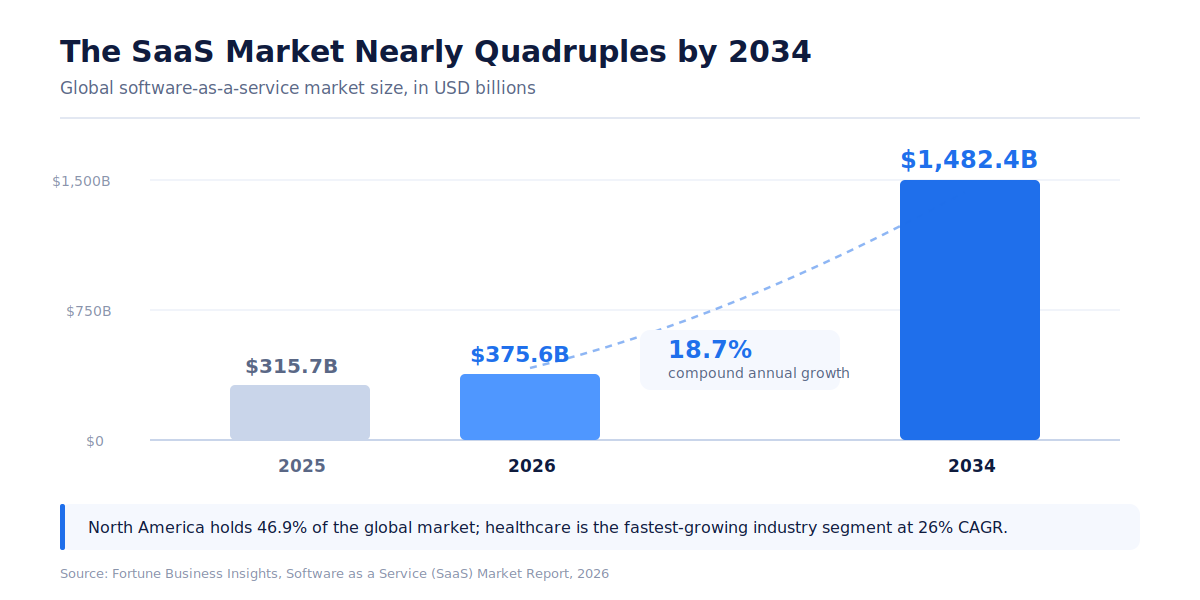
- The global SaaS market is on pace to hit $375.57 billion in 2026, growing toward $1.48 trillion by 2034 (Fortune Business Insights).
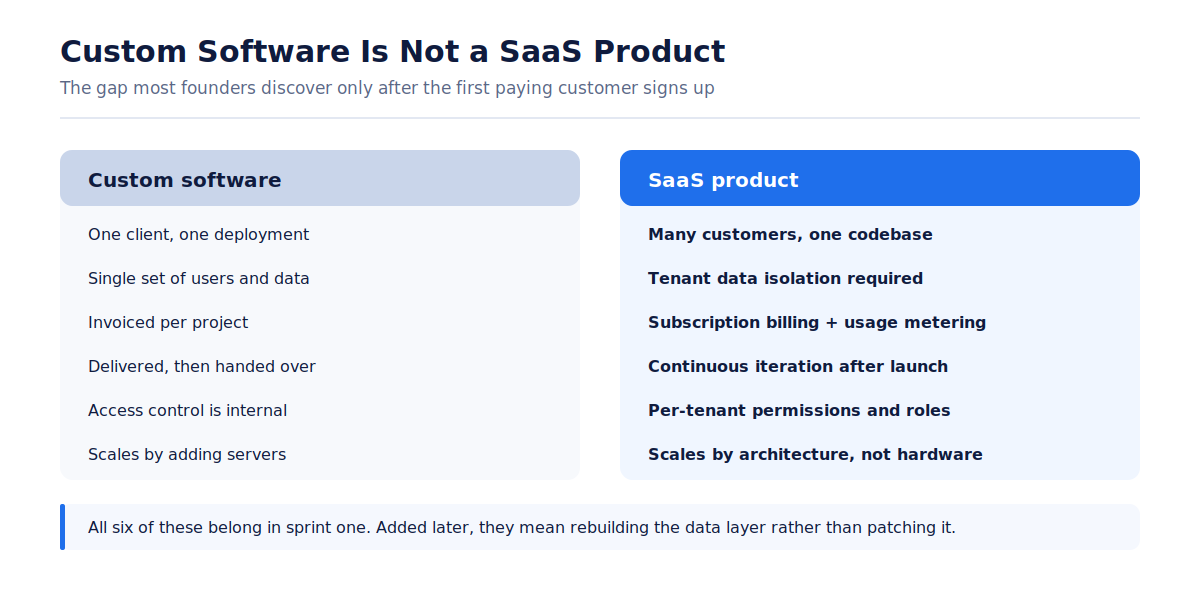
- Most SaaS project failures share one root cause. A team ships working custom software, then discovers multi-tenancy was never designed in. Retrofitting it means rebuilding the data layer.
- Only 31% of software projects are delivered on time, on budget, and with full scope (Standish Group CHAOS Report, 2020). Half land in the troubled category instead. And this statistic gets worse if multitenancy and the billing system are the last things on the list.
- LITSLINK combines development with SaaS consulting and launches revenue-generating products.
Source: Fortune Business Insights
Fortune Business Insights projects it hitting $375.57 billion in 2026, rocketing toward $1.48 trillion by 2034. That is an 18.7% CAGR. It is easily one of the most aggressive growth curves in enterprise tech right now.
General engineering experience does not equal SaaS expertise. A dev shop can have decades of general experience and still completely botch a SaaS launch. Why? Because you cannot bolt on core features later. Things like multi-tenancy, complex billing pipelines, and strict data isolation have to be hardwired into the architecture from sprint zero. Otherwise, you are just building legacy code from day one. Add them only once the first paying customer signs up, and the product will have to be rewritten.
The SaaS development market ranges from small boutique studios to firms with over a decade of experience. Not every “leading” agency on paper actually knows how to build and scale a complex SaaS product in practice. For founders and product leads, the right partner depends entirely on your current stage.
You won’t find a sprawling methodology section here. Firms were selected on verified Clutch and G2 reviews, published SaaS case studies, and current market position, not self-reported claims.
Quick Comparison: Top SaaS Development Companies at a Glance
Scan the table first to see how each company’s specialty lines up with what you need, then read the fuller profile below before you shortlist anyone.
| Rank | Company | Main pros | Clutch Rating |
|---|---|---|---|
| 1 | LITSLINK | Custom SaaS application development and SaaS consulting | 4.8/5 (78 reviews) |
| 2 | RaftLabs | Multi-tenant architecture built in from day one | 4.9/5 |
| 3 | Netguru | Design-led SaaS MVPs | 4.8/5 (74 reviews) |
| 4 | Railsware | B2B SaaS specialist | 4.9/5 |
| 5 | Brocoders | AI-driven SaaS MVP delivery | 5.0/5 (38 reviews) |
| 6 | eSparkBiz | Cloud-native SaaS for global clients | 4.9/5 |
| 7 | CONTUS Tech | High-volume SaaS delivery at scale | 4.9/5 |
| 8 | Dockyard | Elixir/Phoenix-based real-time SaaS | Not independently verified |
| 9 | Zco Corporation | Long-running, full-cycle SaaS builds | Not independently verified |
| 10 | Bluelight | Scaling a SaaS product past MVP | Not independently verified |
LITSLINK: Best for Custom SaaS Application Development and SaaS Consulting
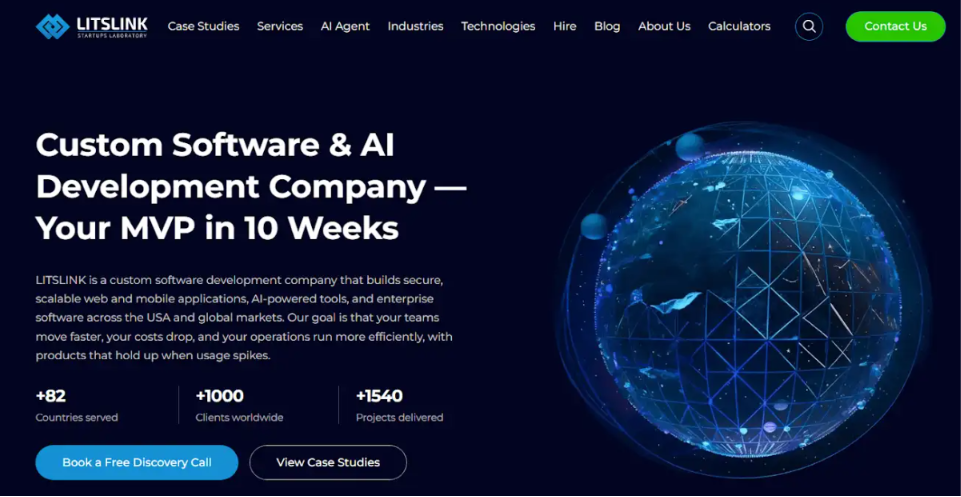
LITSLINK develops custom SaaS applications and provides SaaS consulting for founders who seek a reliable partner at every stage of product development. The team’s expertise covers multi-tenant architecture, pay-as-you-go billing integration, data migration, and secure cloud-based solutions. Cloud infrastructure and cloud architecture decisions are planned during the design phase. Reliable security is built into the product from the very first sprint.
Case study: the company built Willo, a web platform that brings recruiters and candidates together in a single ecosystem. Through an optimized process, this product helps companies find the right talent 40% faster.
Many firms boast about developing custom software. Far fewer have a live SaaS product in their portfolio that solves problems for paying users and comes with full post-launch support. That difference makes it clear the product isn’t simply handed over to the client on a “build-and-forget” basis.
The numbers behind that track record:
- 1,540+ completed projects;
- 1,000+ clients across 82 countries;
- 300+ engineers on the team;
- A 4.8/5 rating on Clutch, based on 78 verified reviews.
LITSLINK pairs US-based project management with senior European engineering talent. It keeps time zone overlap manageable for founders without the 2 a.m. calls. Internal benchmarks show development speed running 30-50% faster than typical for comparable SaaS builds. For founders moving from an idea to a working SaaS product, LITSLINK’s SaaS Development Services page covers the specifics. The SaaS Product Development and Launch Checklist is worth reading before the first sprint planning call.
Contact LITSLINK for a free consultation to discuss your specific SaaS build.
RaftLabs: Best for Multi-Tenant Architecture From Day One
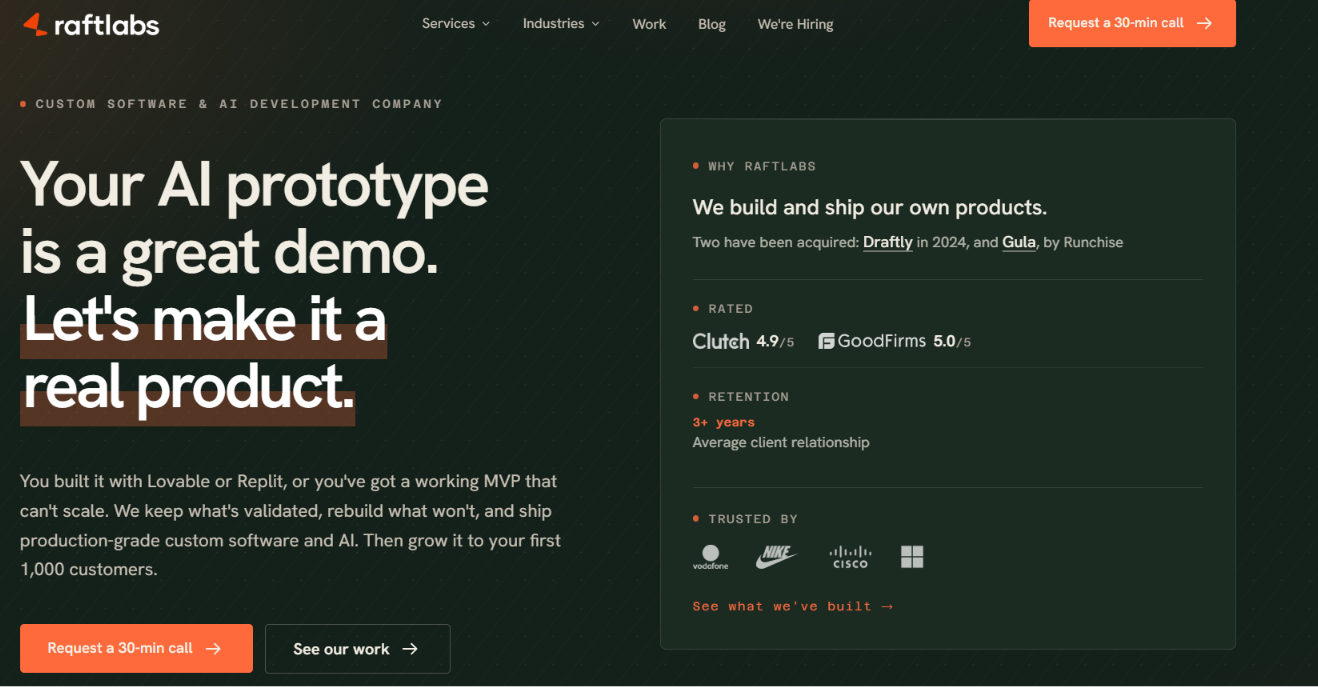
RaftLabs has released over 30 SaaS products and maintains a 4.9/5 rating on Clutch. They adhere to strict architectural discipline: multi-tenant architecture, billing, and data isolation get planned into sprint one. The company operates on a fixed-price model. This requires defining the scope of work and architectural decisions right from the first meetings. As a result, they don’t receive change orders after a month and a half of work. Their development process targets truly scalable SaaS solutions from the very first release. Everything runs on cloud-native infrastructure from day one.
This is the ideal option for founders burned before. Some teams treat a SaaS product like ordinary custom software, and the bill for that arrives later.
Netguru: Best for Design-Led SaaS MVPs
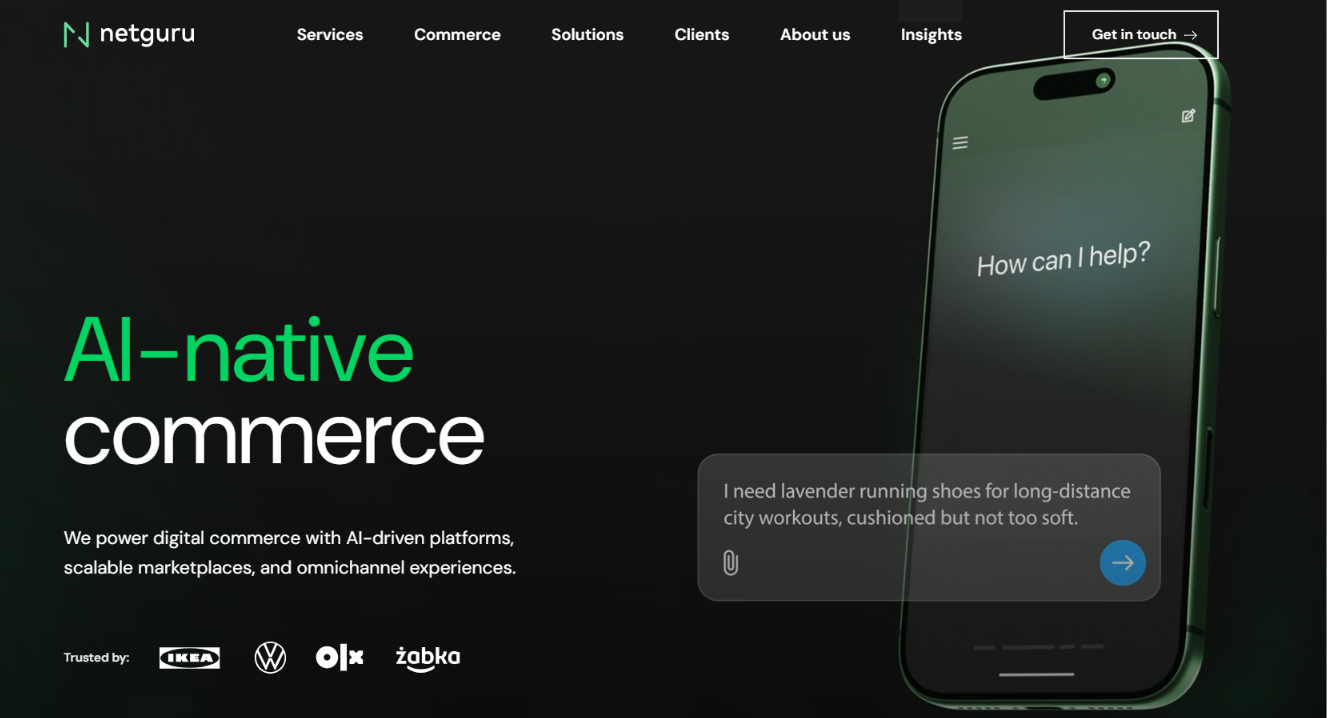
Netguru holds a 4.8/5 rating across 74 Clutch reviews, with a reputation built on pairing strong UI/UX design with engineering on early-stage MVPs. Their app development teams work UI UX design-first. That shows up in onboarding flow and first-session retention more than in raw feature count. It’s a deliberate tradeoff. Founders who need to close a funding round or land early enterprise pilots are selling on the strength of a demo. Netguru’s portfolio spans fintech, healthtech, and education. Within those spaces, they’ve carved out a specific niche among venture-backed startups. Founders come to them for a very specific combination: investor-ready polish paired with a fully functioning multi-tenant architecture. Best for founders who need the product to look and feel investor-ready from the first release.
Railsware: Best for B2B SaaS Specifically
Railsware focuses specifically on B2B SaaS platforms and commands premium rates, typically $100-149/hr, backed by a 4.9/5 Clutch rating. The price hints that the team has extensive experience with enterprise clients. This includes SSO integration, preparing for SOC 2 certification, completing security-related bid forms, and negotiating multi-year contracts. General-purpose agencies typically meet these tasks for the first time on your project. They learn to handle them at your expense.
For a B2B SaaS founder, the difference shows up during the sales cycle. A security questionnaire takes two days to answer instead of two weeks. The architecture already supports the answer, so nobody has to build a workaround first. Best for B2B founders who want a partner already fluent in procurement cycles, security questionnaires, and SSO. A generalist shop would still be learning those on the job.
Brocoders: Best for AI-Driven SaaS MVP Delivery
The Tallinn-based studio has one of the highest ratings in this niche: 5.0/5 based on 38 reviews on Clutch. Artificial intelligence shapes the team’s approach to designing SaaS architecture right from the first sprint.
Retrofitting AI into an already-released SaaS product creates a challenge similar to multitenancy. Data routing, the cost of processing requests to models, and latency limits all need planning from the beginning. Patching them in after a demo goes well is exactly what Brocoders’ from-day-one approach avoids. They have slightly fewer reviews than the major players on this list. But those 38 reviews come from clients building AI-based SaaS specifically, and all of them rate 5.0/5. That is its own kind of signal. This is the best choice for AI-native SaaS startups. If you need to prove real AI functionality as early as the second meeting with a client, that focus matters.
eSparkBiz: Best for Cloud-Native SaaS Across Global Markets
Founded in 2010, eSparkBiz delivers SaaS development services to clients in 20+ countries. The team works primarily with React, Node.js and AWS. They also bring Google Cloud and broader cloud computing expertise to the table, depending on the client’s existing stack.
In 2026, the company was listed in several Clutch Leader Matrix categories. It’s custom software development, cloud consulting, and staff augmentation. This multidisciplinary approach is ideal for founders whose SaaS product requires expertise across multiple disciplines. Say you need a cloud migration this quarter and a Node.js backend rewrite next quarter. You won’t have to find a new vendor each time. It’s also a good fit for developers seeking a partner with proven experience in international development.
CONTUS Tech: Best for High-Volume SaaS Delivery at Scale
Take CONTUS Tech out of Chennai. They have been at it since 2008 and currently run a massive operation. We are talking 600+ employees, with a dedicated bench of 300+ developers just for SaaS. 500 products shipped. A 4.9 rating on Clutch. They cover the whole spectrum, from multi-tenant platforms to heavy cloud migrations across fintech, healthcare, and logistics.
Tech-wise? Completely cloud-agnostic. AWS, Azure, GCP—they adapt to whatever infrastructure you already run. This agency is built for founders who need to hit the gas. If your product suddenly takes off past its first cohort and you need to ramp up a team overnight without rewriting the whole architecture mid-flight, they have the bench for it.
Dockyard: Best for Elixir/Phoenix-Based Real-Time SaaS
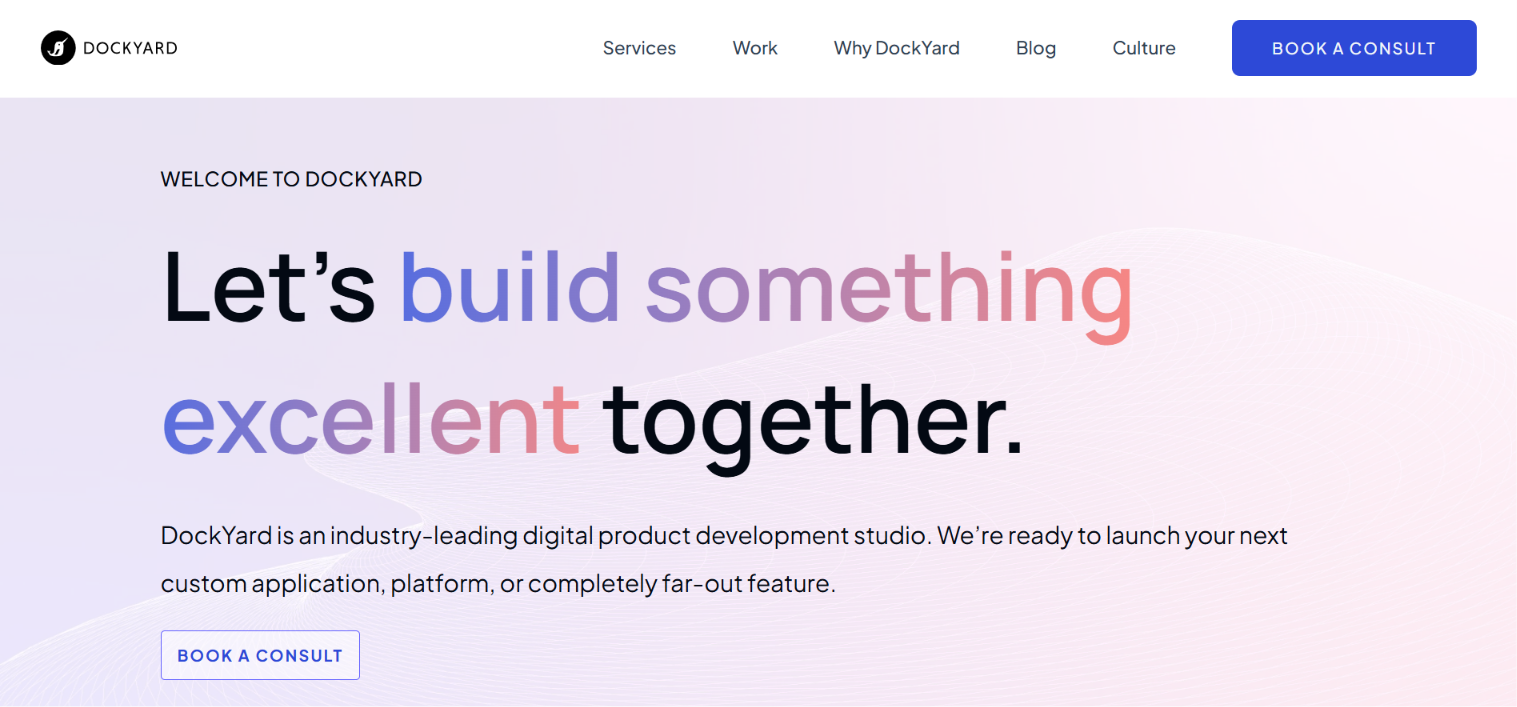
They are fiercely dedicated to cloud-native builds on the Elixir/Phoenix stack. Forget mainstream framework popularity for a second. If your SaaS actually relies on high concurrency, real-time updates, and extreme fault tolerance, this stack is a cheat code. The killer feature here is Phoenix’s LiveView. It basically lets your team ship real-time features without wiring up the heavy, detached frontend framework that most other stacks require. If real-time data is the core of your product, these are the guys you call.
Zco Corporation: Best for Long-Running, Full-Cycle SaaS Builds
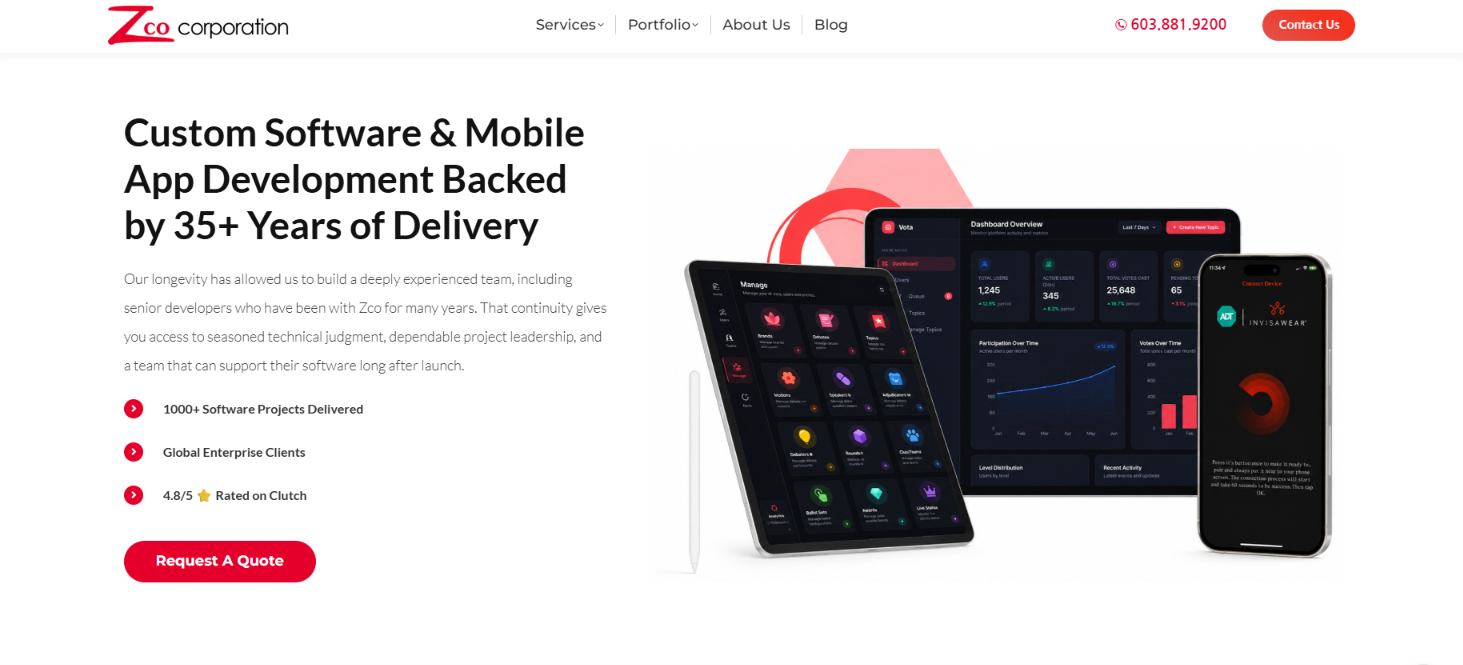
Zco Corporation has been in continuous operation since 1989, 37 years, from its base in Nashua, New Hampshire. The team runs 250+ people across software, mobile app, and enterprise projects, including SaaS migration work for clients moving off legacy platforms. Zco’s client list over that history includes Volkswagen, Microsoft, and Verizon. Enterprise procurement and compliance processes trip up younger studios. This team has worked inside them for decades. In an industry where many agencies are under five years old, that longevity is itself a data point. Zco has weathered mobile-first, cloud migration, and now AI. It never folded or pivoted away from software delivery. Best for founders who value a long operating track record over a newer, trend-forward studio still building its first decade of case studies.
Bluelight: Best for Scaling a SaaS Product Past MVP
Bluelight, founded in 2019, picks up where most MVP-focused shops leave off. It turns an already-validated SaaS product into architecture that handles real growth, specifically for mid-market clients. Rearchitecting something that’s already working but starting to strain under load is a different skill than building the first version. Most agencies on this list are set up for the initial launch, not for that. Best for founders who need to scale what they’ve already built without tearing it down and starting over.
How to Choose the Right SaaS Development Partner
The right partner depends on fit. Not every software development company that claims it can build custom saas solutions has shipped one. Some have only ever delivered one-off custom software dressed up as a saas model for the pitch deck. Genuinely scalable solutions and innovative software solutions come from teams that have done this before. Some agencies genuinely operate multiple saas platforms for different clients at once. Others have only ever shipped one.
Ask to See Live SaaS Products, Not Just Custom Projects
Screenshots are easy to fake convincingly. A live URL is not. Push for links to SaaS products the company actually built that are running today with real paying users on them. If a team can’t hand you at least one, treat that as your answer.
Confirm Custom Software Development Depth, Not Just Templates
There’s a difference between a team writing custom code for your specific product and a team wiring together a boilerplate template. Neither approach is wrong on its own — the problem is paying custom-development rates for template-assembly work. Ask directly what’s being built from scratch versus reused.
Understand Their Position in the SaaS Market
Every SaaS agency has a segment where its work is genuinely strong, and segments where it’s merely capable. Get specific about which one you’re in: B2B or B2C, enterprise buyers or self-serve startups, complex SaaS platforms with a dozen modules or a lean single-feature tool. High-quality SaaS solutions in one segment don’t automatically transfer to another. A portfolio full of enterprise fintech work doesn’t guarantee the same result for a scrappy consumer app.
Check If They’re a Development Agency or Primarily Staff Augmentation
Two very different things hide under “SaaS development company.” One is a full-delivery agency that owns the outcome end to end. Neither model is automatically better. But comparing quotes across the two is comparing apples to oranges. Find out which one you’re actually pricing before the numbers go on a spreadsheet. Either way, ask what their agile development methodology looks like in a typical sprint. Who runs standups, who owns the backlog, how demos get scheduled.
Ask About Software as a Service Architecture Experience Specifically
A generic web app never has to think about multi-tenant SaaS solutions, subscription billing, or usage metering. SaaS does, from day one. Push the team to walk through shared-database, separate-schema, and separate-database-per-tenant approaches, and why they’d choose one over another for your specific product. Push further into cloud computing specifics. Which cloud service providers do they default to? How do they approach cloud deployment? Where does API development fit into their build sequence?
Ask directly how robust security gets built into cloud-based software solutions from the first sprint. Encryption at rest, access controls, audit logging these belong in the architecture, not in a scramble after a customer asks about compliance. A team with real multi-tenant architecture experience will also have opinions on workflow automation and data analytics. Most SaaS products eventually need both. That includes companies on this very list, so ask them the same questions you’d ask anyone else.
Ask What Ongoing Support Looks Like After Launch
Insist that the contractor explain what happens after the initial release. Who fixes bugs? How do new feature requests get prioritized? How does the infrastructure scale as users grow, and what does each of these cost? The vaguer the answer, the higher the likelihood that technical support will turn into a very expensive surprise in just six months.
FAQs
How Much Does It Cost to Build a SaaS Product?
A focused MVP with core subscription and multi-tenant functionality typically runs $10,000-$25,000. A production-ready build with full architecture and billing infrastructure runs $50,000-$150,000+. Rates also vary by region — $25-$60/hour in India, $50-$100/hour in Eastern Europe, and $100-$200+/hour in the US or Western Europe. A $60/hour team with strong SaaS experience often finishes faster than a $150/hour generalist relearning multi-tenancy from scratch.
How Do I Choose the Right SaaS Development Company?
Match the company’s proven specialty to your actual stage — MVP, growth, or enterprise scale. Confirm they have live SaaS products in their portfolio, and ask to see Saas projects similar in scope to yours. See the “How to Choose the Right SaaS Development Partner” section above for the full checklist.
What’s the Difference Between a SaaS Development Company and a Software Development Company?
Software development services generally cover custom applications built for a single client’s internal use. A Saas product development company instead builds multi-tenant products designed to serve many customers from one codebase. Subscription billing, usage metering, and data isolation get built in from the start.
How Long Does It Take to Build a SaaS MVP?
Most SaaS MVPs take 12-16 weeks from kickoff to a testable product, depending on feature scope and integration complexity. Fixed-price agencies specializing in saas application development services can sometimes compress this to 10-14 weeks for a focused feature set.
Should I Hire a SaaS Development Agency or Build an In-House Team?
A specialized SaaS development agency makes sense when you need to launch fast without a 3-6 month hiring cycle. It also fits when the build needs SaaS-specific architecture experience your current team doesn’t have. An in-house team makes more sense once the product is stable, when ongoing feature velocity becomes the priority.